August 19, 2026
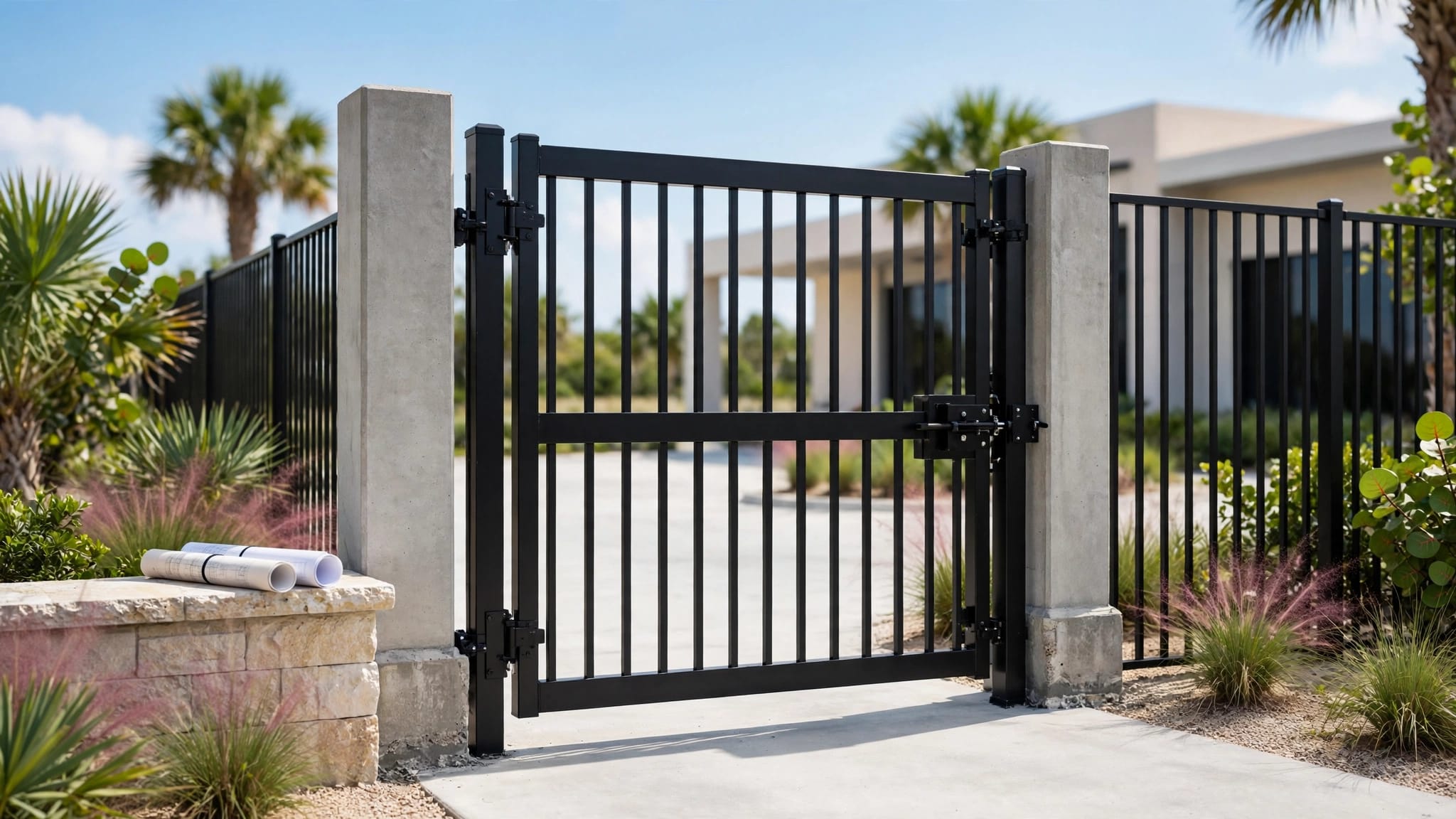
A gate can look solid and still sag, bind, or pull loose within months if the hinges are undersized. The right heavy duty gate hinges must support the complete gate assembly while handling salt air, humidity, wind, repeated movement, and the strength of the hinge post.
For property owners and contractors in Cape Coral, Fort Myers, Estero, and Bonita Springs, hinge selection starts with the entire gate system. Weight matters, but width, wind exposure, leverage, mounting points, and expected cycles often determine whether the installation keeps working. Start with the load, then match the hinge, post, fasteners, and footing.
Choosing Heavy Duty Gate Hinges for the Complete Load
Gate weight is only the starting point
Calculate the weight of every part that moves with the gate. Include the frame, pickets or privacy infill, latch, lock, decorative pieces, diagonal bracing, wheels, and automation hardware. A steel-framed gate with aluminum infill may weigh more than it appears, while a solid privacy gate can add significant wind resistance.
Two hinges don't automatically divide the gate weight evenly. The upper hinge, lower hinge, fasteners, and post all experience different forces as the gate opens and closes. Slamming, vibration, a gate held open by wind, and repeated use can increase the working load beyond the static weight.
Ask for the manufacturer-rated working load rather than relying on a general "heavy duty" label. Confirm whether the rating applies to one hinge or a pair, which hinge spacing the manufacturer assumes, and whether the rating covers the gate's intended cycle frequency.
Width and wind create leverage
A wide gate places more leverage on the hinge side. The gate's center of gravity sits farther from the hinges, so the hinge post carries a larger bending moment even when the gate isn't exceptionally heavy.
Wind adds another force, especially on solid wood, vinyl, louvered, and privacy gates. A coastal gust can push against the infill, twist the frame, and transfer force through the hinge screws into the post and footing. Semi-solid gates also catch enough wind to require careful design.
A hinge rating based only on static gate weight can miss the force created by width, wind, and repeated movement.
A practical gate-hardware rule of thumb uses a hinge rating of at least 2.5 times the gate weight. That figure is selection guidance, not a Florida code requirement. A contractor or engineer may need a greater margin for a tall, solid, automated, commercial, or highly exposed gate.
Corrosion Resistance for Southwest Florida Gates
Choose materials that fit salt-air exposure
Salt reaches fence hardware through air, spray, standing water, and residue left after storms. Humidity keeps those deposits active, so small scratches or unprotected threads can become early corrosion points.
For exposed coastal locations, 316 stainless steel is often preferred for hinge pins, bolts, screws, and other hardware when the metals are compatible. Hot-dip galvanized steel is another established option for many fence systems. Cheap electroplated screws may look bright when installed, but their thin plating can deteriorate quickly in harsh coastal conditions.
The hinge, fasteners, washers, nuts, and gate frame should work as a system. Stainless steel attached to aluminum can still create a corrosion problem if the connection allows trapped moisture or galvanic contact. Follow the hinge manufacturer's material recommendations, and use approved nylon washers, coatings, or other isolation methods where needed.
You can review more details about salt-air-resistant gate hinges and latches before choosing hardware for a Cape Coral property.
Protect the finish and connection points
Powder-coated aluminum resists rust, but the coating doesn't protect a drilled hole, cut edge, weld, or damaged fastener. Fabricators should touch up exposed metal with a compatible product and prevent water from collecting around hinge plates.
Use corrosion-resistant fasteners at every exposed mounting point. Avoid mixing an aluminum gate, uncoated carbon-steel bolts, and a steel hinge without a clear material plan. The connection may fail before the fence panels show visible damage.
A fresh-water rinse helps remove salt deposits from coastal hardware. Inspect more often when the property sits directly on a canal, near the Gulf, or in an area that receives frequent wind-driven spray. The corrosion protection guidance for aluminum fences also covers fastener choices and coastal finish considerations.
The Hinge Post and Footing Carry the Load
Specify the post before the hinge
The strongest heavy duty gate hinges won't correct a weak, undersized, or poorly supported post. Gate posts carry the hinge load, the twisting force from wind, and the shock created when someone pushes or pulls the gate.
A post that works for a standard fence section may not work for a wide driveway gate. Post size, wall thickness, steel reinforcement, concrete footing, soil conditions, and gate dimensions all affect the result. Automated gates place additional demands on the structure because the operator applies force at a fixed point during every cycle.
The post should remain plumb under load. If it rocks, settles, or leans, hinge adjustments won't solve the problem for long. Waterfront lots may also contain seawalls, buried utilities, fill, drainage structures, or unstable soil. Review coastal fence footings and gate support after seawall construction before placing a gate near completed or planned seawall work.
Reinforce the mounting points
Fasteners driven into thin metal or unsupported wood can loosen as the gate cycles. Through-bolts with backing plates often provide a stronger connection than screws alone, provided the gate and post design can accept them.
Other reinforcement options include welded hinge plates, internal post sleeves, structural inserts, thicker post walls, and properly sized brackets. The correct method depends on the fence material and fabrication process. A weld-on hinge may suit a steel frame, while a bolt-on adjustable hinge may make more sense for an aluminum or wood gate.
The mounting surface must stay flat and strong. Distorted plates can shift the hinge pin out of alignment, which increases friction and places extra force on the fasteners. Use locknuts or another approved locking method where vibration may loosen the connection.
Brace the gate in the correct direction
A framed gate needs bracing that supports its load instead of transferring sag to the latch corner. On a typical swing gate, the brace runs from the bottom hinge corner toward the top latch corner.
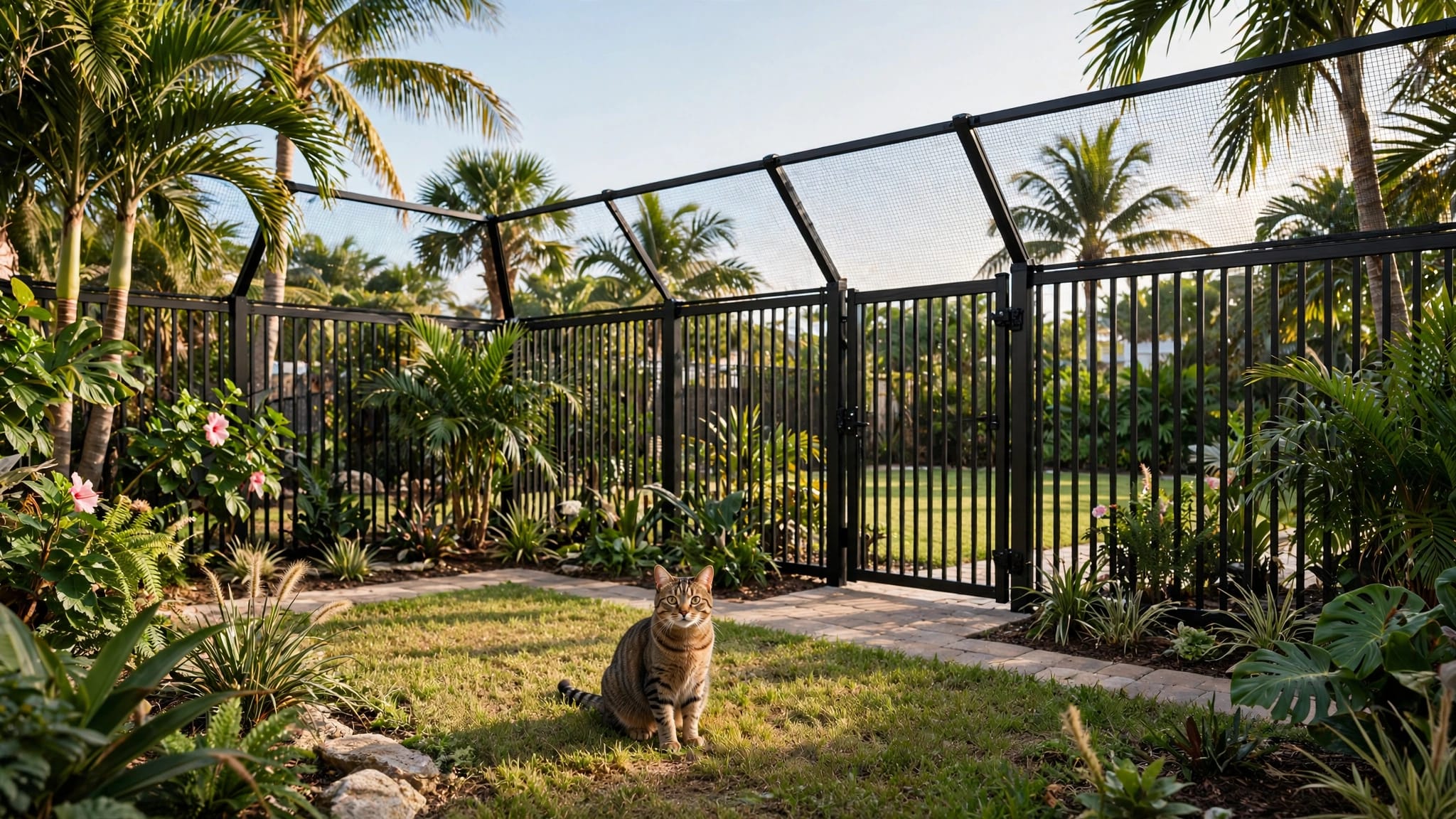
Double gates need additional control at the meeting point. A ground stop and drop rod or cane bolt reduce racking, limit wind movement, and keep the center seam aligned. Without that support, each leaf can move independently and place extra stress on its hinges.
Match the Hinge to the Gate and Its Use
Walk gates and wide leaves need different planning
A 36- to 42-inch walk gate often starts with two properly rated hinges. A 48-inch walk gate commonly needs three hinges, particularly when it has heavy infill or frequent use. Double gates with leaves around 5 to 6 feet wide often use three hinges per leaf, but those ranges are practical starting points rather than code rules.
Adjustable barrel hinges, ball-bearing hinges, and weld-on hinges each suit different gate materials and loads. Adjustable models can help correct small alignment changes, but adjustment cannot replace a strong post or properly braced frame. Ball-bearing designs may reduce friction on heavy gates, although their working-load rating and coastal material specification still matter more than the name of the hinge style.
Solid privacy gates deserve extra attention because wind load can exceed the effect of their weight. A tall gate with a narrow hinge-side post can twist even when the hinges appear oversized. Review the frame, bracing, post, footing, and latch as one assembly.
Automated and pool gates need additional controls
An automated driveway gate should use hinges rated for the operator's force and the gate's full travel. The operator doesn't make a weak hinge-side post stronger. Instead, it can magnify wear if the gate binds, drags, or stops against an uneven surface.
Pool gates have separate safety requirements. Depending on the jurisdiction and barrier design, the gate may need to self-close, self-latch, swing in a required direction, and place the release mechanism at a regulated height. Use self-closing hinges for pool fence gates that match the gate size and the applicable pool-barrier requirements.
Don't select a spring hinge by closing force alone. Confirm that it can carry the gate, close it reliably against normal friction, and remain aligned after repeated cycles.
Installation and Alignment Affect Hinge Life
Set the post and hinge pins accurately
Installers should plumb the hinge post before attaching the gate. Hinge pins need proper vertical alignment, and the gate should have consistent clearances at the top, bottom, latch side, and adjoining fence.
A small error at the hinge side becomes more noticeable at the latch corner. The gate may scrape, bind, or require excessive force to close. For adjustable hinges, make measured adjustments before forcing the latch into position. Forcing a misaligned latch can bend hardware and hide a post or footing problem.
Set the gate on temporary supports during installation. That keeps the hinge from carrying the full load before all fasteners, plates, braces, and latching components are secure. After installation, open and close the gate several times to check for rubbing, spring-back, binding, and uneven gaps.
Inspect after storms and regular use
Coastal gates need routine inspection because corrosion and movement often begin at connection points. At least twice a year, and after a major storm, check the following:
- Look for rust, pitting, cracked coating, bent hinge plates, and worn pins.
- Check bolts, screws, nuts, and welds for looseness or movement.
- Push up gently on the latch side. Noticeable lift can indicate sag or a shifting hinge post.
- Confirm that the latch engages without lifting, dragging, or slamming the gate.
- Watch the hinge post while the gate moves. Any rocking deserves attention.
- Rinse salt residue and follow the hinge manufacturer's lubrication instructions.
Replace damaged hardware as a compatible set when possible. Installing one new fastener beside several corroded ones can leave the connection vulnerable.
Florida Wind Rules and Site-Specific Design
The Florida Building Code addresses wind design through provisions based on ASCE 7. Code materials include general language for fences up to 6 feet that references a 115 mph, 3-second gust condition, but that figure isn't a universal hinge specification or a guarantee that every site uses the same design value.
Local wind speed, exposure, risk category, fence height, gate openness, location, and permit requirements can change the design. Coastal and high-wind jurisdictions may require engineering documents or more demanding calculations. A six-foot open picket gate and a six-foot solid privacy gate don't present the same wind area.
General guidance supports corrosion-resistant hardware, rated load capacity, reinforced posts, sound footing, and a practical safety margin. Site-specific engineering may be necessary when the gate is tall, wide, solid, automated, commercial, close to the water, or located in a high-wind zone.
Before approving a hinge package, ask the contractor:
- What is the estimated weight of the complete moving gate assembly?
- What working load does the manufacturer rate for the selected hinges?
- How do the gate width and wind area affect the hinge and post design?
- What fastener metals and isolation methods will protect the connection?
- How will the hinge post and footing resist movement?
- Does the project need a permit, wind documentation, or an engineer's review?
A local installer should also review property lines, easements, seawalls, drainage, utilities, and gate clearance before fabrication. Those details can affect both the gate location and the support required.
Conclusion
Selecting heavy duty gate hinges for a Florida coastal fence requires more than matching a hinge to the gate's listed weight. The complete assembly, width, wind pressure, cycle frequency, post strength, mounting points, fastener metals, and footing all affect performance.
Use a manufacturer-rated working load with a sensible safety margin, choose hardware suited to salt air, align the gate carefully, and inspect it after storms. When the gate is wide, solid, automated, commercial, or near a seawall, site-specific design and local code review should guide the final choice.