August 8, 2026
A seawall can look finished before the property is ready for a fence. Fresh backfill, changing grades, open drainage paths, and heavy construction traffic can all affect the fence line.
The best time to install a fence after seawall construction is after the seawall contractor or project engineer approves the wall, cap, backfill, and final grade. A fence contractor can then plan the layout without placing posts where they could damage the structure or interfere with drainage.
Why Fence Timing Matters After a Seawall Project
Seawall construction often changes more than the shoreline edge. Crews may remove soil, replace backfill, install drainage components, pour a concrete cap, or use heavy equipment near the property boundary. Those changes can leave the ground unsettled even when the area looks clean.
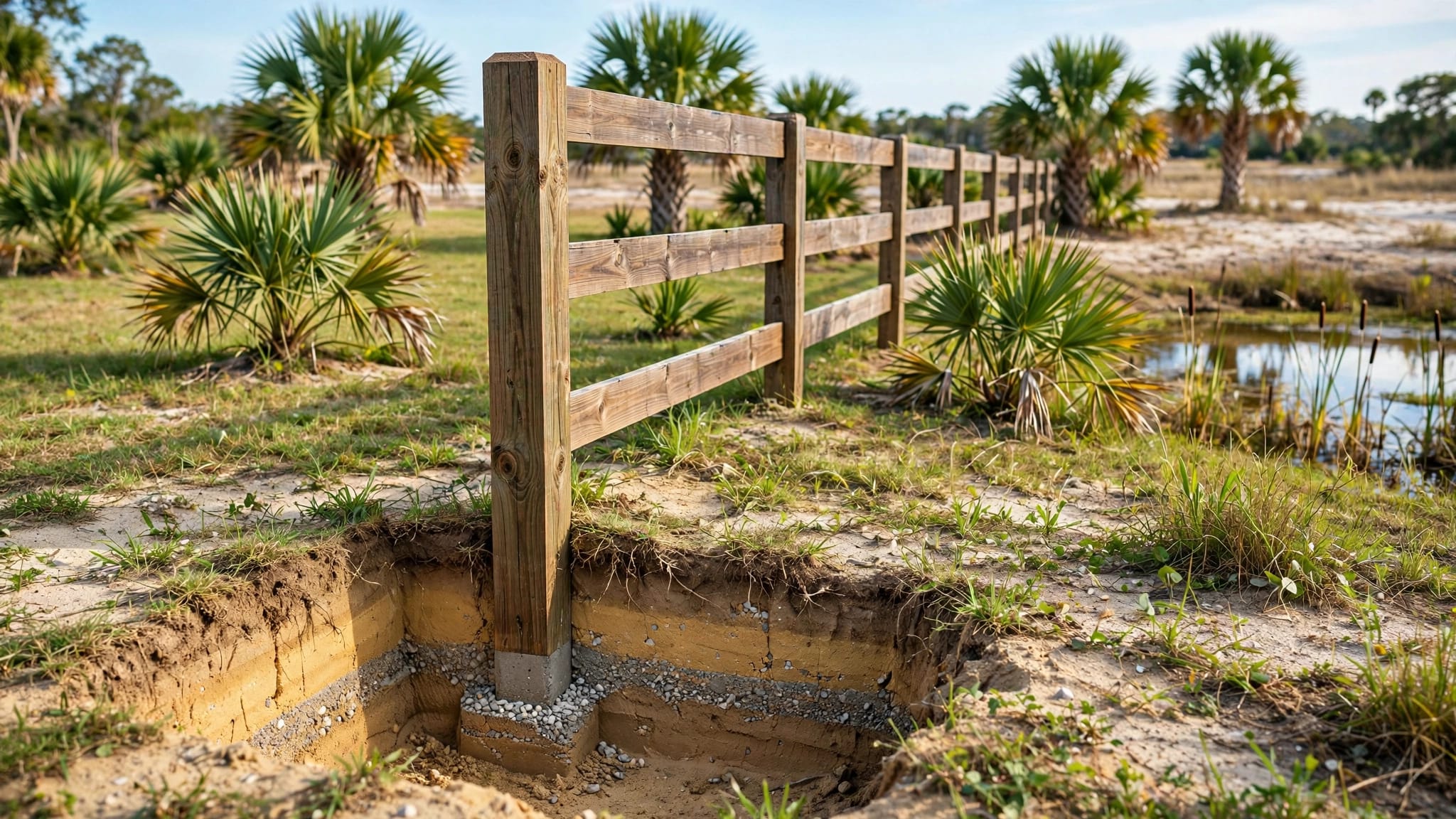
A fence depends on stable soil. Each post needs a footing that can resist movement, wind, and normal use. If a post sits in loose fill, it may lean as the soil compresses. Gates can sag, panels can shift, and the fence line may no longer match the property boundary.
The location of the wall also matters. Some seawalls have tiebacks, anchors, drainage outlets, reinforcement, or buried components that extend inland. Digging into one of these areas can cause expensive damage and may affect the wall's performance.
A fence attached directly to a seawall cap creates another concern. Fence posts add wind pressure and may transfer force into the cap or wall. The correct attachment method depends on the cap design, reinforcement, wall type, and engineering plans. A fence installer shouldn't drill into the cap based on appearance alone.
A clean construction site doesn't automatically mean the soil and seawall are ready for post installation.
Southwest Florida properties also face heavy rain, saturated soil, salt exposure, and strong storm winds. Those conditions make placement, drainage, footing depth, and hardware selection important. Waiting for approval is usually less expensive than repairing a leaning fence or damaged seawall later.
When to Install a Fence After Seawall Construction
There isn't one universal number of days for every seawall project. The correct schedule depends on the construction method, soil conditions, backfill material, drainage work, concrete components, and the fence location.
For a fence installed well inland from the seawall, work may begin after the contractor completes final grading and confirms that the fence area is stable. A fence installed directly beside the wall may need more time and closer review. If the crew placed new fill along the entire property edge, the fence contractor may need to wait until that fill reaches the required condition.
Concrete needs its own schedule. If workers poured a seawall cap, curb, footing, or other concrete element, ask the seawall contractor when that component can handle drilling, fasteners, or nearby excavation. Do not attach a fence to fresh concrete without written or direct approval from the responsible contractor or engineer.
The fence can usually move forward when these conditions are met:
- The seawall contractor has completed the structural work and removed construction equipment from the fence area.
- Final grades direct water away from vulnerable areas without covering drains or outlets.
- Backfill has been placed and compacted according to the project requirements.
- The engineer or seawall contractor has identified the location of tiebacks, anchors, drainage lines, and other buried components.
- The fence layout avoids the wall's protected area and leaves access for future inspection or maintenance.
- The fence contractor has reviewed the site and agrees that the soil can support the planned posts and gates.
A fence after seawall construction should follow the final site plan, not the temporary grade left by excavation. If the property owner still expects additional fill, pavers, irrigation work, or drainage changes, schedule those projects before the fence whenever possible.
Warning Signs the Site Needs More Settling or Drainage Work
Some movement can occur after construction, especially after rain. However, visible changes near the seawall or proposed fence line deserve attention before anyone digs post holes.
Look for depressions, soft spots, or soil that shifts under foot. These conditions may indicate loose backfill, water movement, or incomplete grading. A fence post installed in that area could settle unevenly.
Standing water is another warning sign. Check the property after a substantial rain, if conditions allow. Water that collects beside the wall, flows toward the house, or remains around proposed post locations may point to a drainage problem. The fence should never block a designed drainage route.
Also delay installation and request a review if you see:
- New cracks, movement, leaning, or separation in the seawall or concrete cap.
- Soil washing out beneath the cap, around drainage outlets, or along the fence line.
- Sinkholes, open voids, or sudden depressions in the backfilled area.
- Exposed fabric, pipes, anchors, or other construction components.
- Muddy water flowing from the property or pooling against the structure.
- Weep holes, drain outlets, or swales covered by soil or construction debris.
- A temporary grade that differs from the approved final grade.
- Fence stakes or string lines that shift after rain or equipment traffic.
Don't ask a fence installer to correct a seawall problem by adding concrete or deeper posts. A seawall contractor or qualified engineer should review structural movement, drainage failure, and unstable fill. The fence work can resume after the site receives approval.
For general guidance, a fence contractor can evaluate access, materials, layout, and post placement. Site-specific engineering advice must come from the professional responsible for the seawall or from another qualified engineer who has reviewed the plans and conditions.
Planning the Fence Around the Wall
Start with the fence line, not the fence material. A survey, approved site plan, or clearly marked property corners can help prevent an expensive placement mistake. The fence may need to sit several feet inland, depending on the wall design, access requirements, drainage features, and local rules.
Leave enough room for seawall inspections and repairs. A fence placed directly against the wall may make it harder to examine cracks, outlets, joints, tiebacks, or signs of erosion. It can also limit equipment access if the wall needs future work.
Post installation methods need careful review. Independent posts set in the ground may be appropriate when stable soil exists behind the wall. In other cases, the engineer may require a special mounting system, a setback, or a design that avoids the cap entirely. The fence contractor should follow the approved method rather than choosing a convenient attachment point.
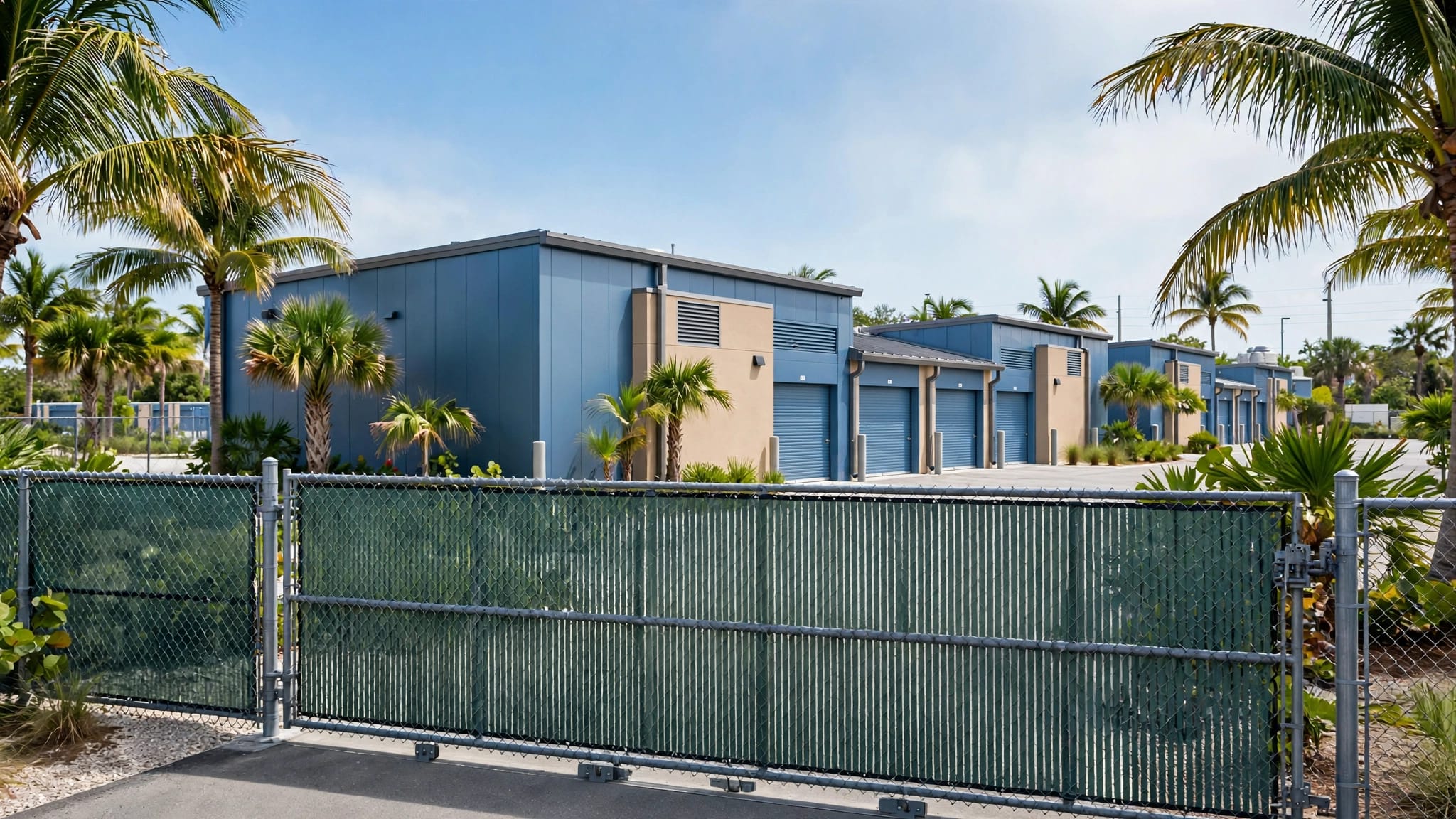
Material selection matters near water. Aluminum fencing resists rot and can provide visibility along a waterfront. Vinyl and PVC fencing offer privacy without wood decay, but panels can place substantial pressure on posts during high winds. Wood can provide a traditional appearance, while chain link offers an open design and lower visual obstruction. Each material still needs suitable footings and corrosion-resistant hardware.
A gate often needs more support than a standard fence section. Gate posts carry repeated movement and extra weight, so they should not be placed over soft fill or close to hidden seawall components. Ask the installer to review gate locations separately.
Royal Fence provides residential and commercial fencing options in Cape Coral, Fort Myers, Estero, and Bonita Springs. A contractor familiar with local waterfront properties can coordinate the fence layout with the completed site work.
Cost also changes when access is limited or the fence line requires special footings. Before budgeting, review the cost factors for installing a fence, then request a site-specific estimate after the seawall work is complete.
Questions to Ask Before Scheduling Fence Installation
Bring these questions to the seawall contractor, engineer, and fence company before choosing an installation date:
- Has the seawall, cap, drainage system, backfill, and final grade received approval?
- Which areas contain tiebacks, anchors, utilities, irrigation lines, drain pipes, or other buried components?
- How far should the fence sit from the seawall for inspection and maintenance access?
- Can the proposed fence use independent ground-set posts, or does the design require a special mounting method?
- Has the concrete cured enough for any planned drilling or fasteners?
- What evidence shows that the fence line is stable after backfilling and rain?
- Where will water leave the property after storms, and will the fence affect that path?
- Does the fence plan comply with local permits, property lines, easements, and homeowners association rules?
- Which material and hardware fit the property's salt exposure, wind conditions, privacy needs, and maintenance preferences?
- Who will handle unexpected soft soil, buried obstructions, or changes to the approved layout?
Get answers in writing when the fence will connect to, sit beside, or require excavation near the seawall. Clear documentation helps each contractor work from the same information.
Conclusion
The right time to install a fence after seawall construction is after the wall, backfill, drainage, concrete work, and final grade have been reviewed. A finished-looking yard may still contain loose soil, active settlement, or buried components that require protection.
Wait if you see movement, washout, standing water, exposed materials, or blocked drainage. Once the site receives approval, a fence contractor can set the line, choose suitable materials, and place posts without compromising the seawall. A careful schedule protects both improvements for the years ahead.