March 6, 2026
A pool fence shouldn't feel like a pop quiz right before inspection day. Yet in Cape Coral, the smallest detail, a low latch, a wide gap, a gate that drifts open, can slow everything down.
The good news is this: choosing the right Cape Coral aluminum pool fence style makes code compliance simpler, and the install moves faster. Aluminum panels come in clean, proven designs that inspectors see every day, so there are fewer surprises.
Below are the aluminum fence styles that tend to meet pool code quickly, plus the planning details that help you pass the first time.
Pool code basics in Cape Coral (March 2026) that affect fence style
Most "pool code" decisions come down to two things: stopping kids from getting in, and stopping them from getting stuck. That's why pool barriers focus on height, gaps, climb resistance, and gate hardware.
As of March 2026, the common requirements you'll hear repeated in Cape Coral are:
- Minimum barrier height : 48 inches around the pool area
- Bottom clearance : no more than 2 inches under the fence
- Picket spacing : openings no larger than 4 inches
- Climb resistance : avoid designs with easy footholds on the outside
- Gates : self-closing and self-latching , swinging outward away from the pool
- Latch height : set at least 45 inches high (so small kids can't reach it)
If you want a local, aluminum-focused breakdown, start with this guide on Cape Coral pool fence requirements.
Cape Coral also tightened the paperwork side in 2026. Pool barriers are treated like life-safety items, and permitting can require more complete submittals than a typical yard fence. In plain terms, the fastest jobs are the ones that begin with a clear site plan and code-friendly hardware already selected.
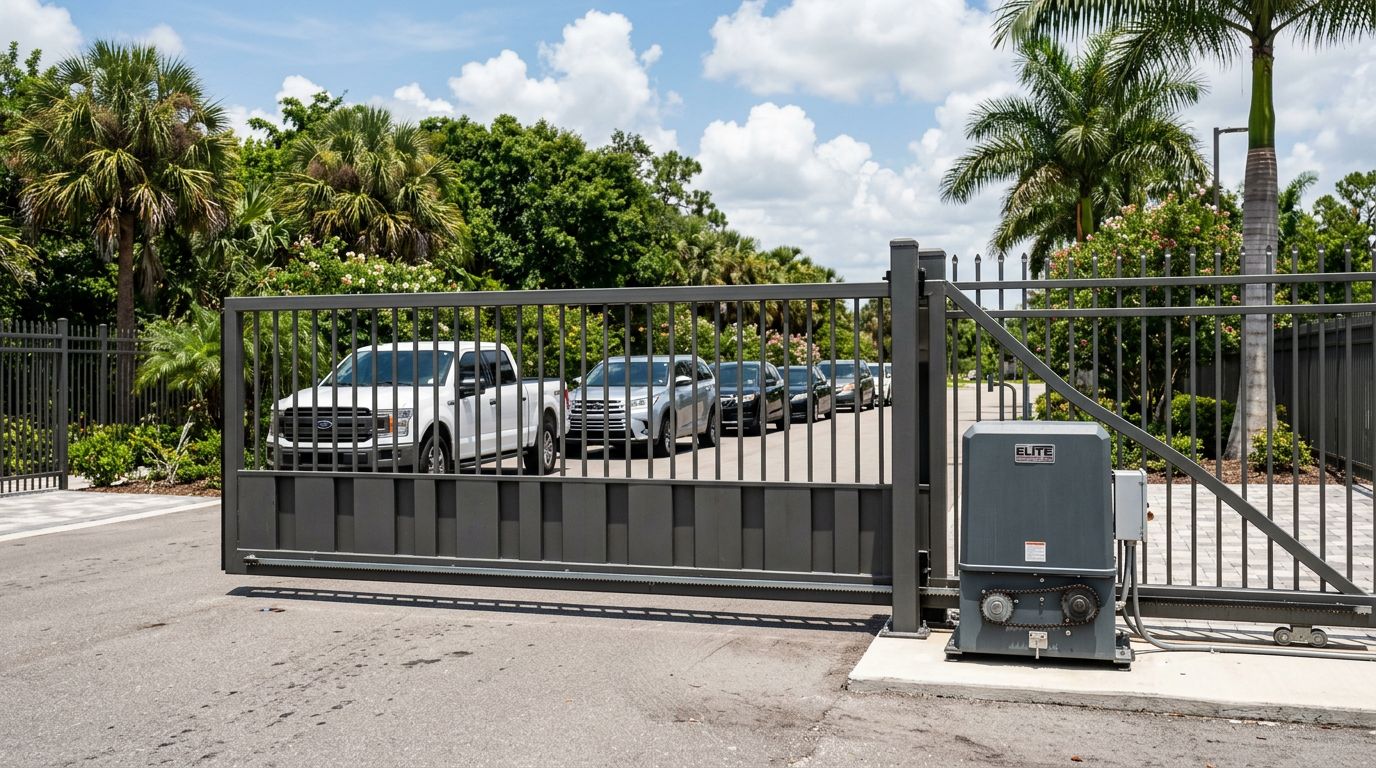
Most inspection delays don't come from the fence panels. They come from the gate , because it's the only moving part.
With the basics in mind, the next step is picking a style that naturally fits those rules.
Aluminum fence styles that usually pass pool inspections without drama
Aluminum pool fencing works well in Southwest Florida because it holds up to moisture, salt air, and heavy rain with minimal upkeep. It also comes in designs that are easy to measure and verify, which speeds up approvals.
Here are the styles that tend to fit Cape Coral pool barrier rules with fewer adjustments.
Flat-top picket panels (the "safe default")
Flat-top, vertical picket panels are the go-to for a reason. They're hard to climb, easy to measure, and they don't create odd openings near the top rail. If your goal is to meet code fast, this is often the cleanest path.
Many homeowners choose black or bronze because it "disappears" visually and keeps the pool area open. The color won't make it pass or fail, but standard finishes can help avoid ordering delays.
Three-rail pool panels (more rigidity, same look)
A three-rail design adds strength across the span. That matters if you have long runs, active pets, or a gate area that sees a lot of traffic. The look stays similar to a standard pool fence, but the panel feels stiffer.
This style can also reduce the temptation to overspace posts, which is a common installer shortcut that can lead to wobble later.
"Puppy picket" bottom (when you need tighter lower spacing)
If you've got small dogs, the standard 4-inch picket spacing can still be a problem, even if it meets pool code. Puppy picket styles tighten spacing near the bottom portion of the panel, without turning the fence into a solid wall.
That's a practical upgrade when safety includes both kids and pets, and you don't want to add a second interior barrier.
Rackable panels (for swales and slightly uneven grades)
Cape Coral yards often have gentle slopes or drainage swales. A rackable panel adjusts to grade changes, which helps you keep bottom clearance consistent. That 2-inch gap rule becomes much easier to maintain when the panel follows the ground instead of fighting it.
To make the options easier to compare, here's a quick side-by-side.
| Aluminum style | Best for | Why it helps meet pool code fast | Watch-outs |
|---|---|---|---|
| Flat-top picket | Most pools | Simple measurements, climb-resistant look | Don't let grade changes create a big bottom gap |
| Three-rail picket | Long runs, busy yards | Stiffer panels, cleaner alignment | More rails can look "busier" from the street |
| Puppy picket | Homes with small dogs | Reduces pet escape attempts while staying open | Confirm picket spacing stays consistent at transitions |
| Rackable panels | Sloped areas, swales | Keeps bottom clearance even across changes | Needs careful layout at corners and gate posts |
The takeaway: the fastest approvals usually come from simple vertical picket designs paired with the right gate hardware.
For a closer look at finishes and common options, see aluminum fencing in Cape Coral.
How to meet pool code fast, without rework after the inspector leaves
Even the best-looking Cape Coral aluminum pool fence can fail inspection if a few details get missed. Speed comes from planning the "boring parts" early, then installing with consistency.
Start with the gate plan, not the panels
Gates are where inspectors focus. Place the gate where you'll actually use it, then build the fence layout around that. A gate that's convenient gets used, and a gate that gets used gets maintained.
For faster approval, confirm these gate choices before install day:
- Self-closing hinges that shut the gate every time, without slamming
- A self-latching latch mounted at the proper height
- A gate that swings outward away from the pool
Also, avoid placing the latch where a nearby rail, planter ledge, or equipment pad creates a "step" that helps climbing.
Keep bottom clearance consistent (Cape Coral yards shift)
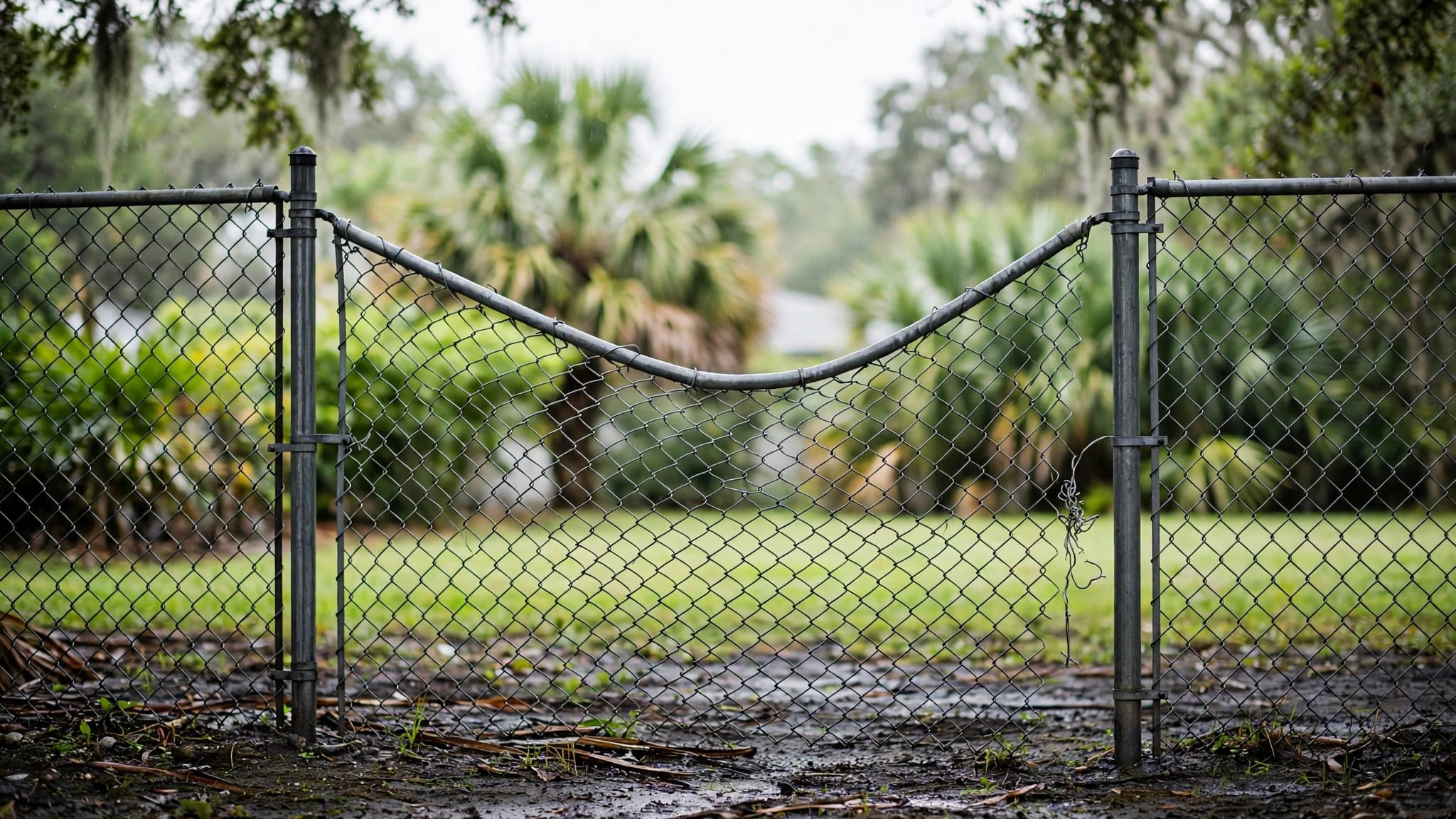
Sandy soil, irrigation, and drainage patterns can change grade over time. That's why installers should check clearance along the full run, not just at the corners. In practice, this often means adjusting panel choice (rackable vs standard) or fine-tuning post heights.
If you want the job to last, this is also where post setting matters. Strong footings reduce lean, and a fence that stays plumb is easier to keep code-compliant year after year.
Choose standard components when time matters
Custom panels look great, but they can add lead time. If you're trying to clear code quickly, standard heights and common colors often move faster. The same goes for gate widths and latch kits that your contractor already installs regularly.
Don't let budgeting surprise you mid-project
Pool fences rarely stop at "just the fence." Corners, gate hardware, extra posts near the gate, and old fence removal can shift the total.
For realistic local ranges and what affects price, use this breakdown of Cape Coral fence installation costs. When you budget upfront, you're less likely to "value engineer" your way into a failed inspection.
Conclusion
If your goal is a pool fence that meets code quickly, keep it simple: pick a vertical, flat-top aluminum style, control gaps, and treat the gate like the main safety device. Add rackable panels for slopes and puppy pickets for small pets, and you'll avoid most common rework.
A well-built Cape Coral aluminum pool fence should feel like a quiet guardrail, not a constant project. Want it done once and done right? Get a layout and gate plan before the permit paperwork starts, and you'll move from install to inspection with far fewer delays.