June 3, 2026
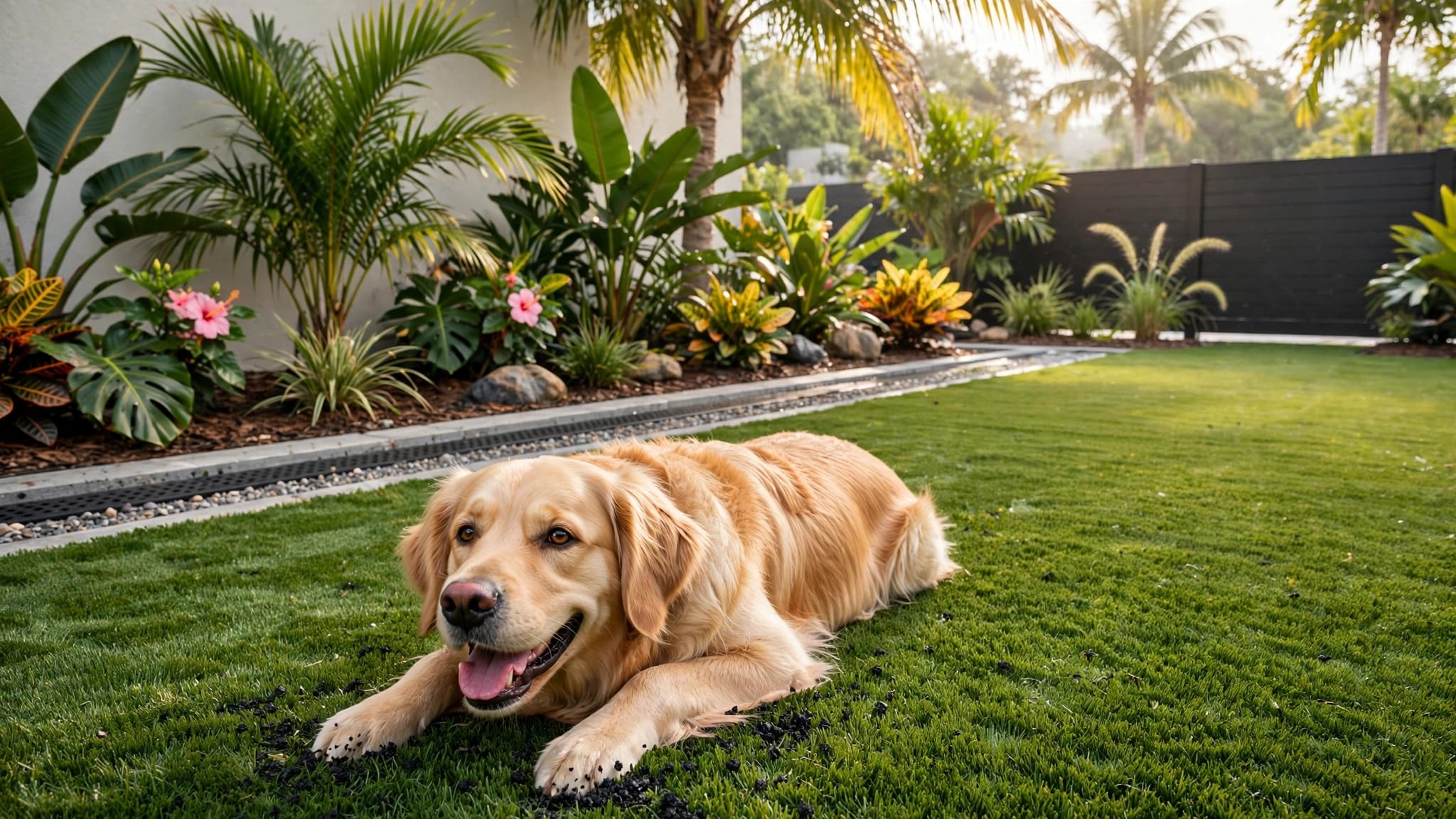
Cape Coral pet owners are looking at artificial turf for one simple reason, cleanup gets old fast. In 2026, the Cape Coral artificial turf cost for a dog-friendly yard usually starts around $11 per square foot installed and can climb to $16 or more when the project needs better drainage or tougher materials.
Heat, rain, and muddy paws all show up in the same week here. That means the cheapest quote is rarely the smartest one. The real price depends on the base, the infill, the size of the yard, and how much work the old lawn needs.
What Cape Coral pet-yard turf costs in 2026
For a pet yard, installed turf in Cape Coral usually lands in the $11 to $16 per square foot range. Smaller yards cost less in total, but the price per foot can stay high because prep work and cleanup do not shrink much with size.
Here's a simple way to estimate a project using that range.
| Yard size | Typical installed cost | What it usually means |
|---|---|---|
| 200 sq ft | $2,200 to $3,200 | Small dog run, side yard, or compact potty area |
| 500 sq ft | $5,500 to $8,000 | Small to medium pet zone with standard prep |
| 1,000 sq ft | $11,000 to $16,000 | Common backyard pet area with full installation |
| 1,500 sq ft | $16,500 to $24,000 | Larger yard, often with more grading or cleanup |
A 1,000-square-foot pet yard is a common reference point, and that size often falls in the middle of the range. If the job needs extra excavation, drainage upgrades, or old sod removal, the total can move up fast.
The lowest quote can look good on paper, but it can cost more later if drainage or prep gets skipped.
Pet turf usually costs more than standard turf because it needs better flow-through, tougher backing, and infill that handles odor better. That extra work matters in Southwest Florida, where wet weather and heavy use can expose weak installation fast.
What pushes the price up or down
Several parts of the job affect the final number, and each one can change the quote by a real amount.
- Yard prep changes the cost when the soil is uneven, soft, or holding water.
- Old grass removal adds labor and haul-away fees.
- Drainage work costs more, but it helps the turf dry faster after rain or rinsing.
- Turf quality matters because pet-grade products are built to take more wear.
- Infill choice affects odor control, cooling, and how the turf feels underfoot.
- Access to the yard can raise labor costs when crews have to move materials through tight spaces.
Cape Coral lots vary a lot, so two yards with the same square footage can still price very differently. A simple open space is easier to install than a yard with beds, curves, fences, or low spots that trap water.
The biggest mistake is comparing only the square-foot number. A quote that includes grading, base material, and pet-friendly infill is not the same as a bare-bones turf price.
What installation usually includes
A proper installation has more steps than rolling out green material and calling it done. Most pet-yard jobs include removal of existing grass, grading, compacted base material, turf placement, seam work, infill, and final cleanup.
A local crew offering professional artificial turf installation will usually handle the full sequence, from prep to finish. That matters because the base under the turf does most of the heavy lifting.
Here's what you should expect in a normal pet-yard install:
- The crew clears the area and removes sod or old ground cover.
- They shape the base so water moves away from problem spots.
- They add and compact a drainage-friendly layer, often crushed rock or a similar base.
- They lay the turf, trim it to fit, and secure the edges.
- They spread infill, then brush the blades so the surface stands up better.
If a quote skips over base work, ask more questions. The turf may look fine on day one, but a weak base can leave soft spots, odors, and puddles later.
Pet-yard features that are worth paying for
Pet turf is not only about appearance. It has to stand up to traffic, urine, rinsing, and hot afternoons. The right extras can make the yard easier to live with and easier to keep clean.
Odor control and antimicrobial infill
Odor control starts with drainage, but infill matters too. Some pet-grade installs use antimicrobial or odor-reducing infill to help manage smells between cleanings.
That does not remove the need to clean up after your dog. It does help the yard stay fresher, especially when one area gets used every day. In Cape Coral heat, that small difference can matter more than people expect.
Drainage for rain and rinsing
Drainage is one of the biggest reasons pet turf costs more here. Cape Coral gets enough rain that standing water can become a real problem if the base is weak.
Good drainage helps after storms and after you hose the area down. It also keeps the turf from holding moisture longer than it should. If your yard already has puddles after rain, bring that up before anyone gives you a final price.
Durability for dogs
Dogs turn any yard into a test site. They run the same path, turn in the same spot, and wear down weak materials fast.
A pet yard needs turf with solid backing, strong seam work, and blades that do not flatten too quickly. If you have a larger dog or more than one pet, it makes sense to spend more on durability. The cheaper turf may save money up front, but it can show wear sooner.
Heat and surface comfort
Artificial turf gets hotter in the sun than many owners expect. That matters in Southwest Florida, especially on bright afternoons.
Lighter infill options, shade, and rinse-down habits can help. Some homeowners also plan turf placement so dogs have a cooler path to another surface, like a paver edge or shaded strip. A good installer should talk about heat without brushing it aside.
How to compare quotes without overpaying
When you compare Cape Coral turf quotes, look at the details line by line. A real estimate should say what kind of turf is being used, how the base is built, and what is included for cleanup.
Use this quick check before you decide.
| Quote item | What to look for | Why it matters |
|---|---|---|
| Turf product | Pet-rated or heavy-use turf | Affects durability and feel |
| Base prep | Grading, rock base, compaction | Supports drainage and stability |
| Infill | Odor-control or antimicrobial options | Helps with smell and cleaning |
| Removal | Sod, debris, and haul-away | Prevents surprise add-ons |
| Edging and seams | Defined edges and tight seams | Keeps the yard neat longer |
The takeaway is simple. A complete quote may cost more, but it usually gives you a better yard and fewer problems later.
Also, ask how cleanup is handled after installation. Some crews leave the surface brushed and ready. Others leave you with follow-up tasks that should have been part of the job.
Maintenance costs after the install
Artificial turf cuts down on lawn work, but pet yards still need care. You will still scoop waste, rinse the area, and clear leaves or debris.
Most of the upkeep is simple. A quick rinse keeps urine from building up in one spot. Brushing the fibers now and then helps the surface stay upright. If you have multiple dogs, you may need to clean it more often than a family yard without pets.
That smaller routine is one reason many homeowners look at turf in the first place. It trades weekly mowing for a shorter, more predictable cleaning habit.
Conclusion
The Cape Coral artificial turf cost for pet yards in 2026 usually makes sense when you look past the square-foot number. Drainage, infill, base prep, and durability all shape the final price, and each one matters more in a dog yard than in a decorative lawn.
If you want a number you can trust, start with the size of the yard and the condition of the ground beneath it. Then compare quotes that spell out what is included, because the best turf job is the one that still performs after rain, heat, and daily dog use.