November 15, 2026
Commercial fencing can help churches and community centers protect activity areas while keeping their properties welcoming and accessible. The best plan starts with how people use the site , then matches fence materials and gates to those activities.
A facility that hosts worship, preschool, food distribution, and evening classes may need several different kinds of access. Start by mapping those routines before choosing a fence style.
Map the Property and Its Daily Activities
A fence layout should account for busy gathering times as well as quieter periods. A gate that works for weekday deliveries may create a bottleneck when families arrive for a weekend event.
Mark Boundaries and Site Features
Start with a survey and a site plan that shows property lines, buildings, driveways, sidewalks, and existing fences. Add proposed fence runs and gate locations, along with drainage features, utility boxes, irrigation, and equipment that needs servicing.
Don't treat an existing fence as proof of the property line. An older installation may sit inside the boundary or cross an easement.
Drainage cleanouts and outlets deserve attention. A gate or removable panel may give a maintenance crew access without taking apart a long fence run. Our guide to planning a commercial fence layout covers how these features fit on a site plan.
Follow People Through the Site
Walk the routes used by visitors, staff, delivery drivers, and maintenance crews. Include preschool drop-off, large gatherings, food pantry hours, and outdoor recreation if they apply to your facility.
Mark places where cars and pedestrians cross. Also consider how people reach accessible parking, building entrances, and outdoor programs. These routes help determine where gates belong and which areas need separate access.
Set Security Goals Without Closing Out the Community
Churches and community centers often welcome visitors throughout the week. A useful fence plan directs people toward the right entrance while protecting areas that aren't open to everyone.
Separate Public and Restricted Areas
A perimeter fence isn't the only option. You may need a secure enclosure around a play yard, equipment area, or outdoor storage space while leaving the main entrance easy to find.
Consider who needs access to each area and when. Staff may need a key or access control for a service gate, while visitors use a clearly marked public entrance. Gates should support the facility's operating routines rather than forcing staff to prop them open.
Open fencing can also preserve sightlines. Staff may be able to see across a children's activity area or toward an entrance more easily than they would through a solid panel.
Plan for Child Supervision
For programs serving children, place gates where staff can monitor arrivals and departures. Choose hardware that suits the program and its safety plan, and keep the route between the building and the activity area easy to supervise.
Avoid gaps or damaged sections that could create hazards. A fence supports a safeguarding plan; active supervision and established pickup procedures remain part of that plan.
Compare Commercial Fencing Materials
Different parts of a property can use different materials. For example, an open fence may suit a front entrance, while a solid screen provides privacy around a service area.
| Material | Useful features | Planning consideration |
|---|---|---|
| Chain link | Open views and a practical boundary for recreation areas | Offers little privacy without additional screening |
| Aluminum | Decorative appearance and open sightlines | Doesn't provide the visual screening of a solid fence |
| Vinyl | Available in privacy styles and doesn't need painting | Solid panels can block views and face greater wind pressure |
| Wood | Natural appearance and flexible design options | Needs ongoing attention to moisture, finish, and damaged boards |
Each option can work well when its design matches the location and the facility's maintenance capacity.
Choose Visibility or Privacy by Location
Chain link can be useful around an outdoor activity space where staff need to see through the fence. Aluminum offers an open appearance that can complement a prominent entrance or landscaped frontage.
Vinyl or wood may be a better fit where the goal is to screen stored supplies or a service yard. Consider how a solid fence affects visibility at driveways and pedestrian crossings before extending it across the property.
Consider Appearance Alongside Upkeep
The fence should look at home with the building and surrounding neighborhood. Color, panel style, gate placement, and landscaping all affect the finished appearance.
Our commercial fence installation services include vinyl, aluminum, wood, and chain link options. A mixed-material plan can direct the budget toward privacy where it's needed and open fencing where visibility matters more.
Design Gates for Access and Everyday Use
A fence can look good on a plan but cause frustration if gates are too hard to use or placed away from established routes. Plan pedestrian and vehicle access together rather than adding gates after the fence line is set.
Make Pedestrian Routes Usable
Consider visitors using wheelchairs, walkers, strollers, or mobility devices. They need a continuous route between parking, gates, building entrances, and outdoor activity areas.
The gate opening, surface, approach, hardware, and available space all affect usability. A wide-looking gate can still be difficult to use if a latch is hard to operate or the approach slopes awkwardly.
Accessibility provisions may apply when a gate is part of an accessible route. Our guide to Florida gate accessibility considerations explains why the entire route matters, not only the gate itself.
Account for Vehicles and Emergency Access
A delivery vehicle, landscaping crew, or emergency responder may need access to a different part of the site than visitors do. Show those routes on the plan and provide room for gates to operate without blocking sidewalks or parking spaces.
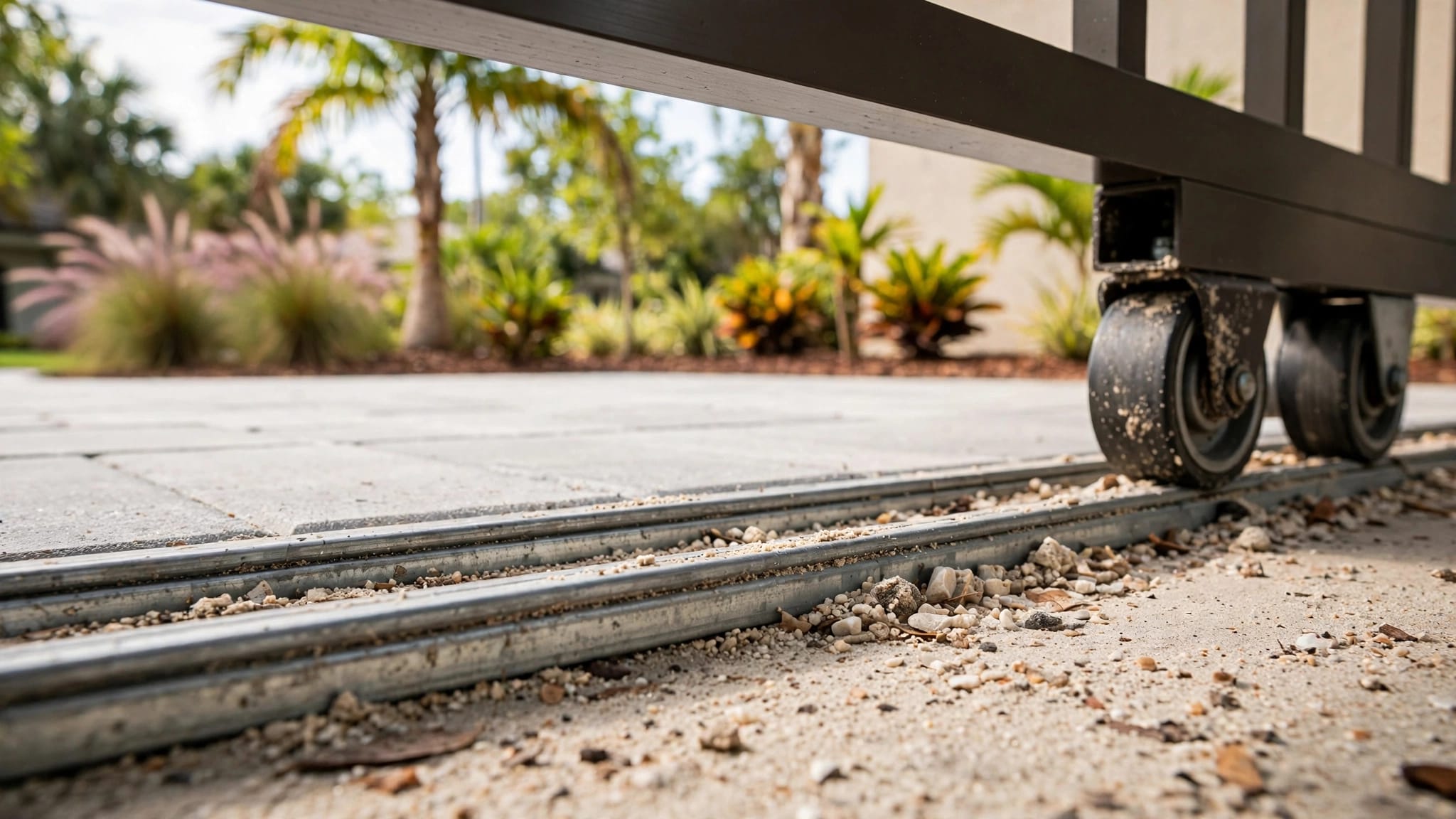
Swing gates need space for their travel. Rolling gates need a clear path along the fence. If access will be controlled, include a plan for authorized entry and emergency use.
Plan for Southwest Florida Weather
Sun, heavy rain, humidity, and coastal air affect fencing in different ways. The support system matters as much as the visible panels.
Match the Design to the Site
Solid privacy panels present more surface to the wind than open designs. Soil conditions, drainage, post spacing, footings, and gate loads also affect how a fence performs.
A canal-side site or an exposed parking area may have different conditions than a sheltered courtyard. Include those details when discussing the fence design with your contractor. Avoid assuming that one material or post arrangement suits every part of the property.
Keep Drainage and Equipment Accessible
Standing water and erosion around posts can create problems over time. Keep the proposed layout clear of drainage features and leave access for routine maintenance.
Landscaping can soften a fence line, but plants shouldn't block gates or crowd equipment. Leave room for crews to reach utility boxes, air-conditioning equipment, and other service points without dismantling the fence.
Address Local Requirements Before Installation
Fence projects in Cape Coral, Fort Myers, Estero, Bonita Springs, and unincorporated Lee County may follow different local processes. A Fort Myers mailing address, for example, doesn't necessarily mean a property is inside Fort Myers city limits.
The site plan should show the proposed fence location, material, gates, property lines, and known easements. It should also account for driveways, corner visibility, and access to utilities and drainage.
Include Specialized Areas in the Plan
A pool barrier needs its own attention. Gate hardware and the relationship between the fence and pool area are part of the design, so include those details in the project plan.
Other restrictions may apply to a property because of recorded easements or association rules. Our overview of Cape Coral commercial fence regulations provides local context for these planning decisions.
Locate Utilities Before Digging
Call Sunshine 811 before excavation so participating utilities can mark their underground lines. Private lines, including some irrigation or low-voltage wiring, may need separate locating.
Share known buried features with the installer before post locations are finalized. A route that avoids those features can prevent interruptions and damage during construction.
Build a Budget Around the Whole Project
The amount of fencing is only one part of the cost. Gates, hardware, site preparation, removal of an existing fence, and difficult access can all affect a proposal.
Compare Proposals on the Same Scope
Give each contractor the same site plan and describe the activities the fence needs to support. Ask for a written proposal that identifies the material, fence layout, gate locations, and included work.
The comparison becomes less useful when one proposal includes removal and cleanup and another doesn't. The same applies to gate hardware and any access-control equipment. A lower initial figure may cover a smaller scope of work.
Plan for Future Care
Include maintenance in the budget, especially if the facility relies on volunteers or has limited groundskeeping time. Wood may need periodic finishing and board repairs. Vinyl generally needs washing, while exposed metal components benefit from attention to their finish and hardware.
If the full project can't happen at once, prioritize areas according to their use and safety needs. Keep the eventual layout in mind so an early phase doesn't make a later gate or access route difficult to add.
Keep the Fence Working After Installation
Regular walks around the property can reveal small problems before they interrupt a program or affect access. Assign someone to look at the fence and gates throughout the year and after major storms.
Focus on Gates and Connections
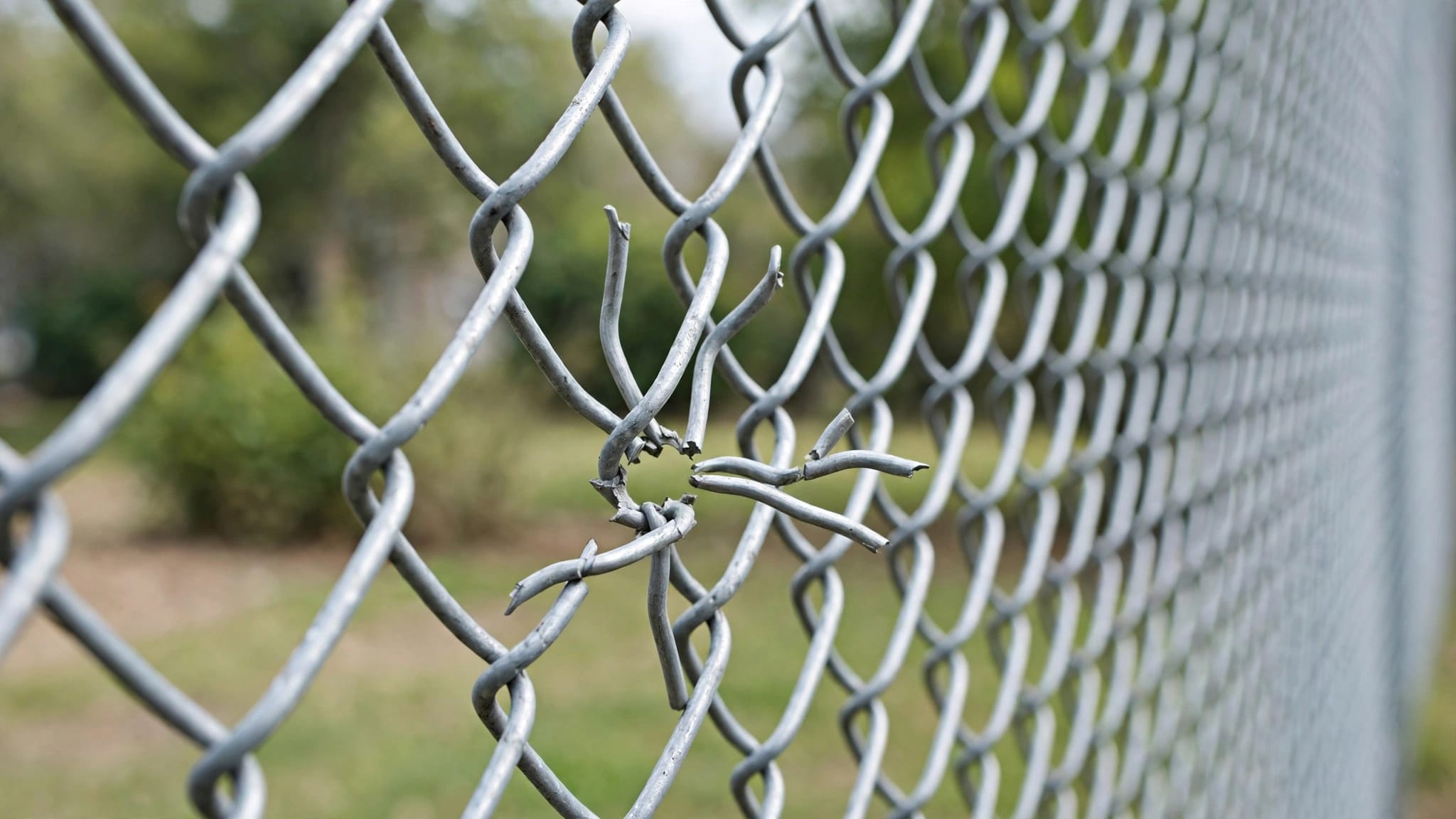
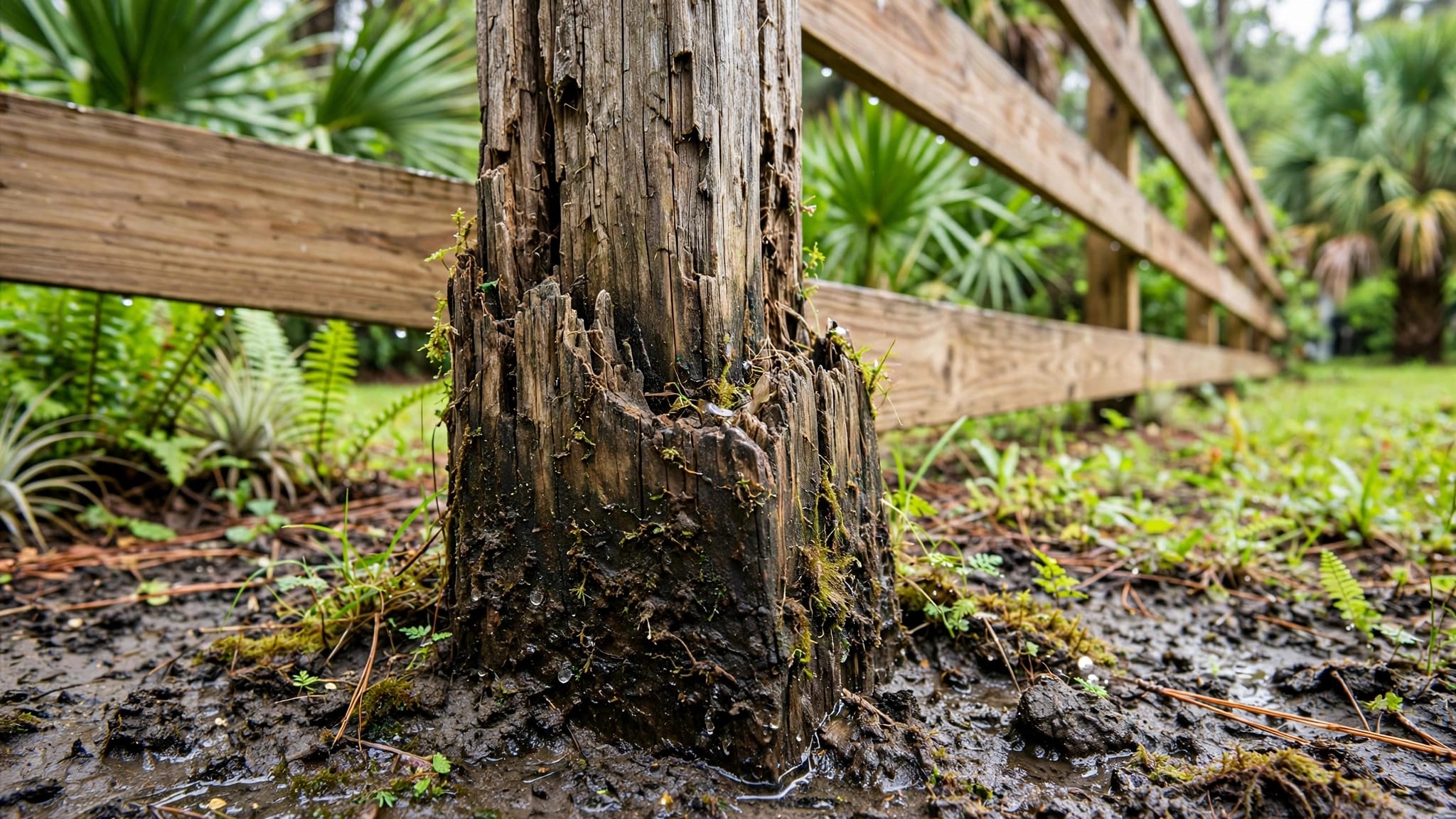
Open and close each gate, and look for sagging, loose hardware, or a latch that doesn't catch. Inspect posts and panels for movement or damage. Around chain link, look at ties and connections; on wood, look for loose boards and moisture damage.
Clear plants and stored items away from gate paths. Also look for erosion or standing water near posts after heavy rain.
Clean and Repair by Material
Wash dirt and mildew from vinyl as needed. On coastal properties, rinsing exposed aluminum can help remove salt buildup. Wood needs attention to its finish as well as signs of warping or decay.
When damage appears, address the affected area rather than letting a gate or loose panel remain in use. Our guide to repairing or replacing a Cape Coral fence can help you assess an aging installation.
Choose a Fence That Fits Your Community
A successful fence plan protects the areas that need it while preserving clear, usable routes for the people your facility welcomes. Start with the site's activities, then choose materials and gates for each location.
At Royal Fence, we offer free estimates for commercial fencing in Cape Coral, Fort Myers, Estero, and Bonita Springs. Bring your site plan and priorities to the conversation so the proposal reflects how your property is used.