November 12, 2026
Wood fence post rot often starts at ground level because that part of the post stays damp while still getting the oxygen decay fungi need. In Southwest Florida, heavy rain, humidity, irrigation, and poor drainage can keep the base wet long after a storm.
A post can look sound above the fence while hiding damage where it enters the soil. Ground-contact-rated wood , good drainage, and regular inspections can reduce the risk. Knowing what to look for also helps you decide when a post needs attention.
Why the Ground Line Is So Vulnerable
The ground line is the point where a post meets the soil or the top of its concrete footing. It's exposed to moisture from several directions, and it's easy to overlook when you inspect a fence from the yard.
Moisture and oxygen meet at the base
Decay fungi need moisture, oxygen, and a food source. Wood provides the food, while the area around the soil surface often supplies the other conditions. Rain wets the exposed post and surrounding soil, and the surface remains exposed to air.
The post may stay damp below a layer of mulch or inside a gap at the edge of a footing. Meanwhile, the upper part of the post gets more sun and airflow, so it can dry faster.
Wood doesn't rot every time it gets wet. The concern is repeated or prolonged wetness that gives decay time to develop. Treatment helps wood resist decay, but it doesn't make a post immune to damage.
The base carries the load
The ground line is also where the post must resist movement. Wind pushes against the fence panels, while gates add stress through their hinges. A post with decay at its base has less sound wood to handle those forces.
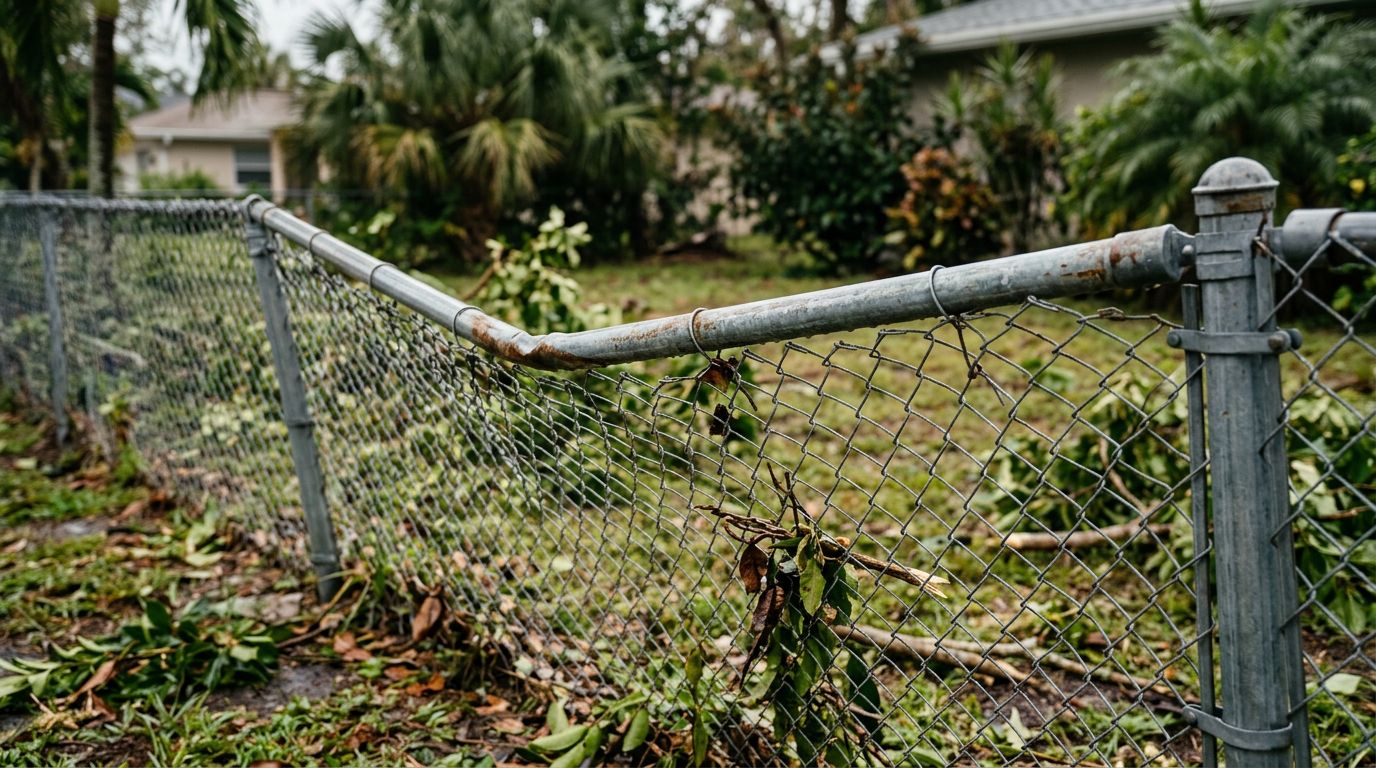
That matters for a solid privacy fence, which presents more surface area to the wind than an open fence. Once the base weakens, a storm can turn a slight lean into a damaged section. The upper post may still look straight and solid until the weakened area gives way.
How Florida Conditions Keep Posts Wet
Florida's climate puts repeated moisture on fence lines. How long a post stays wet depends on the yard, its drainage, and what sits next to the fence.
Rain, humidity, and drainage
Heavy rain can saturate soil around a post or leave water standing in a low spot. Humid air slows drying, especially along a shaded fence with little airflow. If another rain arrives before the base dries, the wood gets fewer opportunities to shed moisture.
Sandy soil can drain well, but it doesn't guarantee a dry post. Runoff may collect where the grade directs water toward the fence. A hole surrounded by less permeable soil can also hold water, while a high water table may limit how much water drains away.
Look at the whole yard before adding gravel around a wet post. Gravel alone won't correct a low area, blocked drainage route, or persistently high groundwater. Water needs somewhere suitable to go, and changes shouldn't block an existing swale.
Sprinklers and landscaping
Sprinkler overspray can wet the same post repeatedly even when it hasn't rained. Heads aimed toward a privacy fence may soak the wood and soil without watering much of the lawn.
Mulch, leaves, tall grass, and dense plants can hold that moisture against the base. They also hide the area where damage often begins. Our guide to sprinkler damage to fence posts explains how irrigation affects a fence line.
Signs of Wood Fence Post Rot
A leaning fence is an obvious warning, but decay often starts with smaller changes. Pay attention to posts near sprinklers, shaded corners, gates, and places where water collects.
Look closely at the wood
Clear loose leaves and mulch away from the base so you can see the post. Dark staining, peeling finish, cracks, or a damp area that persists after surrounding soil dries can signal a problem. None of those signs alone proves the post has lost strength.
Softness is more concerning. If the fence is stable and it's safe to do so, gently press the tip of a screwdriver against suspect wood at ground level. Wood that gives way easily or breaks into soft fragments deserves attention.
Insect activity, hollow areas, and damaged wood can also point to trouble. Termites and decay are different problems, though both can weaken a post. Visible damage may extend farther below the surface, so don't assume a small opening tells you the full extent.
Watch the post and gate move
A loose post, sagging gate, or latch that no longer lines up can indicate trouble at the base. However, movement doesn't always mean the wood has rotted. The footing may have shifted, soil may have washed away, or gate hardware may be loose.
Look for a gap between the post and concrete, cracked concrete, or exposed soil around the footing. If a section looks unstable, keep people and pets away and avoid pushing on it. A contractor can identify which part needs attention without placing more stress on the fence.
Repair or Replace a Damaged Post?
The right decision depends on the condition of the post, its footing, and the fence attached to it. This comparison can help you recognize the difference between surface wear and structural damage.
| What you see | Likely next step |
|---|---|
| Surface wear with firm wood and a stable post | Clean and maintain the wood as appropriate |
| Loose hardware on a sound post | Repair or replace the affected hardware |
| A firm post moving in its footing or soil | Assess and correct the footing or surrounding support |
| Soft, hollow, or rotted wood near ground level | Replace the weakened post |
| Several weak posts or widespread decay | Consider replacing the affected fence section |
A sound post may be worth keeping when the problem is limited to a loose connection or a damaged board. Likewise, one failed post doesn't automatically mean the entire fence needs replacement.
A structural post with rot at the ground line is a different matter. Paint, sealant, and filler won't restore the strength of decayed wood inside the post. Our guide to reusing old fence posts covers the signs that make reuse a poor choice.
Gate posts and posts holding tall, solid panels deserve particular care because they carry substantial loads. If several bases are soft, replacing one post at a time may leave the rest of the fence vulnerable. A contractor can assess the entire run and identify whether a localized repair or a larger replacement makes sense.
Installation Details That Help Prevent Rot
Good installation starts before the post goes into the ground. The material and the way the footing meets the surrounding grade both affect how much moisture reaches the wood.
Choose wood rated for soil contact
Select posts labeled for ground contact when they will sit in soil or concrete at ground level. Above-ground-treated lumber isn't the right choice for that exposure. Pressure treatment helps protect wood against decay and insect damage, but the treatment must suit how the post will be used.
Treatment isn't a substitute for drainage or maintenance. Cut ends and holes can expose less-protected wood, so follow the treatment manufacturer's directions for any required field treatment. Use hardware suitable for treated lumber and outdoor exposure.
When comparing proposals, ask what post material is included rather than relying on the general phrase "treated wood." Our guide to wood fence durability in Cape Coral covers treatment and other installation details.
Give water a path away from the footing
When a post is set in concrete, the top of the concrete can be finished with a crown that slopes away from the wood. That shape helps shed surface water instead of leaving it on a flat ledge beside the post.
The surrounding grade matters too. A crowned footing can't solve runoff that consistently pools along the fence or water trapped below ground. Footing dimensions and post placement need to suit the fence, soil conditions, and exposure.
Avoid piling excavated soil against the finished post. If a fence runs near a drainage swale or an existing drain, the installation should leave that water route functioning. Altering drainage without a plan can create a wet area or disturb the soil that supports nearby posts.
Maintenance That Reduces Moisture at the Base
A few routine adjustments can make the ground line easier to inspect and give wet wood more time to dry. They also help you spot a loose post before it affects an entire panel.
Keep soil and plants away from the wood
Pull mulch and leaf buildup back from posts rather than packing them against the base. Trim vegetation so air can reach the fence and you can see the lower wood. Don't raise the surrounding soil or pile decorative material over the footing to hide it.
Pickets should also stay clear of the ground. A gap of about 1 to 2 inches above grade helps keep the bottoms away from damp soil and grass. The post still needs ground contact, but the boards don't need the same exposure.
Check nearby sprinklers while they're running. Adjust heads that repeatedly hit the fence, and address leaks that leave one section wet. After a heavy rain, look for standing water or soil washing away along the line.
Maintain the finish without covering decay
A suitable exterior stain or sealer can help limit moisture uptake on exposed wood. Follow the product directions and apply it only when the wood is dry enough for the coating. Clean the surface first and replace damaged boards where needed.
Coating over soft or decayed wood hides the condition rather than fixing it. The same applies to packing a gap with material without addressing movement or trapped water. Keep the base visible, and inspect it after major storms as well as during routine yard work.
When to Plan a New Fence
If rot has weakened several posts, a broader replacement may be more practical than repeated isolated repairs. The decision also gives you a chance to address the conditions that damaged the old fence, including sprinkler placement, drainage, and soil buildup.
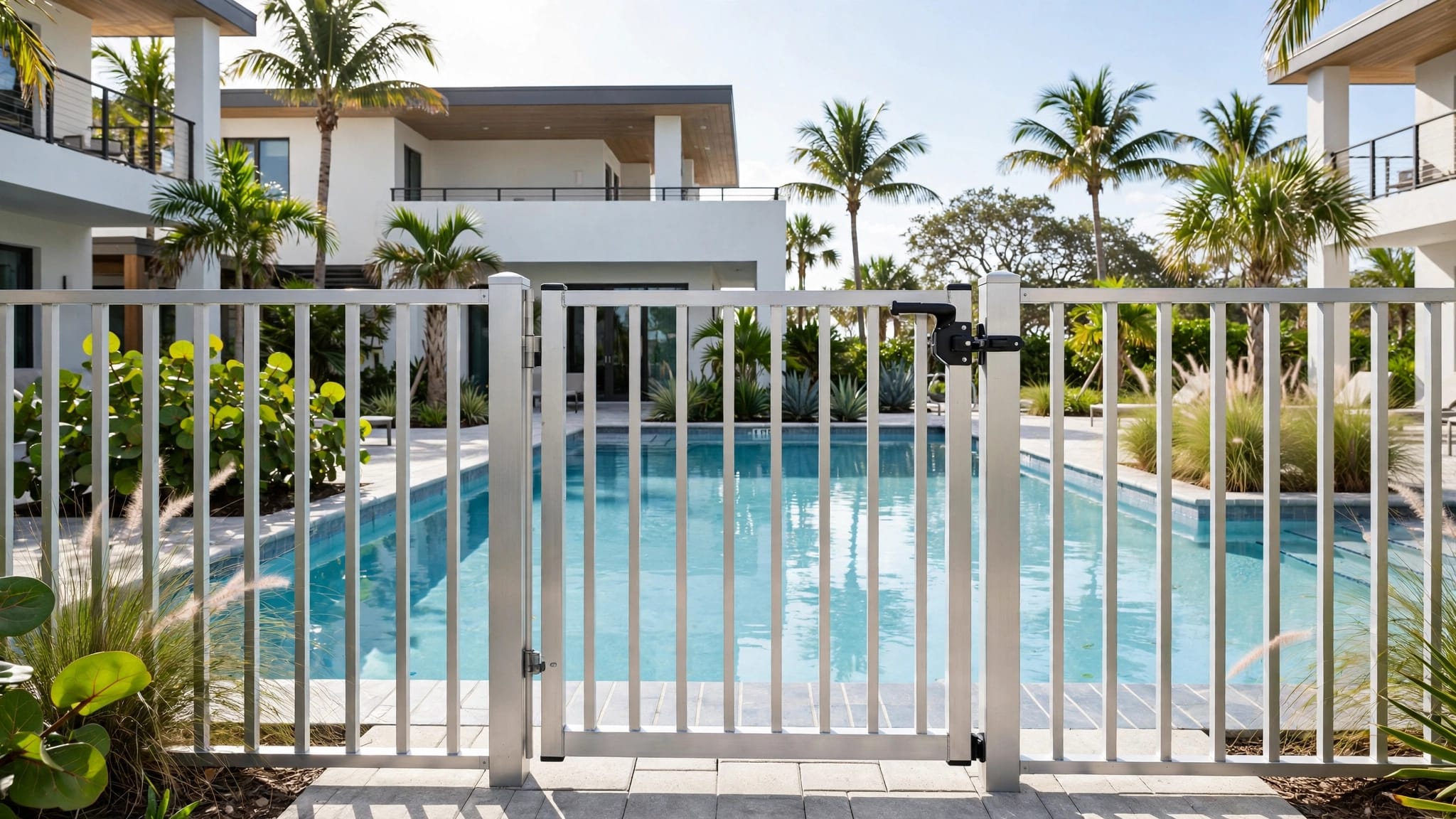
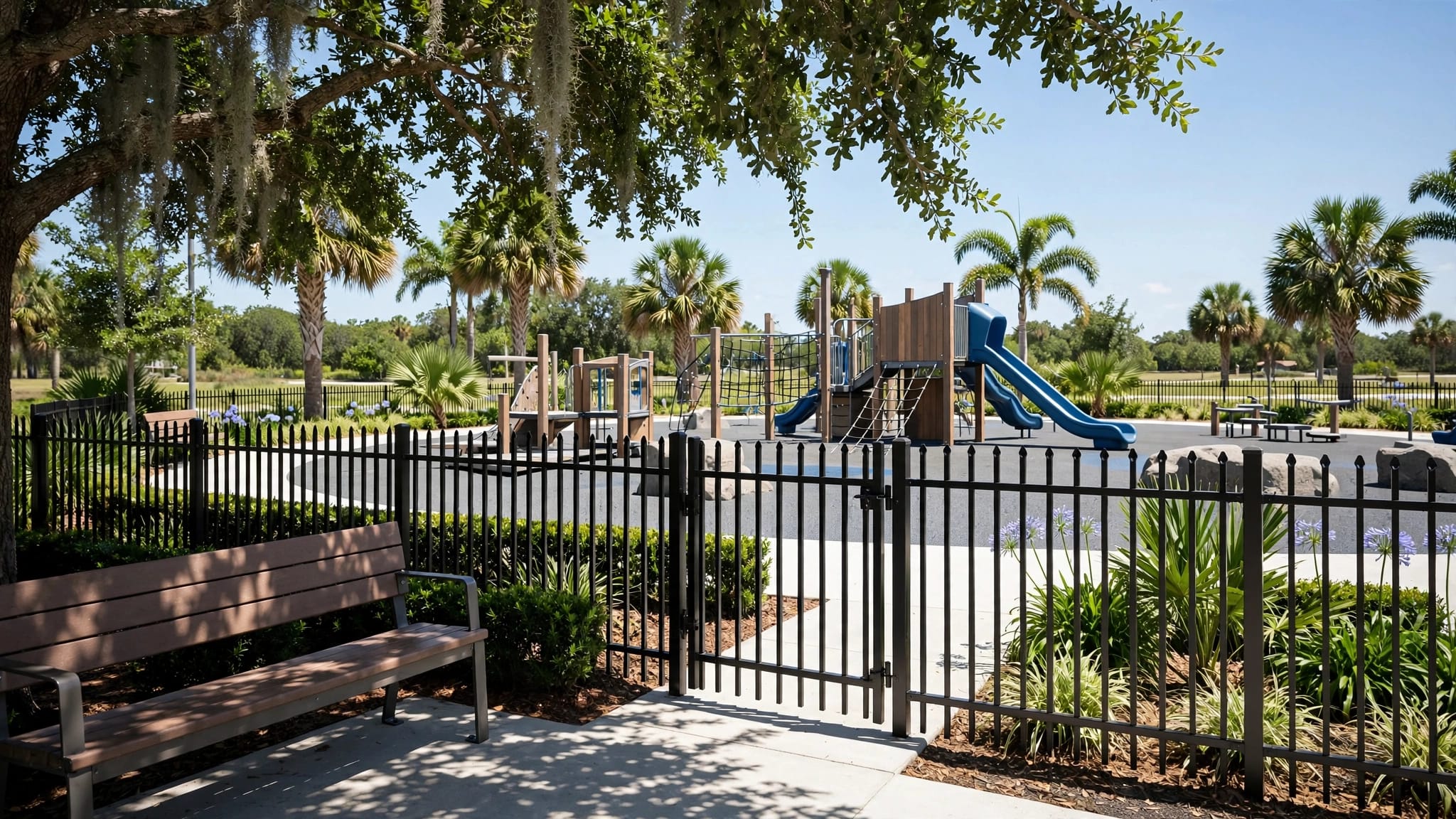
Wood remains an option if you want its appearance and are prepared for regular upkeep. For a different maintenance routine, vinyl and aluminum don't have wood posts that can decay. Each material still needs a suitable footing and secure connections, especially where panels or gates catch wind.
The site matters as much as the material. Loose fill, wet soil, nearby drains, and gate locations all affect the installation plan. For example, building a stable fence in shell fill requires attention to how the posts and footings are supported.
At Royal Fence Inc., we install wood, vinyl, aluminum, and other fencing for residential and commercial properties in Southwest Florida. We offer free estimates and consultations, so you can discuss the fence line and the conditions around it before choosing a replacement.
Protect the Part You Can't Easily See
Ground-level rot develops where moisture and soil contact meet the structural demands placed on a post. A sound-looking top doesn't guarantee a sound base.
Choose ground-contact-rated posts, keep water and landscaping from collecting around them, and inspect the ground line for softness or movement. If the structural wood is rotted, replacing the post addresses the weakness that a surface coating can't fix.