September 24, 2026
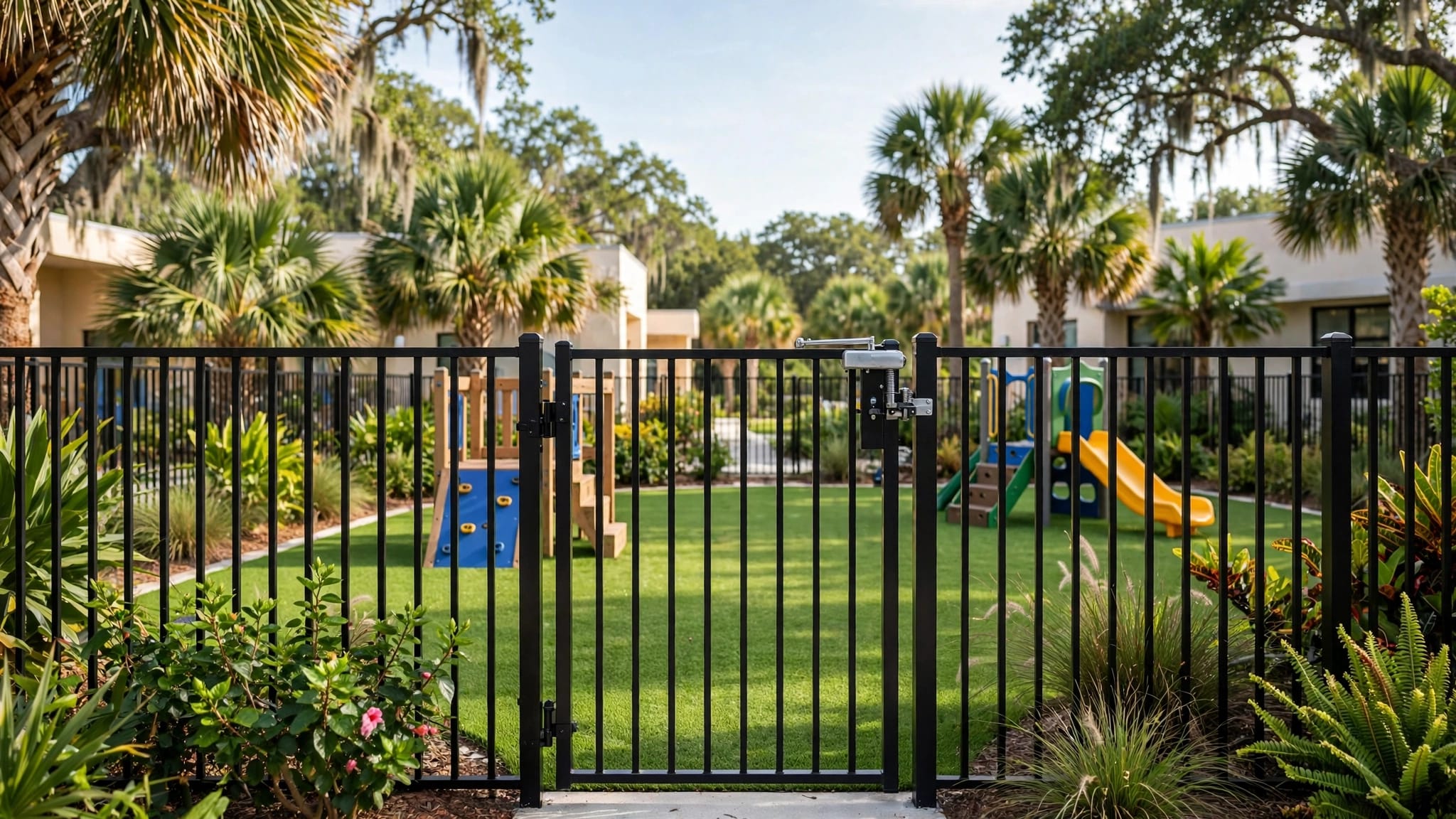
A fence can hide an outdoor charger, but it can also put a gate between a technician and the electrical disconnect. If you're planning an EV charger fence, start with access , then decide how much screening the yard needs. Required working space, manufacturer instructions, and the way you park all affect the layout.
In a Southwest Florida side yard, a few well-placed panels may work better than a tight enclosure. First, identify everything the fence must leave reachable.
Map the equipment before drawing the fence
A charging setup may include more than the unit you see beside the driveway. Walk the site with the charger location, electrical equipment, and service route in mind.
Locate the charger, panel, and disconnect
Mark the proposed or existing charger, the electrical panel, meter, and any separate disconnect. Then note which doors or covers open for service and where an electrician would stand to work. If the charger hasn't been installed, have the electrician establish its location before the fence contractor sets posts.
This order matters in a narrow side yard. Moving a fence line on a sketch is simple; moving posts after installation is expensive. A charger on the house wall may also share a route with equipment that has separate access needs.
Trace a usable route from the gate
Follow the path a technician would take from the driveway or public access point. Check gate openings, steps, landscaping, storage areas, and the space available to carry tools. Access needs to work when the gate is open, not only when it appears generous on a drawing.
For example, a gate that swings across the panel's working area can defeat an otherwise sensible layout. Also check whether the utility company needs to reach a meter or service equipment without going through a locked private area. Agree on that route before choosing the final gate position.
Where an EV charger fence can and can't go
Electrical working space is measured around equipment that needs it. It isn't a universal setback between every charger and every fence panel. The qualified electrician should identify which parts of your installation need protected working space.
Keep required working space free of posts and gates
NEC 110.26 sets working-space rules for covered electrical equipment. For equipment in the 0 to 150 volts-to-ground range, a commonly applicable minimum working-space depth is 3 feet . Other provisions address width, height, and access. The exact layout depends on the equipment, voltage, installation conditions, applicable code edition, and local authority's interpretation.
Don't treat that depth as permission to build a fence three feet from every charger. Equally, don't assume a gate makes an obstructed panel acceptable. The space must remain usable when someone needs to work. A fence post, planter, or stored trash cart can intrude even if the fence line itself seems clear. For a closer look at a related problem, see safe fence layouts around electrical panels.
Give a separate disconnect its own attention
A disconnect near the charger may be the most important item to reach quickly. Confirm its location and working-space requirements with the electrician before placing a screen or latch. A gate should open readily, without forcing someone to move a vehicle or dismantle a panel first.
A clear gap beside the charger doesn't solve an access problem if the fence blocks the disconnect.
Check the charger's instructions and cable path
Code working space and manufacturer installation instructions address different questions. Both matter. Get the manual for the exact charger model , rather than relying on a neighbor's installation or a general online clearance figure.
Preserve room for the connector and any required airflow
Tesla's Wall Connector guidance calls for ample space around the unit to loop the cable and dock the handle. It also says the cable should reach the vehicle's charge port without strain. Its outdoor mounting guidance lists a minimum height of 24 inches, measured from the ground to the bottom of the unit. That mounting height is not a fence setback .
Other equipment may have different installation requirements. Check the manufacturer's instructions for permitted mounting locations, service access, and any stated ventilation clearances. Don't put a solid screen against a vent, or assume that spaced pickets satisfy a model-specific requirement. Have the electrician confirm the proposed arrangement.
Test the layout with your usual parking position
Park where you normally charge and picture the complete cable route. The connector should reach without stretching across a gate opening, rubbing against a latch, or catching on a post. Leave enough room to return the handle to its dock after charging.
Also consider the vehicle you may use later. A port in a different corner can change the cable route considerably. Your EV charger fence should make everyday charging easier to manage, not require you to leave a gate ajar to reach the car. Keep the route clear of places where someone might drive over the cord or trip.
Make technician access part of the gate design
A fence can provide privacy while keeping the equipment serviceable. The right opening depends on what a technician must reach and how often access is needed.
Choose an opening that works in practice
A gate near the equipment is useful only if its clear opening and swing allow access. Check the space with the gate fully open, including the latch, hinges, and any post that narrows the route. The electrician may need room to stand in front of a panel, remove a charger cover, or carry replacement equipment through.
For an awkward corner, a removable section might create more working room than a narrow gate. It still needs to come out without special demolition. These fence access options for utility equipment can help you discuss the choice with your fence contractor.
Plan for access when nobody is home
Ask who may need entry: your electrician, a charging-equipment technician, the utility, or a property manager. If a gate will be locked, settle the access arrangement with the people responsible for the equipment and the local authority where required. Don't assume a removable panel behind a locked gate meets every access requirement.
Keep the approach free of bins, stacked pavers, and dense shrubs after installation. Those items can shrink a carefully planned service area over time. Check the gate periodically, too. In Southwest Florida's humid, salty conditions, a sticking latch can turn an accessible route into a frustrating one.
Pick a screen that suits the site
The fence doesn't have to surround the charger. A short return fence may block the view from a patio while leaving the service side open. Start with the sightline you want to screen, then compare materials.
Match privacy to the equipment's needs
Aluminum pickets and chain link leave the equipment visible and allow air to move through the fence. Vinyl privacy panels hide more but create a solid barrier. Louvered or spaced designs offer partial screening, though their openings don't replace a charger's stated ventilation requirements. Wood can fit an existing yard but needs closer maintenance in Florida's wet, humid weather.
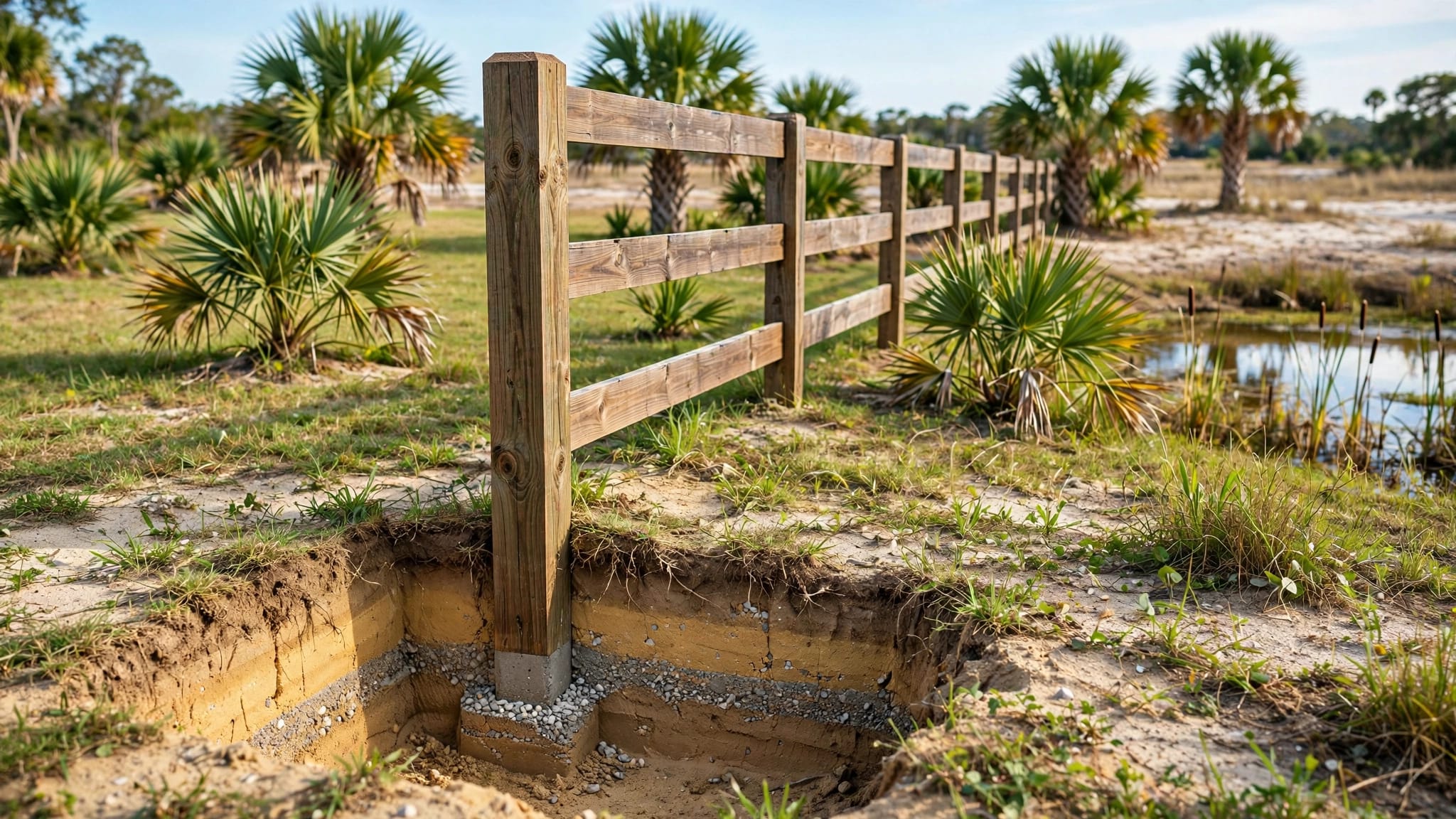
A solid panel also catches more wind than an open one. In an exposed location, ask the fence contractor about the entire installed system, including posts, footings, hinges, and corrosion-resistant hardware. These weather-resistant fencing options for equipment areas offer a useful starting point.
Leave room for maintenance around the fence
Think beyond the day of installation. You may need to wash the charger, inspect the mount, replace a cable, or repair a gate hinge. A screen tight against the unit makes those tasks harder.
Avoid routing irrigation spray toward electrical equipment. Likewise, keep climbing plants and movable planters out of the approved access space. If a privacy panel must come close to the charger, review that detail with the electrician before the fence design is finalized. A small change in the return panel's position may protect both the view and the working area.
Resolve property and permit questions before digging
Even a well-spaced enclosure can cause trouble if its posts land over buried lines or in an access easement. Southwest Florida lots often have several constraints close together, especially along side yards.
Check the survey, easements, and underground route
Review your survey for boundaries and easements. Look for visible meters, drainage features, irrigation, and the proposed electrical route. Then have underground utilities located before excavation. Public utility markings may not identify every privately installed line, so share any available site plans with the fence contractor and electrician.
On Cape Coral properties, fence planning around utility easements deserves particular care. An easement may require access even when no equipment is visible above ground. A gate or removable section may help, but confirm what the easement holder allows before building there.
Coordinate electrical and fence approvals
The City of Cape Coral's residential EV charging guideline directs applicants to its CSS portal. It lists "Electrical - Residential (1 and 2 family residences)" and the "Miscellaneous" work type for that application. That electrical process doesn't settle fence placement, height, or any HOA review.
Requirements differ across Cape Coral, Fort Myers, Estero, and Bonita Springs. Ask the local permitting authority about the fence and have a qualified electrician confirm the charger layout, applicable code, and inspection needs. Give the fence contractor the approved equipment locations and required clear areas. This keeps posts, gates, and electrical work on the same plan.
Key takeaways
- Place the charger and any associated electrical equipment on a site sketch before setting the fence line.
- Treat NEC working space, manufacturer guidance, cable reach, and access routes as separate checks.
- Test gates in their fully open position; keep disconnects and service areas reachable.
- Confirm easements, underground utilities, permits, and HOA requirements before digging.
A good EV charger fence screens the view without shrinking the space people need to charge, inspect, or repair the equipment .
FAQ
How far should a fence be from an EV charger?
There is no single fence-to-charger distance that fits every installation. The answer depends on the charger's instructions, nearby panels or disconnects, required working space, ventilation needs, and the approved site layout. Ask a qualified electrician to mark the space that must stay clear before your fence contractor sets posts.
Can I put a gate directly in front of the charger?
Possibly, if it doesn't obstruct required working space, prevent equipment doors from opening, or block technician access. Check where the gate sits when fully open and whether its latch or post interferes. The cable should also reach your parked vehicle without crossing or catching in the opening.
Conclusion
A fence that hides a charger shouldn't make it harder to use or repair. Plan around the equipment first , then choose the panels and gate that give you the privacy you want.
Before posts go in, have the electrician confirm clearances and the local authority confirm applicable requirements. That early check is easier than rebuilding a fence around an inaccessible disconnect.