July 20, 2026
A vinyl fence can look solid on a calm day, then become a broad surface for hurricane-force wind. That matters most in Southwest Florida, where privacy fences often face open yards, canals, streets, and long stretches of exposed shoreline.
Removing vinyl fence panels before a hurricane can reduce wind pressure , but it isn't the right choice for every fence. The panel design, post condition, storage space, storm forecast, and time available all affect the decision. You also shouldn't work outside once conditions become unsafe.
The right preparation starts with a careful inspection, then a practical choice between removing panels, securing them, or leaving them alone.
Key Takeaways
- Solid vinyl privacy panels catch more wind than open picket designs.
- Remove panels only when the fence system allows it and you can work safely.
- A loose, cracked, or leaning fence may need repair before the next storm.
- Strong posts and concrete footings matter as much as the panels.
- Follow local emergency instructions and avoid fence work during dangerous weather.
Why Vinyl Fence Panels Need Attention Before a Hurricane
Vinyl fencing is lightweight, which helps with normal handling and installation. During a hurricane, that same light construction can allow wind to push against panels, rails, posts, and gate hardware. The wind load doesn't stop at the panel. It transfers through the rails into the posts and then into the soil and concrete.
A six-foot solid privacy panel has a large surface area. If wind gets behind the fence, the panel can act like a sail. Open picket or decorative vinyl fencing allows more air to pass through, so it may place less pressure on posts. However, open designs still have vulnerable gates, rails, brackets, and fasteners.
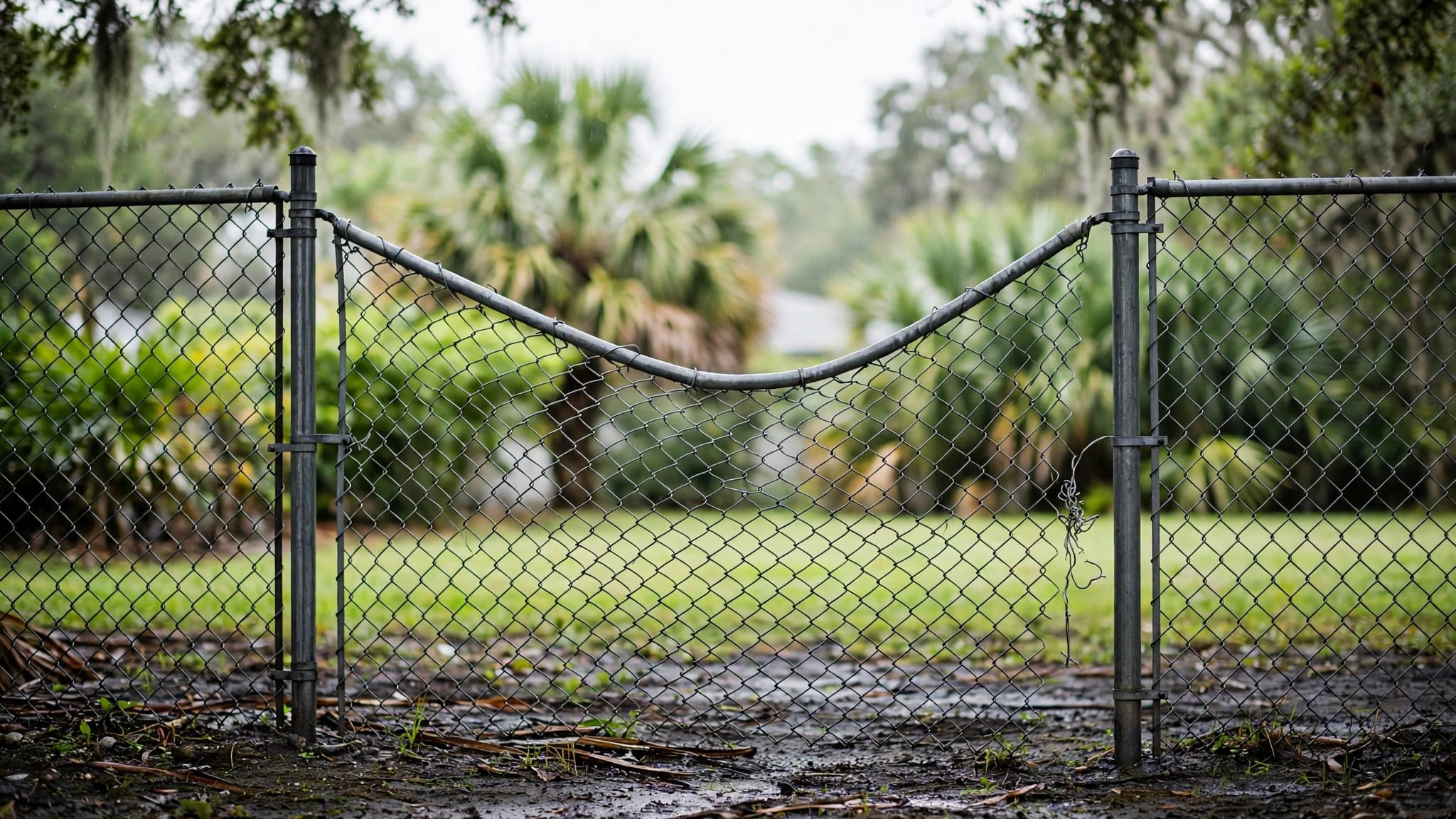
The condition of the fence also affects its storm performance. Look for cracked panels, rails that have popped loose, leaning posts, loose caps, and gates that drag or fail to latch. A panel may look intact while its routed connection or post insert has weakened.
Post installation matters just as much. Shallow footings, washed-out soil, and older concrete can leave posts unable to resist strong lateral pressure. In sandy areas around Cape Coral, Fort Myers, Estero, and Bonita Springs, drainage and soil movement can affect post stability before the storm arrives.
A useful local reference is this Cape Coral fence hurricane prep checklist, which covers panel, post, gate, and hardware inspections.
A vinyl panel is only one part of the fence system. Removing panels may lower wind pressure, but it won't correct a leaning post or damaged footing.
Should You Remove the Vinyl Fence Panels?
There isn't one answer for every vinyl fence. The safest choice depends on how the panels attach and whether you can remove them without damaging the fence.
Removing panels may make sense when:
- The fence has solid privacy panels with large, uninterrupted surfaces.
- Panels slide into rails or posts and come out without cutting, prying, or climbing.
- The manufacturer or installer designed the system for removable sections.
- You have a dry, secure place to store the panels.
- The fence sits in an exposed area with little wind protection.
- A contractor has advised removal based on the fence's condition and storm risk.
Some vinyl systems use rails that lock into posts, while others use routed panels, screws, brackets, or glued connections. A panel that appears removable may not come out cleanly. Force can crack the vinyl, bend hardware, or loosen the post.
Removal also creates a handling risk. Large panels can catch wind even before a storm arrives. Two adults may need to carry them, and a tall section can become difficult to control near walls, vehicles, pools, or landscaping.
Leaving panels in place may be better when:
- The panels are permanently assembled or difficult to access.
- Removing them would require ladders, power tools, or roof access.
- The storm is close and you can't complete the work safely.
- You have no location that can keep panels from blowing away.
- The fence is already damaged and removal could worsen the problem.
- Local officials or emergency managers advise residents to remain indoors.
Never remove fence panels while tropical-storm winds are building. Even moderate gusts can turn a vinyl section into a large, unstable object. If preparation time is short, secure loose yard items and stay off the fence rather than attempting a rushed removal.
Your material choice also matters for future projects. This comparison of vinyl and aluminum fence hurricane resistance discusses how panel openness, post embedment, concrete, and gate construction affect storm performance.
How to Remove and Store Vinyl Fence Panels Safely
If your fence allows panel removal and conditions are safe, start early. Check the forecast and leave enough time to stop if wind or rain increases. Wear gloves and eye protection, and ask another adult to help with tall or wide sections.
First, inspect the connection points. Identify whether the panels are held by rails, screws, brackets, clips, or routed channels. Take a few photos before disassembly. They can help you remember the order of the parts when you reinstall the fence.
Next, clear the work area. Move vehicles, outdoor furniture, planters, tools, and pets away from the fence. If a gate has to remain open during the work, keep children away from the area.
Remove hardware with the correct screwdriver or drill bit. Keep screws, brackets, caps, and clips in labeled containers. Don't hammer a panel out of a post or bend a rail to make it release. Vinyl can crack around connection points when it twists.
For a removable section, one person should support the panel while the other releases the connection. Keep the panel upright until you reach the storage area. Lay it flat on a clean, level surface, or support it evenly so it doesn't bow. Avoid placing heavy objects on top.
Store panels inside a garage, shed, or another protected structure whenever possible. A covered location protects the vinyl from flying debris and prevents the panels from becoming airborne. If indoor storage isn't available, use a secure method that keeps the panels restrained without crushing or puncturing them. Loose tarps and improvised tie-downs may become hazards in high wind.
Label each section by its location. Marking panels as "left side," "rear corner," or "gate side" can save time later. Keep small hardware with the matching section, since different fence bays may use different fasteners.
If you can't identify how the system comes apart, contact the installer or a qualified fence contractor. A short inspection can prevent damage that costs more than the original preparation.
What to Do When Panels Stay in Place
Many homeowners won't have a practical or safe way to remove vinyl panels. In that case, focus on the parts that can loosen or fail first.
Inspect each post by looking for movement at the ground line. Don't shake the fence aggressively, since that can worsen a weak connection. Instead, check for leaning, soil gaps, cracked concrete, or water erosion around the base.
Examine the rails and panel edges. Pressing lightly near a connection can reveal a rail that has started to pop free. Look for hairline cracks, stress whitening, warped sections, and missing caps. Damaged vinyl should receive professional attention before the next storm.
Gates deserve extra attention because they are heavier and use moving hardware. Close and latch each gate. Check whether the hinge post remains plumb, whether the latch lines up, and whether the gate sags or drags. A reinforced gate frame and sound hinges can make a major difference, but repairs depend on the system's design.
Remove or secure objects near the fence that could strike it. Patio furniture, umbrellas, trash cans, grills, loose planters, pool equipment, and construction materials can damage panels and posts. Follow instructions from your local emergency management office for storing these items.
Don't drill random holes through panels or attach ropes to vinyl rails. Improvised tie-downs can concentrate pressure in one spot and crack the material. Likewise, avoid wrapping chains around posts or using heavy straps that deform the vinyl.
A contractor may recommend temporary removal of selected sections, a gate adjustment, post repair, or no action at all. The best decision depends on the fence's actual connections and condition, not on the material name alone.
Inspect the Fence After the Storm
Wait until local officials say conditions are safe before inspecting the property. Watch for downed power lines, unstable trees, broken glass, standing water, and hidden debris. Never touch a fence that may have contacted an electrical line.
Begin with the posts and gates. A panel may be replaceable, but a shifted post can affect several sections. Check for leaning posts, cracked concrete, washed-out soil, broken inserts, and gate frames that no longer sit square.
Then inspect the panels and rails. Look for cracks near routed holes, stress marks, popped rails, bent brackets, and missing fasteners. Don't assume a fence is sound because it remains upright. Wind can weaken connections without causing an immediate collapse.
Photograph damage before making repairs. Include wide views of each fence run and close-ups of posts, hardware, and panels. Your insurance company may request documentation, and clear photos can help a contractor identify the needed parts.
Keep children and pets away from unstable sections. Don't pull down a leaning panel unless it creates an immediate hazard and you can do so without entering a dangerous area. Temporary barriers may help keep people away until repairs are complete.
Some storm damage is limited to one or two panels. Other damage involves shifted posts, repeated rail failures, or a twisted gate frame. This guide to repairing or replacing hurricane-damaged fencing can help you recognize when a small repair may not address the full problem.
Conclusion
Removing vinyl fence panels before a hurricane can reduce the surface area exposed to wind, but only when the fence is designed for safe removal and you have secure storage. If removal involves force, ladders, rising winds, or unstable sections, leave the work to a qualified contractor or skip it.
A sound preparation plan starts with the posts, rails, gates, and surrounding yard. Whether panels come down or remain in place, safety comes before storm preparation . When the weather clears, inspect every connection instead of judging the fence by appearance alone.