March 26, 2026
Hurricane season has a way of turning small fence flaws into big problems. A loose gate today can become flying debris in a summer storm.
Good Cape Coral fence prep isn't about panic. It's about spotting weak points early, fixing what matters, and leaving risky work to a licensed pro. Because hurricane season starts June 1, spring is the smart time to inspect.
If your home backs up to a canal or open lot, wind has more room to build. That means posts, gates, and hardware need a close look before summer storms arrive.
Start with this Cape Coral fence prep checklist
Walk the full fence line before you decide what needs repair or replacement. A careful 15-minute check can tell you a lot.
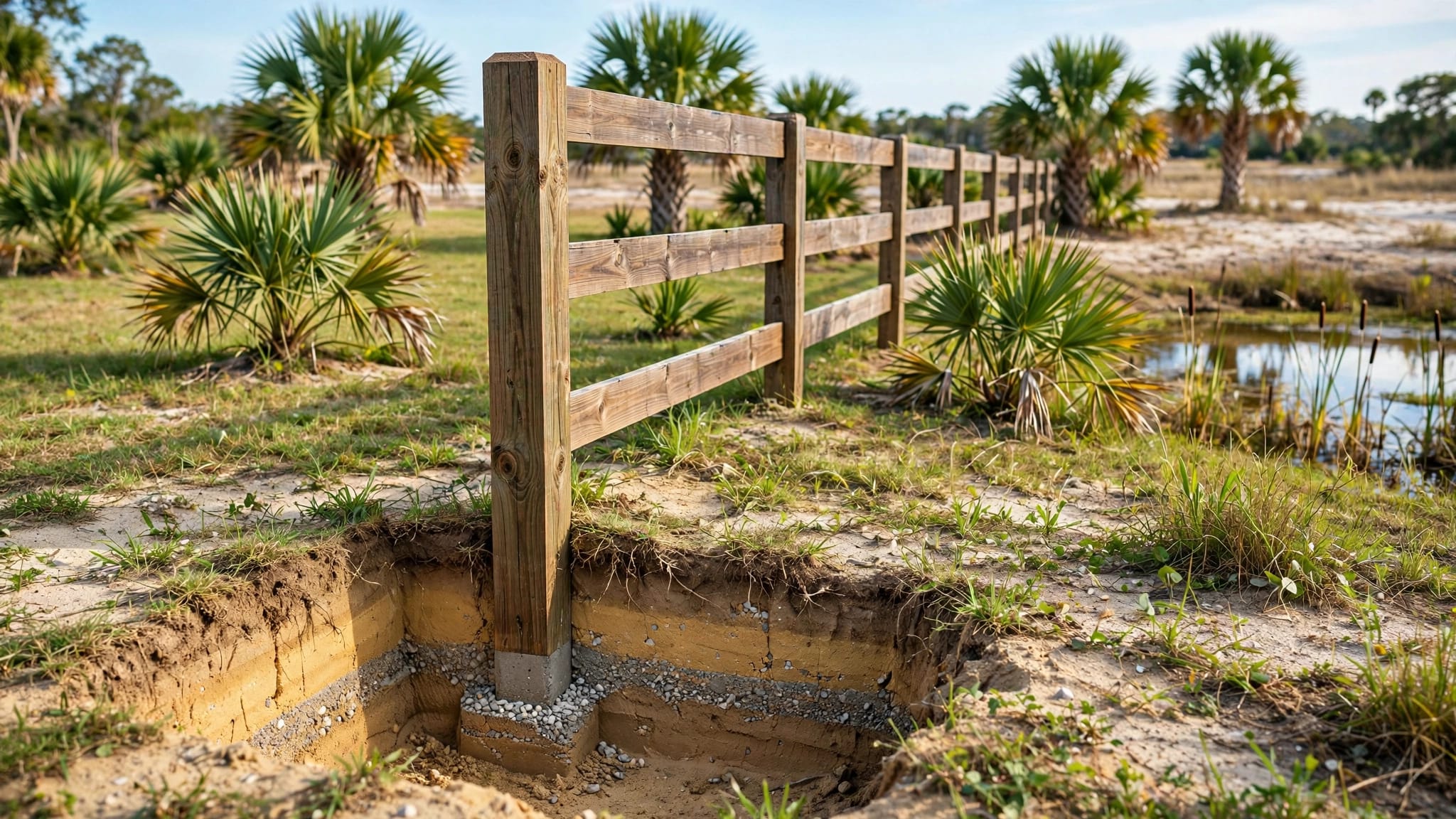
- Posts : Look for leaning, wobble, washout at the base, or cracked concrete.
- Panels and rails : Check for loose sections, popped rails, split wood, cracked vinyl, or bent aluminum pickets.
- Gates : Open and close every gate. If it drags, sags, or misses the latch, fix it now.
- Hardware : Replace rusty screws, weak brackets, loose hinges, and worn latches.
- Nearby debris : Trim dead limbs and clear loose yard items like planters, grills, toys, and decor.
- Fence finish : Touch up chipped coatings on metal fences and reseal exposed wood where needed.
- Lot details : Confirm property lines, setbacks, and easements before any major repair or replacement.
- Permits and HOA rules : In Cape Coral, installation or replacement often needs city review. HOA rules may be tighter.
- Dig safety : If posts may need resetting, call Florida 811 before anyone digs.
Most fence failures start at a post, corner, or gate, not the middle of the run.
That quick walk won't solve every problem, but it helps you sort cosmetic wear from real storm risk. It also shows whether you need a repair visit now, rather than during the first tropical watch.
Current best practice is simple. Remove anything that can fly, trim what can fall, and fix anything that already moves when it shouldn't. If you're near salt air or canal spray, pay extra attention to hardware. Hot-dipped galvanized or 316 stainless parts hold up better in coastal conditions.
If you're inside Cape Coral city limits, check city fence guidance before replacement work. If you're in unincorporated Lee County, county rules may apply instead. That's a small detail until a permit delay hits in the middle of storm season.
Fix the weak points before summer storms arrive
A fence rarely fails all at once. Usually, one tired connection gives way first.
Posts are the big one. In sandy soil, a shallow or shifting footing can slowly loosen without looking dramatic. If a post moves by hand, that's not a small issue. Wind and soaked ground will only make it worse.
Gates come next. They move every day, so they loosen faster than the rest of the fence. A gate that rubs the ground or won't latch cleanly often points to stress at the hinge post. Left alone, that weak point gets worse when gusts push and pull on it.
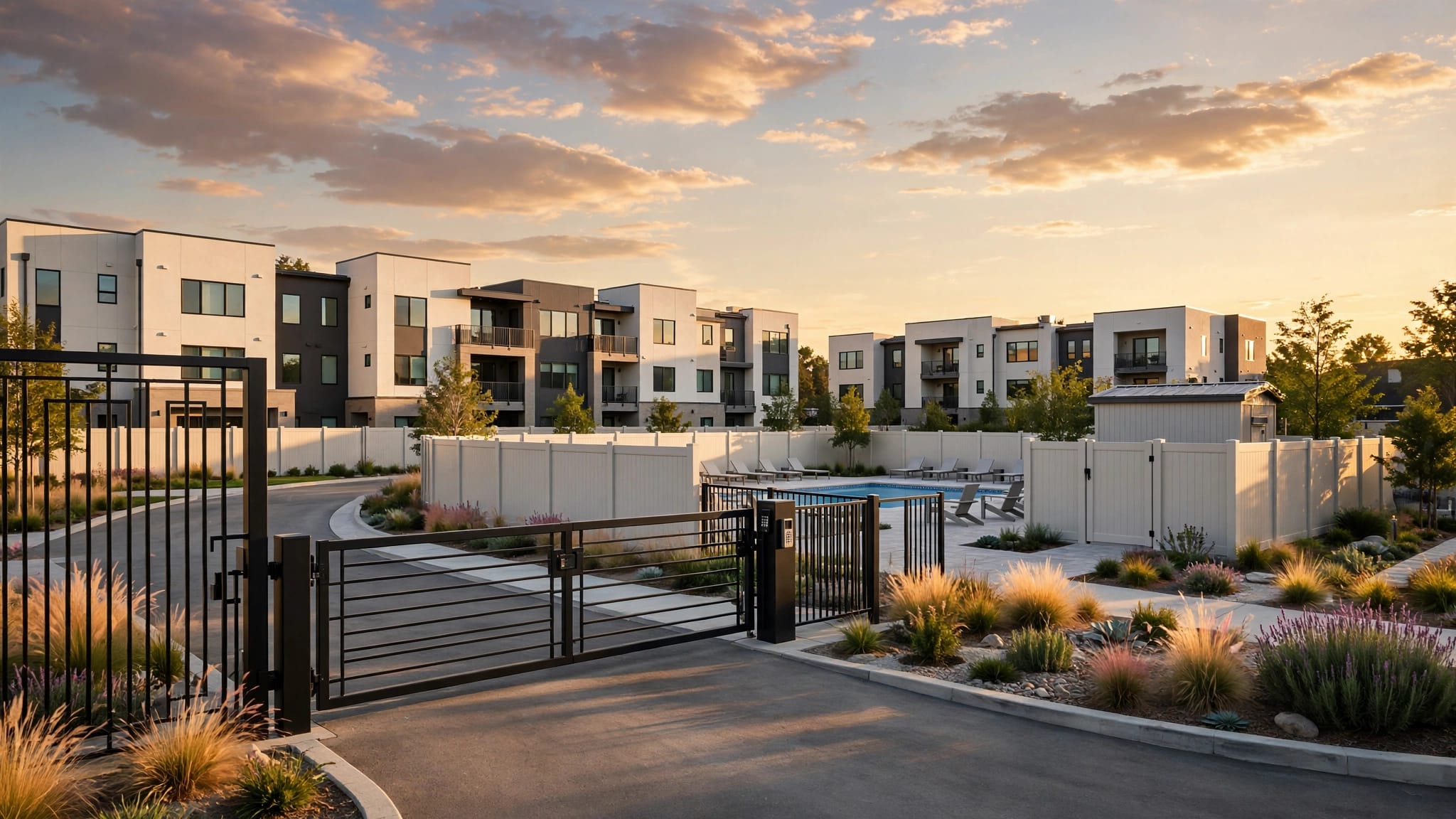
Privacy sections need extra attention because solid panels catch more wind. Think of them like sails. The larger and flatter the section, the more force the posts and fasteners must hold.
Wood fences need a close look for rot at the base, loose nails, and soft rails. Vinyl fences need checks for cracked panels, weak post inserts, and sagging gates. Aluminum fences should be inspected for loose brackets, chipped coating, and hardware wear.
Most importantly, don't save structural fixes for the last minute. Resetting posts, bracing long runs, or rehanging a heavy gate isn't a smart rush job when storms are already near. If a section leans, a footing is exposed, or a gate post has shifted, call a licensed fence contractor well before watches and warnings start.
If prep turns into repair planning, this Cape Coral fence repair homeowner guide can help you sort minor issues from larger ones.
Match your storm prep to your fence material
Not every fence handles wind the same way, so your prep should match the material you own.
Aluminum usually gives wind less to grab. Its open design lets air pass through, which is why many Cape Coral homeowners like it for storm-prone lots. Welded panels, braced gates, and corrosion-resistant hardware make a big difference over time. If you're comparing styles, these hurricane-resistant fencing options for Cape Coral are a smart place to start.
Vinyl can still be a strong choice, especially when privacy matters. The catch is simple, solid panels catch more wind. That's why stronger posts, deeper concrete footings, and reinforced gates matter so much. Lighter, budget-grade systems tend to show problems sooner. For a local material breakdown, see the best fence for Cape Coral storms, vinyl vs aluminum.
Wood needs the closest watch before hurricane season. Moisture, heat, and salt can loosen fasteners and weaken boards over time. If you see rot near the ground or a rail pulling loose, replace that part before storm season, not after.
No matter the material, use compatible metals. Mixing bare steel with aluminum can speed up corrosion in salty air. Also keep hardware moving freely. A latch that sticks or a hinge that binds often means more stress is building than you can see.
The bottom line is simple. Material matters, but build quality matters more. Sound posts, firm gates, and good hardware do more for storm prep than a fresh-looking panel.
A fence doesn't need to look terrible to be one storm away from trouble. Start with a careful walk, fix the weak points early, and leave major structural work to a pro while the weather is still calm. Cape Coral fence prep is really about lowering risk, not chasing perfection. When your fence stands straight, latches cleanly, and sheds wind better, your yard is in much better shape for the season ahead.