July 19, 2026
Concrete can look solid long before it can handle a working gate. For most installations, wait 48 to 72 hours before hanging a light gate, seven days before installing a standard residential gate, and about 28 days before loading a heavy, wide, double, or automated gate , unless the concrete manufacturer gives different instructions.
The right fence footing cure time matters because gate hinge posts carry more stress than ordinary fence posts. Every opening and closing cycle creates leverage, movement, and impact at the footing. Waiting the proper amount of time helps prevent leaning posts, cracked concrete, sagging gates, and latch problems.
Key Takeaways
- Light gates may be ready after 48 to 72 hours in favorable conditions.
- Most standard residential gates need at least seven days before installation.
- Heavy, wide, double, and automated gates should usually wait 28 days.
- Cold, wet, shaded, or poorly drained conditions can extend curing time.
- Gate hinge posts need stronger footings because they handle greater leverage and dynamic loads.
Recommended Concrete Cure Times for Gate Posts
Concrete doesn't become fully strong the moment it hardens. During curing, cement reacts with water and gradually develops strength. The surface may feel firm after a day, but the footing underneath still needs time to support the post and gate hardware.
For a light pedestrian gate , 48 to 72 hours may be enough when temperatures are moderate, the mix is suitable, and the footing has remained undisturbed. This shorter period applies to a small gate with limited weight and minimal leverage. Even then, the post shouldn't move when you apply gentle hand pressure.
A typical single residential gate should usually wait at least seven days before installation. This includes common vinyl, aluminum, wood, and chain link gates with standard widths and hardware. The concrete has gained more strength by this point, but installers should still inspect the footing and post before adding the gate.
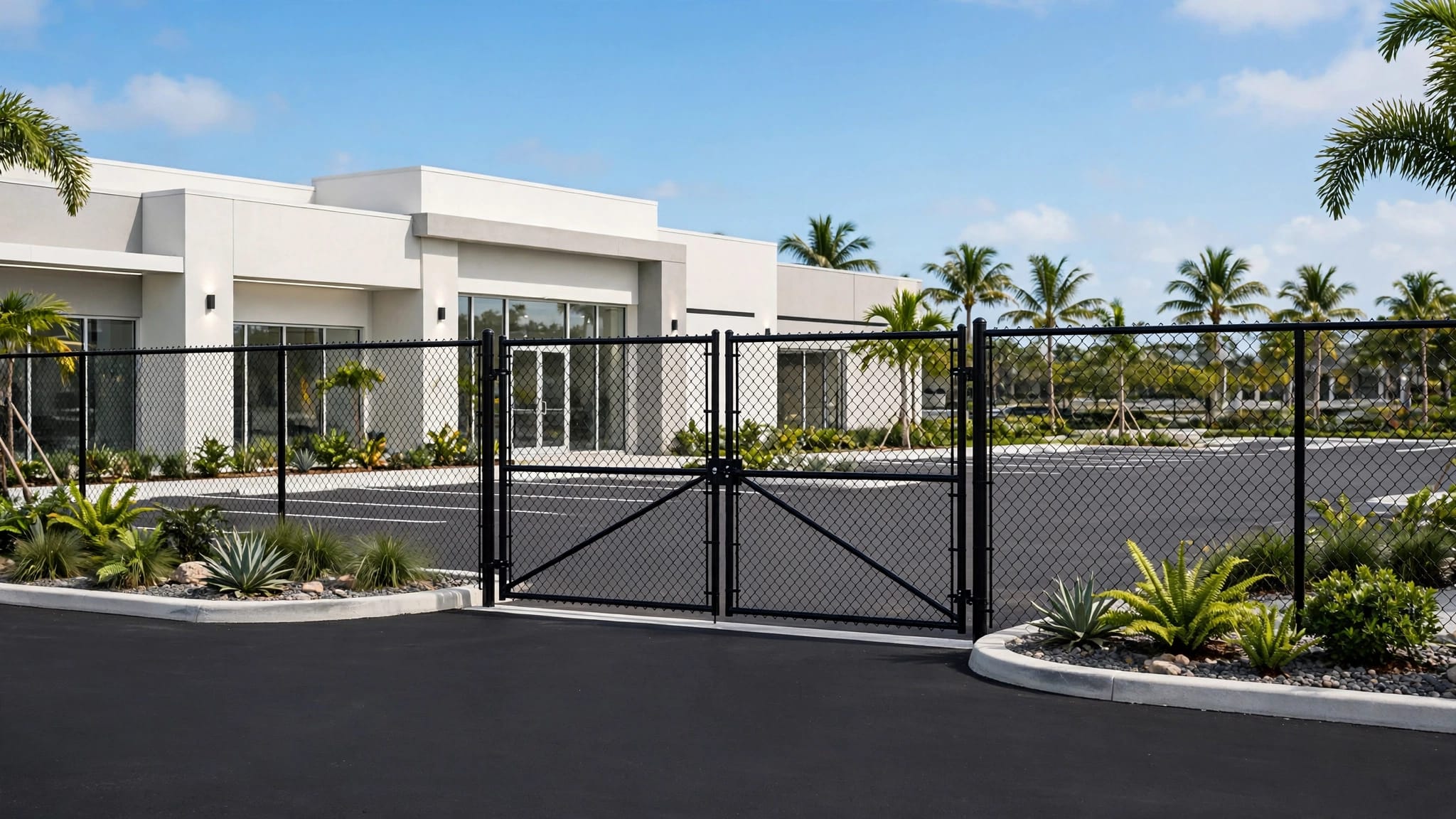
Heavy gates require more patience. A wide wood gate, solid privacy gate, double driveway gate, or steel gate places greater force on the hinge posts. An automated gate adds motor force and repeated movement. For these installations, 28 days is the safer target because concrete commonly reaches its specified design strength at that stage.
The exact timing depends on the concrete product, footing size, post material, gate dimensions, and soil conditions. A fast-setting concrete mix may allow earlier loading, while a product label may require a specific waiting period. Always follow the manufacturer's curing instructions when they differ from general guidelines.
A post can feel firm while the footing remains too weak for a heavy gate. Surface hardness isn't the same as structural strength.
Why Gate Hinge Posts Need More Cure Time
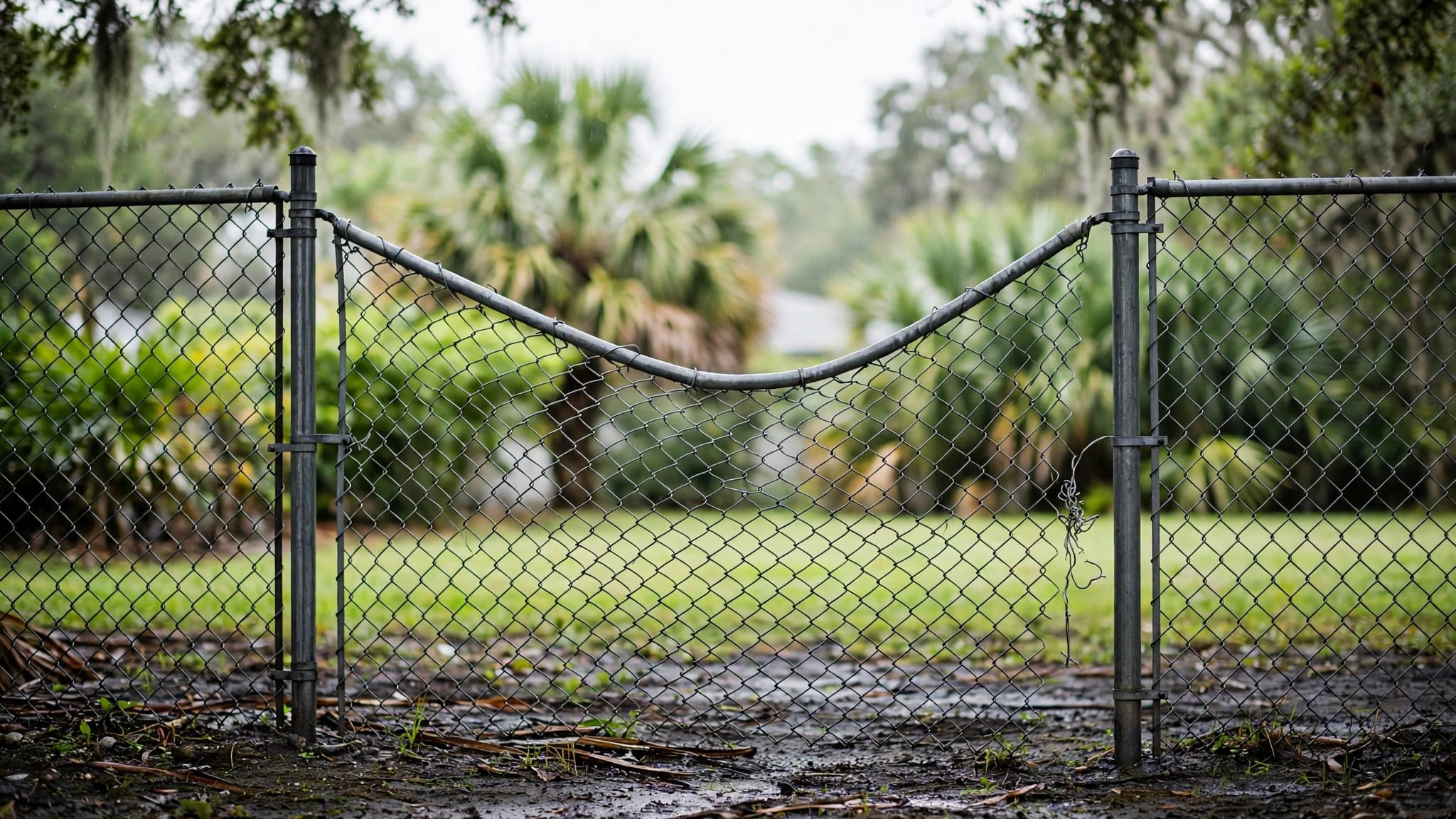
A regular fence post mainly supports the fence panel beside it. A gate hinge post carries the gate's full weight, plus the force created when that weight hangs away from the post. The farther the gate extends from the hinge line, the more leverage it places on the footing.
Opening and closing also creates dynamic loads. A person may swing a gate quickly, stop it against the latch, or push it while the hinges resist. Wind can add more force, especially to solid vinyl, wood, and privacy gates. A double driveway gate may transfer additional stress through its hinges, drop rods, and center connection.
Automated gates place repeated loads on the posts. Motors start, stop, and pull the gate through its travel path. If the footing shifts slightly, the gate can lose alignment and place extra pressure on the hinges, operator, rollers, or latch.
The soil around the footing matters too. Loose fill, sandy ground, poor drainage, or recently disturbed soil can allow movement even when the concrete has cured properly. In Southwest Florida, heavy rain can soften surrounding soil, while hot weather can dry the concrete surface faster than the interior. Neither condition supports a rushed installation.
For a new residential fence, work with a contractor that understands both the fence line and the gate opening. Royal Fence provides residential fencing installation services in Cape Coral, Fort Myers, Estero, and Bonita Springs, including common fence materials used around homes.
Conditions That Can Extend Fence Footing Cure Time
Temperature is one of the biggest factors in concrete curing. Warm conditions usually support faster strength development, but extreme heat can cause the surface to dry too quickly. Rapid moisture loss can weaken the curing process and contribute to surface cracking.
Cold weather slows the chemical reaction that gives concrete its strength. If temperatures remain low, wait longer than the standard 48-hour, seven-day, or 28-day targets. Concrete exposed to freezing conditions before it gains enough strength can suffer permanent damage.
Rain requires careful judgment. Light rain after the concrete has begun setting may not cause a problem, but heavy rain soon after placement can wash cement from the surface or fill an open footing. Saturated soil can also reduce support around the post. Keep the gate off the post until both the concrete and surrounding ground are stable.
Shaded areas may cure more slowly than sunny locations. Deep footings, large concrete pours, and high-moisture mixes also take longer to develop strength. The footing's size matters because a larger mass of concrete may retain moisture and heat differently than a small post hole.
Ask the installer to account for:
- The concrete product and its printed cure instructions
- Daily temperatures and overnight conditions
- Recent or expected rainfall
- Gate width, weight, and surface area
- Soil type and drainage around each hinge post
- Whether the gate will use an automatic operator
When conditions are uncertain, adding several days is safer than installing early. Replacing a misaligned gate or rebuilding a damaged footing costs more than waiting.
How to Tell When a Gate Post Is Ready
Time alone doesn't answer every curing question. Before installation, inspect the post and footing for movement, cracks, washout, or soft soil. The post should remain plumb when you apply light pressure by hand.
Check that the concrete has filled the footing without visible voids. The top should be firm, and water shouldn't pool around the post. If rain exposed loose aggregate or washed away cement paste, the footing may need professional evaluation before hardware is installed.
Gate hardware should also be installed without forcing the post out of alignment. Once the hinges are attached, open the gate slowly and watch the posts. Any rocking, shifting, or sudden sagging indicates a problem that needs attention before regular use.
For light gates, a contractor may approve installation after 48 to 72 hours. Standard residential gates generally need seven days. Heavy, wide, double, and automated gates should normally wait 28 days unless the concrete manufacturer or project specifications allow a different schedule.
Conclusion
The correct gate installation schedule depends on more than whether the concrete feels hard. Wait 48 to 72 hours for a light gate, seven days for most standard residential gates, and 28 days for heavy or automated gates unless product instructions state otherwise.
Because hinge posts handle greater leverage and repeated loads, rushing the fence footing cure time can lead to movement and costly repairs. In hot, rainy, or cold conditions, give the concrete extra time and inspect the footing before adding the gate.