April 26, 2026
Ever notice how a new fence sags or floods after the first big rain? That often starts with the wrong gap between the bottom rail and your yard. In Cape Coral, where sandy soil shifts and storms dump inches of water overnight, Cape Coral fence clearance keeps things stable and dry.
Homeowners here deal with flat lots, canals, and pool rules that demand precision. Get it wrong, and you face rot, code fails, or neighbor complaints. The good news? Simple ranges work for most setups. You just need to match the gap to your yard's quirks.
Let's break down the ideal bottom gaps so your fence lasts.
Why Bottom Gaps Matter in Cape Coral Yards
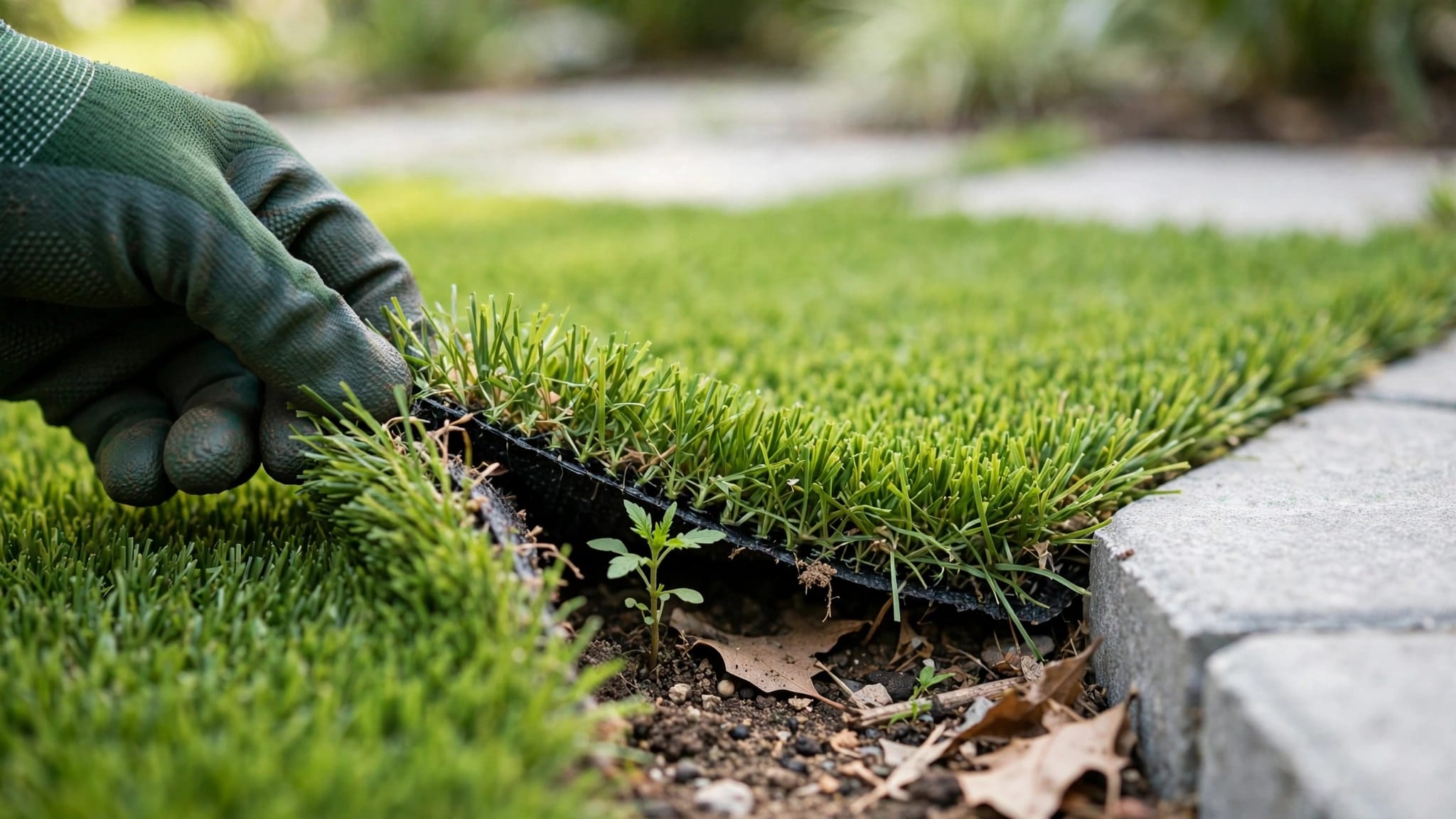
A fence's ground clearance prevents more than puddles. Water pools under tight panels, rots wood fast, or warps vinyl over time. Small animals sneak in too, chewing plants or worse.
Think of it like shoes with no sole. Too low, and mud sucks them down. Cape Coral's humid air and frequent rains make elevation key. Crews often aim for gaps that let grass trim easy but block rabbits.
Shifting sand changes everything. After a storm, soil erodes, dropping the grade by an inch or two. A smart gap absorbs that without dragging panels. It also aids airflow, cutting mildew on privacy styles.
Local installers check this during layout. They measure from the lowest spot, not averages. Poor clearance leads to common violations like blocked drainage paths. Result? Fines or redo work.
Typical Clearance Ranges for Residential Fences
Most Cape Coral fences sit with a 1- to 4-inch bottom gap. Privacy vinyl or wood often uses 1-2 inches for a clean look. That hides weeds and keeps pets in.
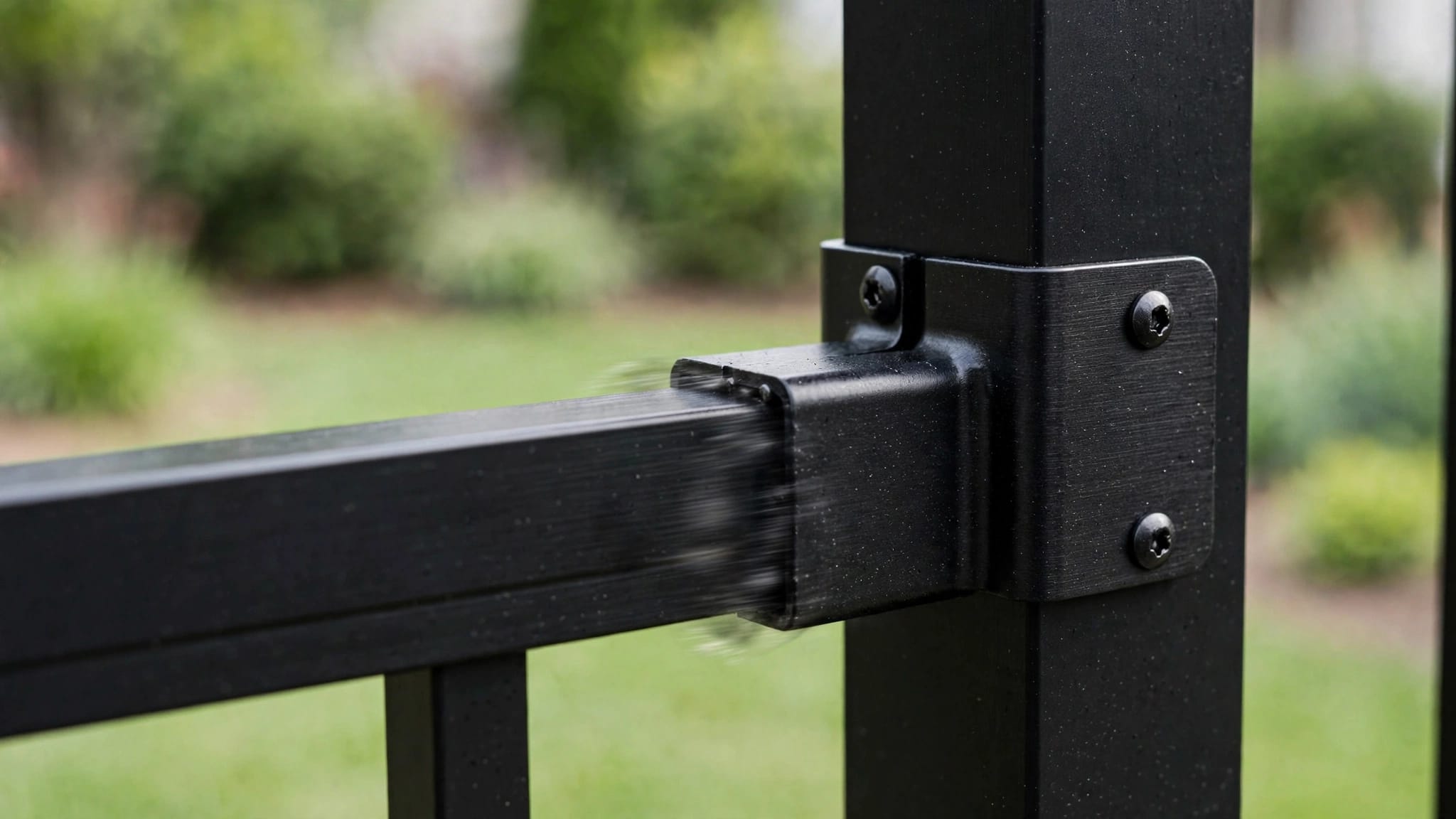
Chain link or aluminum pickets go higher, around 2-4 inches. Why? They flex less in wind, and gaps let debris blow through.
Here's a quick comparison for standard setups:
| Fence Type | Recommended Gap | Best For |
|---|---|---|
| Privacy Vinyl | 1-2 inches | Flat yards, neat trim |
| Wood Panel | 2-3 inches | Some slope, airflow |
| Chain Link | 3-4 inches | Drainage, open views |
| Aluminum | 2-4 inches | Pools, wind resistance |
These fit most backyards. Adjust up on slopes. For example, a gentle swale might need 4-6 inches to guide runoff. Always measure post-install and tweak if soil settles.
Pool Fence Clearance: No Room for Error
Pools change the game. Florida code caps bottom clearance at 2 inches maximum from the lowest grade point. Inspectors slide a 2-inch block under; if it fits easy, you fail.
This keeps toddlers out. A 4-inch sphere can't pass vertical gaps either. Cape Coral follows state rules tight, with self-closing gates at 54 inches latch height.
Rackable aluminum shines here. Panels follow contours, holding that 2-inch limit on uneven pool decks. Solid privacy won't cut it unless mesh tops the upper half.
After settling, recheck. Pavers shift; sand fills gaps. For details on Cape Coral pool fence rules in 2026, see local guidelines. Non-pool fences skip this strictness but borrow the habit.
Managing Slopes, Drainage, and Wet Conditions
Cape Coral lots drain slow. Swales carry street water; block them, and your yard floods. Elevate fence bottoms 4-6 inches in low spots. Gravel under posts drains fast.
On slopes, step panels instead of racking tight. Each step keeps consistent clearance while following grade. This avoids stress cracks from ground pull.
Wet yards need planning. Grade soil away at 1-2% slope, then set gravel trenches parallel to the fence. For Cape Coral fence drainage tips for wet yards, focus on elevation first.
Canals add rules. Rear fences within 20 feet must stay open mesh above 3 feet. Gaps stay standard below that. Test runoff after rain; adjust gates to avoid pooling.
Codes, HOAs, Materials, and When to Call Pros
No single number rules all. City permits need site plans showing gaps, especially near easements. Check the Cape Coral fence permit checklist for 2026.
HOAs push tighter. Some demand 1-inch max or "finished side out." Vinyl resists rot best; wood needs bigger gaps.
Material sways choices. Heavy privacy demands more airflow; light pickets hug closer.
Doubtful? Ask your contractor during quote. They survey grade and pull permits. Or call Cape Coral building department. Better safe than scraping a failed install.
Wrapping It Up
Aim for 1-4 inches on flat yards, up to 6 on wet slopes, and 2 max for pools. Match your fence to the terrain, check codes, and measure twice.
Your Cape Coral fence will stand strong through storms. It blocks views, holds pets, and drains clean. Pick the right gap now; skip headaches later.
Ready for yours? Local crews handle the details right.