February 4, 2026
A pool should feel like a backyard getaway, not a source of worry. In Cape Coral, the rules around a Cape Coral pool fence are built for one thing: keeping kids from getting to the water when no one’s looking.
As of February 2026, the core pool barrier requirements still follow Florida’s statewide safety standards, plus local permitting and inspection steps. Below is a plain-English guide to the measurements inspectors check most, the gate hardware that trips people up, and a few field tips that can save you a failed inspection.
What rules actually control a Cape Coral pool fence in 2026?
Most homeowners hear “pool fence code” and assume it’s just one rule. It’s not. In practice, your project is shaped by three layers:
Florida’s pool safety law (Florida Statutes Chapter 515) sets the baseline for residential pool barriers and safety features. The Florida Building Code (Residential) mirrors those requirements for barrier design and how it’s measured in the field. A clear overview of the state barrier standards and how they’re applied is summarized in this Florida Building Code swimming pool barrier requirements guide.
Then there’s the local process. Cape Coral generally requires permits for fences, and pool barriers are not treated as “just landscaping.” The City’s paperwork and plan needs are outlined in the Cape Coral residential fence permit guidelines. If you’re building a new pool or modifying one, the broader permitting workflow (including how inspections are requested) is also useful context, even for Cape Coral homeowners, because Lee County’s guidance explains the steps clearly in this Lee County pool permitting guide.
Finally, zoning and screening rules can apply depending on where the pool sits (corner lots, side yards, waterfront parcels). The city’s development rules are published in the Cape Coral Land Development Ordinance.
If you want a contractor-focused breakdown that stays practical, see this Cape Coral pool fence requirements guide for a local installation perspective.
Quick disclaimer: requirements can vary by permit date, pool type, lot layout, and whether the home is part of the barrier. Confirm your exact requirements with the City of Cape Coral building department and inspections before you buy materials or set posts.
2026 minimum height, spacing, and “non-climbable” details inspectors measure
Pool barrier inspections aren’t subjective. Inspectors measure, tug, and test. The most common failures come from gaps that grew after settling, gate alignment issues, and designs that accidentally create footholds.
Here are the core measurements that come up again and again:
| Item inspectors check | Requirement (inches) | How it’s measured in the field |
|---|---|---|
| Barrier height | Minimum 48 inches | From finished grade outside the barrier to the top |
| Vertical openings | Maximum 4 inches | A 4-inch sphere should not pass through |
| Clearance at bottom | Maximum 2 inches | From grade to the bottom of the fence at the lowest point |
| Climb resistance | Keep climb aids out of reach (commonly referenced as 45 inches for nearby horizontals) | Looks for footholds, rails, or objects that make climbing easier |
That last line is the one homeowners don’t expect. Even if your picket spacing is perfect, a “climbable” layout can fail. Horizontal rails on the outside, decorative elements that create a ladder effect, or a nearby object that acts like a step can turn a compliant fence into an easy climb.
A real-world example: a pool fence passes on day one, then a homeowner places a storage bench next to it. Now a toddler can step up, and the barrier isn’t doing its job. During final inspection, keep the area around the barrier clear. Move planters, coolers, benches, and decorative boulders away from the fence line.
Material choice matters too, not just for looks, but for consistent spacing and long-term alignment. For many Southwest Florida homes, aluminum is popular because it holds its shape and hardware stays consistent. If you’re weighing options, here are aluminum fencing options for Cape Coral homes that are commonly used for pool barriers.
Gate hardware rules (and the inspection tips that prevent rework)
Think of your pool gate like the “front door” to the water. If it doesn’t close and latch every single time, the rest of the barrier doesn’t matter.
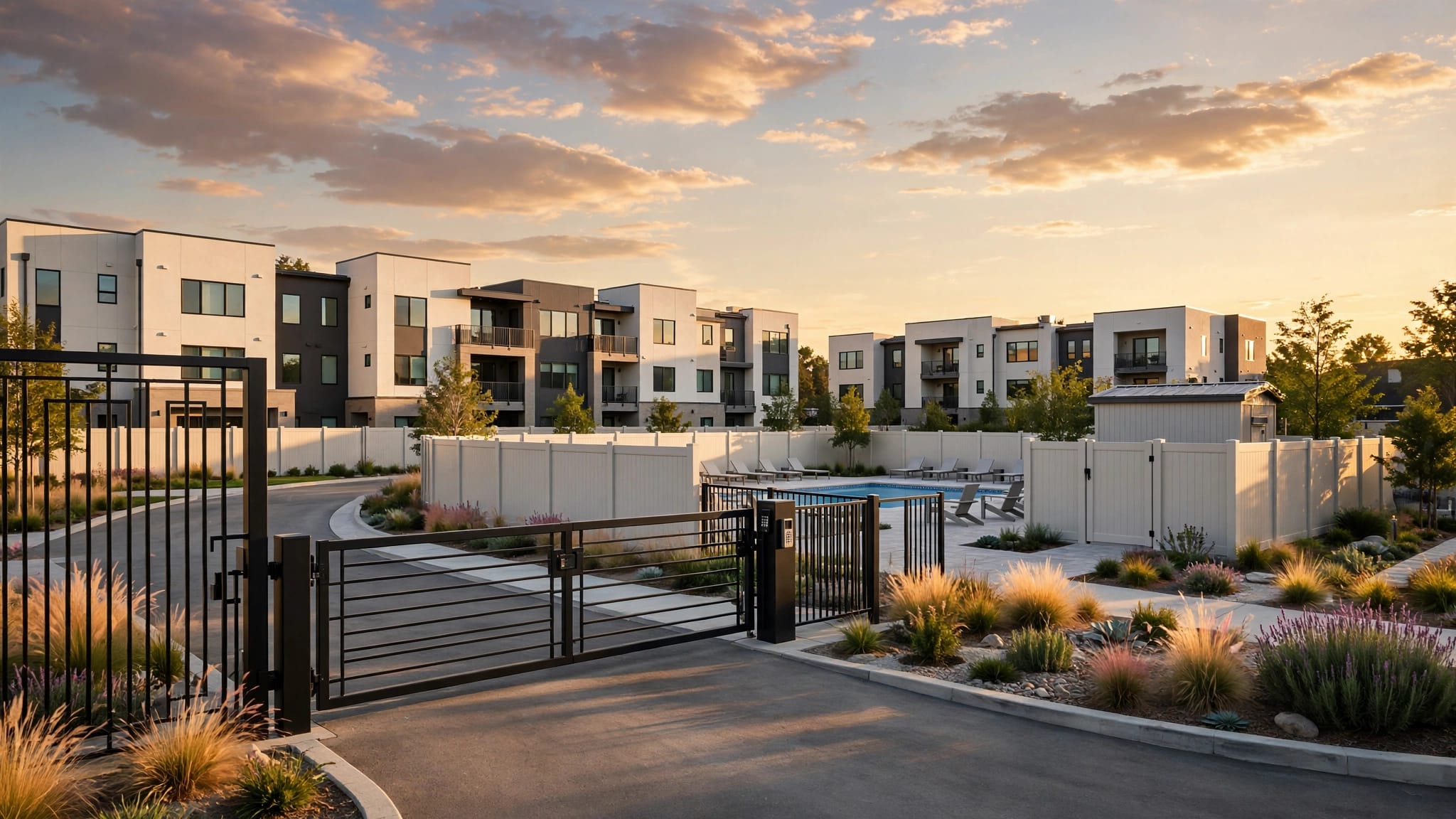
At minimum, pool gates are typically required to be self-closing and self-latching , and they’re commonly required to swing outward away from the pool . Latches are also placed high to keep them out of a child’s reach, commonly referenced as minimum 45 inches to the release mechanism.
The tricky part is that gates can look fine and still fail when tested. Wind, hinge tension, sag, and paver settling can all change how the latch hits the strike.
Before you schedule your inspection, walk through these field checks:
- Test the “no-hands close.” Open the gate halfway, then let go. It should close fully and latch without help.
- Check multiple swing positions. Open it 6 inches, 12 inches, and fully open. A good setup latches every time.
- Confirm swing direction. If the approved plan calls for an outward swing, don’t assume it’s optional.
- Measure latch height. Confirm the latch release is at the required height (in inches) on the outside face.
- Look for gate sag. Push up on the latch side. If it lifts easily, hinge adjustment or a stronger post may be needed.
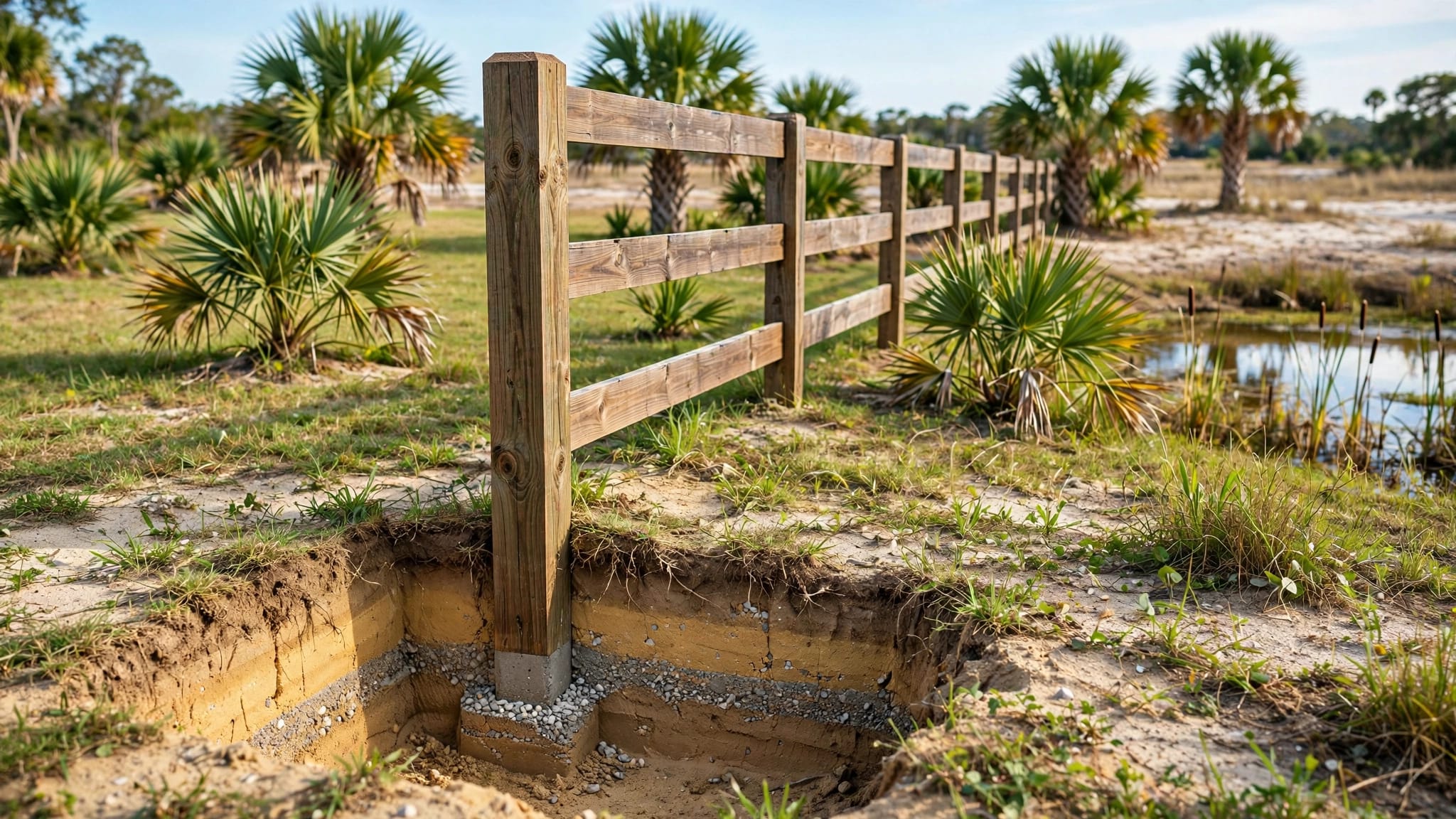
- Re-check the bottom gap after settling. Sand, soil, and pavers move. A maximum 2-inch bottom clearance means you should measure at the lowest spot, not the highest.
- Clear the “climb zone.” Remove anything a child could drag over, and keep permanent features (like equipment pads or planter ledges) from acting like steps.
- Operate it like a kid would. Pull, push, rattle. Inspectors often do.
One more detail that surprises people: if your home is part of the pool barrier , extra protection like alarms may be required under Florida’s pool safety framework. That’s one reason many homeowners choose a separate, fully enclosed fence line around the pool instead of relying on doors and windows as part of the barrier system.
Conclusion
Cape Coral pool barrier rules in 2026 still come down to clear, measurable safety basics: minimum 48-inch height, tight spacing, limited bottom clearance, and a gate that closes and latches every time. If you measure carefully, keep the fence line non-climbable, and test your gate like an inspector would, you’ll avoid the most common failed inspections.
Because details can change based on permit date and property layout, confirm requirements with the City of Cape Coral before installation. A properly built Cape Coral pool fence is peace of mind you can see and feel every day.