February 8, 2026
A fence should feel like a simple upgrade, until the HOA asks for “more detail” and your project stalls for weeks. In 2026, Cape Coral HOA fence rules still come down to the same thing: can the ARC (Architectural Review Committee) confirm, quickly and clearly, that your fence matches community standards and won’t create city code issues?
The good news is that most rejections aren’t about the fence itself. They’re about a thin packet, missing measurements, unclear property lines, or a design that ignores canal and corner lot limits. This guide breaks down what typically moves fast, what gets kicked back, and how to submit a packet that’s easy to approve.
How Cape Coral HOA fence approvals work in 2026 (ARC vs city permit)
Most HOAs in Cape Coral require ARC approval before you apply for the city permit . Think of it like getting a green light from your neighborhood first, then getting the official stamp from the city. If you reverse the order, many HOAs won’t even review your request.
On the city side, Cape Coral is clear that fences require permitting, and the city publishes fence submittal requirements and site plan expectations. Start by pulling the city’s current forms and guidance from the Cape Coral Permit Document Center. For fence-specific details (site plan items, who can apply, when a Notice of Commencement is needed), review the city’s Residential fence permit guidelines PDF.
What the ARC is checking (even when they don’t say it)
ARC members usually aren’t trying to redesign your yard. They’re scanning for fast “yes” signals:
- The fence matches the approved styles and colors already used in the community.
- The drawing shows exact locations and linear footage , not a rough sketch.
- The layout respects property lines, easements, and drainage paths .
- Gates look safe and consistent with the fence (hardware details matter more than people think).
If you’re hiring a pro, choose someone who’s used to HOA packets and permitting in Cape Coral. A good installer will also help you avoid costly back-and-forth; use this Cape Coral fence contractor vetting checklist before you sign anything.
Fence designs that sail through, and the ones that get denied
ARC approvals tend to move in bursts. Some applications get approved at the next meeting. Others bounce for months, usually for predictable reasons.
What gets approved fast in many Cape Coral HOAs
Fast approvals usually look boring on paper, and that’s a compliment.
- Exact match to neighborhood standard : Same height, same color, same picket spacing, same post caps.
- Backyard privacy at typical height : Many HOAs allow 6-foot backyard fences, especially when they match existing installs.
- Open fencing on water or view lots : Canal lots often face extra scrutiny, and “see-through” styles are commonly favored.
- Clear corner lot compliance : If your drawing respects visibility areas near the street, approvals move quicker.
- Hurricane-practical choices : Designs that allow wind to pass through can reduce pushback in storm-prone areas. If you’re comparing materials with that in mind, see these hurricane-resistant fencing options for Cape Coral homes.
What gets rejected (or delayed) again and again
Most “denials” are really “resubmit with corrections.” Here’s what triggers them:
- Wrong placement in the front area : Cape Coral rules restrict fences in front of the home’s frontmost point in many cases, and HOAs often mirror that standard or go stricter (confirm with your community and the city guidance).
- Missing property lines or easements : If the ARC can’t see setbacks from side and rear lines, they won’t guess.
- Canal lot mistakes : Solid fencing on a waterway lot can get flagged. City guidance can also require more open design elements near waterways (review the city PDF before you choose a style).
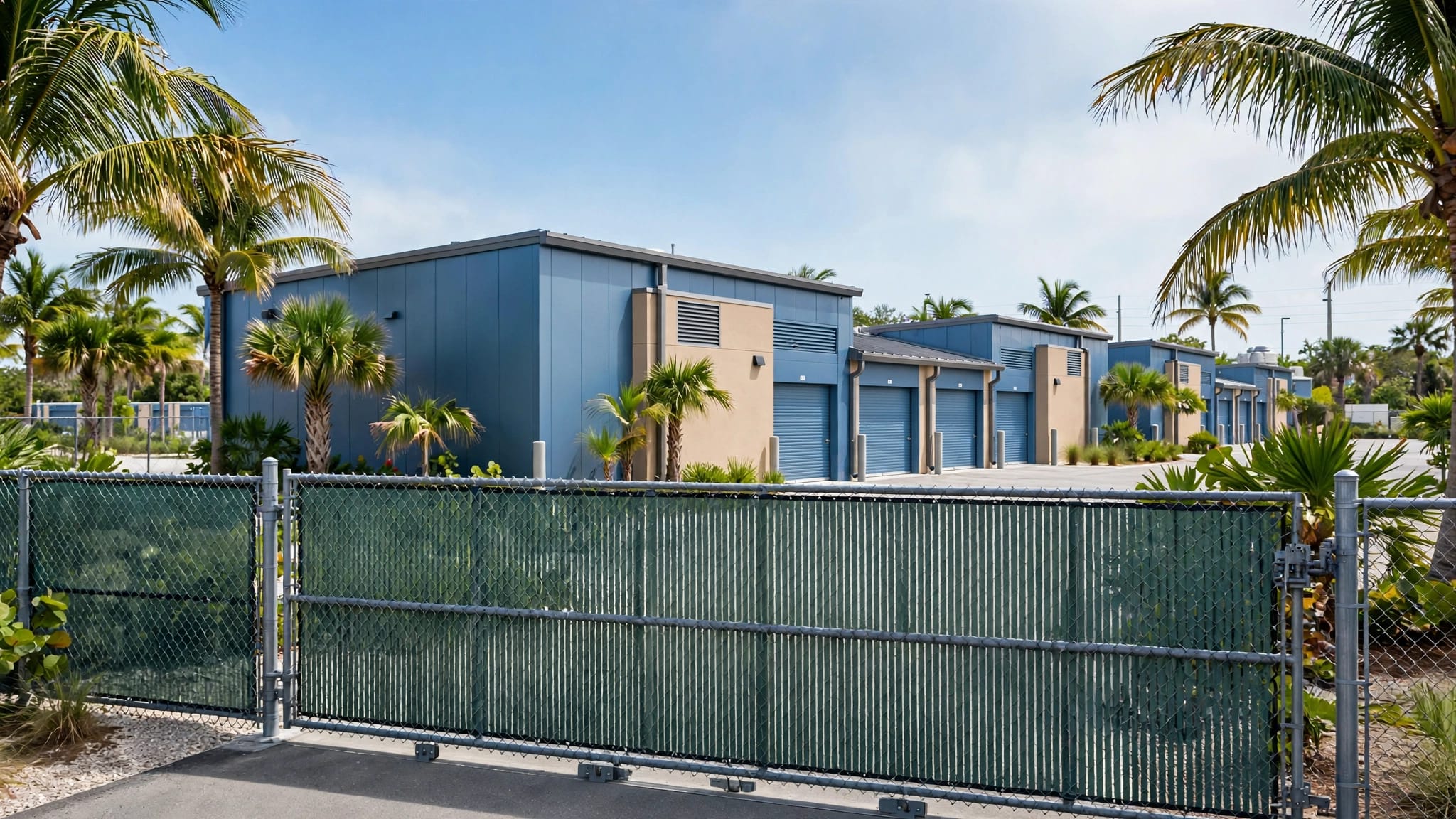
- Unapproved material or color : Chain-link, bright whites, mismatched tans, or “contractor grade” wood can be instant no’s depending on the HOA.
- Gate details omitted : A “gate here” note without width, swing direction, latch location, and hardware type often leads to questions.
- Drainage and swale problems : In Cape Coral, drainage paths matter. If your fence line crosses a swale or blocks water flow, expect revisions.
How to prep a fence submission packet that reviewers can approve
A clean packet feels like setting out labeled bins for someone else to sort. The ARC should never have to hunt for the fence height, location, or style.
Sample submission packet table of contents (copy this)
Use this as your packet spine, even if your HOA doesn’t require every item.
| Section | What to include | Why it speeds approval |
|---|---|---|
| 1. Cover letter | One-page summary, request, and contacts | Sets expectations and reduces questions |
| 2. HOA/ARC application form | Fully completed, signed, dated | Prevents “incomplete” rejections |
| 3. Property survey | Most recent survey if available | Shows true property lines and easements |
| 4. Site plan with measurements | Fence path, linear footage per side, gate widths | Makes layout verifiable at a glance |
| 5. Fence spec sheet | Material, color, height, picket spacing | Proves it matches approved styles |
| 6. Photos of your yard | Clear photos of each fence run area | Confirms conditions, slopes, obstructions |
| 7. Neighbor notice (if required) | Signatures or proof of notice | Some HOAs require adjacent owner sign-off |
| 8. Contractor info | License, insurance, proposal | Builds confidence and accountability |
| 9. City permit plan notes | Statement that permit will be pulled after HOA | Shows you understand the order |
For city-side prep, Lee County’s documentation is also a helpful checklist reference for what permitting offices often want to see in a fence submittal. Keep a copy of the Lee County Residential Fence Guide PDF to sanity-check your plan set.
Pre-submission self-audit checklist (catch delays before the ARC does)
- Style match : Does your fence match an existing, approved style in your community (height, color, post style)?
- Exact measurements : Do you list linear footage for each side and each gate width?
- Property lines shown : Did you mark setbacks from side and rear property lines, not just “along the edge”?
- Easements and utilities : Did you mark easements and note you’ll call for utility locates before digging?
- Drainage : Did you avoid blocking swales, drains, and water flow paths?
- Waterway rules : If you’re on a canal, did you choose a design that won’t get flagged for blocking views or airflow?
- Gate hardware : Did you specify hinges, latch type, and whether gates are self-closing where needed?
- Photos included : Did you include photos that match your drawing angles (rear line, side lines, corners)?
- Permit awareness : Did you acknowledge the city permit step using the current city fence guidance?
ARC-friendly cover letter outline (keep it to one page)
- Property and owner info : Address, lot/unit, phone, email.
- What you’re asking to build : Fence type, height, color, and total linear footage.
- Where it will go : “Along the rear and left side property lines, terminating at the rear corners of the home,” plus gate locations.
- Why this design fits : Note the closest matching fences in the neighborhood.
- Problem prevention notes : Mention easements checked, drainage not blocked, and utilities to be located before digging.
- Permit plan : State you’ll pull the city permit after ARC approval, per city guidance.
- Attachments list : Bullet the documents included so nothing gets missed.
Pool barriers and HOA rules (a common hidden trap)
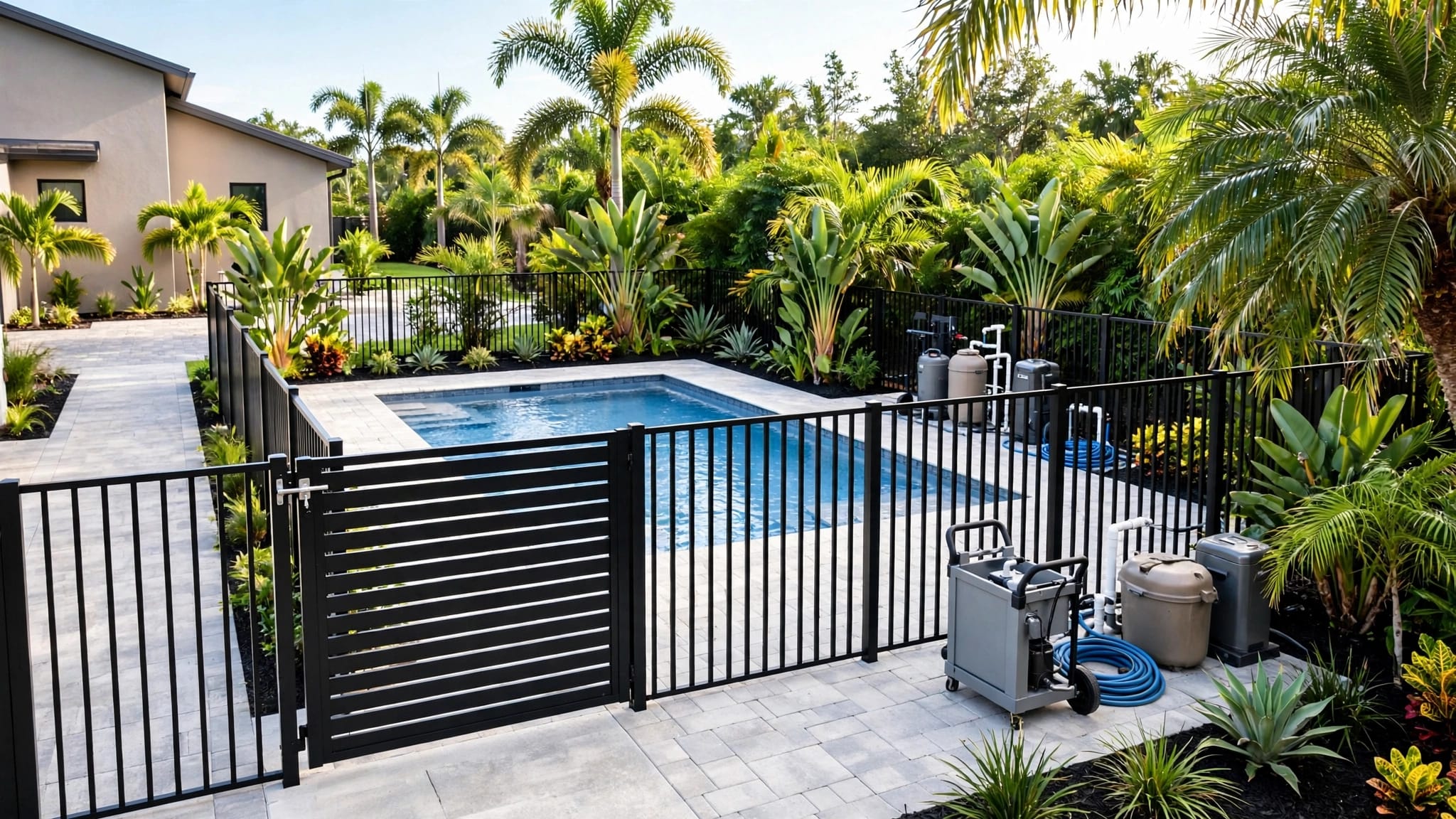
If the fence is part of a pool barrier, it must meet state safety requirements, and your HOA may add stricter rules. For the state standard, review Florida Statutes Chapter 515 (Residential Swimming Pool Safety). For a practical, local breakdown homeowners can understand, see these Cape Coral pool fence requirements.
For HOA process expectations and enforcement basics, Florida communities often operate under Florida Statutes Chapter 720, but your community documents still control the day-to-day fence standards.
Quick disclaimer: This is general information, not legal advice. Always confirm requirements with your HOA/ARC and the City of Cape Coral permitting office before you build.
Conclusion
Most fence applications don’t fail because the fence is “wrong.” They fail because the packet makes reviewers guess. If you match the neighborhood standard, show clean measurements on a real survey, and address easements, drainage, and gates up front, you give the ARC an easy yes .
Before you submit, read your HOA rules line by line, then cross-check the city’s current fence guidance. A little paperwork discipline now beats rebuilding a fence later.