March 12, 2026
Salt air in Cape Coral doesn't just "weather" a fence, it eats the weak parts first . One rusty screw turns into a loose hinge. One chipped coating turns into pitting. Then a gate starts dragging, and the whole fence feels older than it should.
If you're choosing Cape Coral fence materials for a canal lot or anywhere you can smell that brackish breeze, focus on two things: corrosion resistance and the quality of the hardware. The material matters, but the fasteners, brackets, and gate build often decide how long it really lasts.
Below is a practical guide to what holds up, what fails, and what to ask before you sign a quote.
Why salt air destroys fences in Cape Coral (and what fails first)
Salt is sneaky because you rarely see it. It rides in on wind, settles on surfaces, and pulls moisture out of humid air. As a result, metal stays damp longer, and corrosion speeds up.
In real yards, the first failures are predictable:
- Rusted fasteners : Screws and bolts corrode, then expand, then loosen. You'll see orange streaks at hinges and latches.
- Galvanic corrosion : This happens when dissimilar metals touch (for example, stainless hardware on a bare steel bracket, or aluminum touching certain steels). In salt air, that "battery effect" ramps up.
- Powder-coat pitting : Aluminum doesn't rust, but its coating can pit or blister if salt sits on it, especially where sprinklers hit daily.
- Wood rot and warping : Moisture soaks end grain, posts stay wet near grade, and boards twist as they cycle between wet and dry.
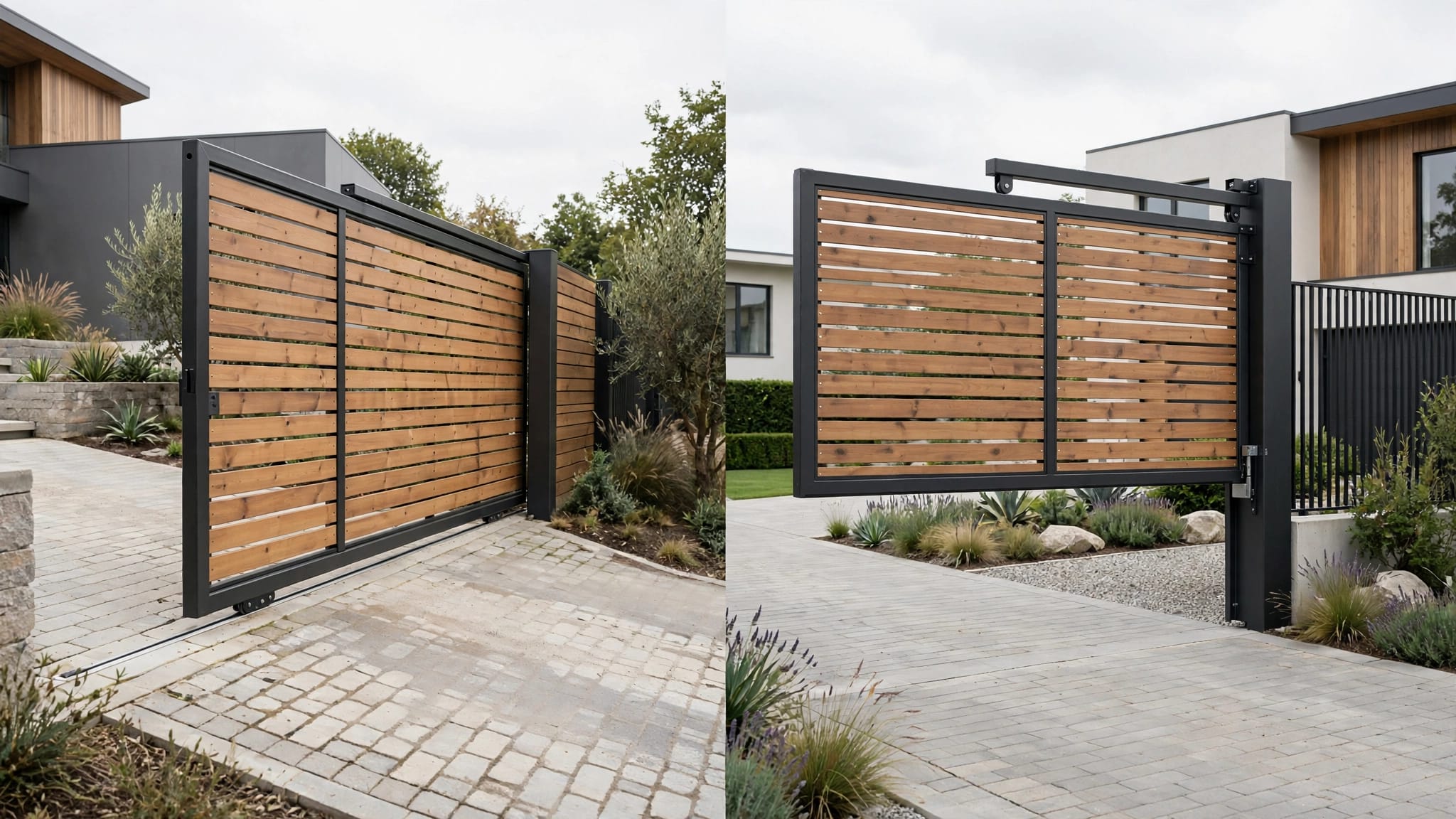
- Gate sag : Even a great fence looks bad when the gate fails. Salt air attacks hinges and bearings, while sandy soil and storm gusts test the hinge post.
If you're also thinking about storm performance, salt and wind work as a team. A corroded hinge or loose bracket is the exact weak point wind will exploit. For a deeper local comparison of the two most common low-maintenance options, see vinyl vs aluminum fences in Cape Coral salt air.
Salt air rarely "breaks" a fence in one moment. It softens the connections, then wind and daily use finish the job.
Comparing Cape Coral fence materials for salt-air homes
Before getting into each option, this quick table shows how the common materials tend to age in coastal Southwest Florida when installation quality is good.
| Material | Salt-air durability | Maintenance level | Common coastal failure mode |
|---|---|---|---|
| Vinyl/PVC | High | Low | Gate hardware corrosion, heat-related warping on cheaper systems |
| Aluminum (powder-coated) | Very high | Low | Powder-coat chips, pitting near sprinklers, mixed-metal corrosion at hardware |
| Composite (WPC) | High | Low to medium | Surface fading, moisture swelling on low-quality boards, fastener staining |
| Pressure-treated wood | Medium | High | Warping, rot at posts and pickets, fastener corrosion stains |
| Cedar or cypress | Medium to high | Medium | Weathering, checking, fastener staining, rot where water sits |
| Galvanized steel (chain link/framework) | Medium | Medium | Zinc wears down, rust at cut ends and fittings |
| Stainless steel (full fence) | Very high | Low | Usually avoided because of cost, still needs good design |
| Masonry/stucco wall | Very high | Low to medium | Cracks letting moisture in, rusting embedded steel at damaged areas |
Vinyl/PVC: great near salt, but gates must be built like "real doors"
Vinyl is popular because it won't rust or rot, and it rinses clean. That's a big deal on canal lots. Still, vinyl fences rely on metal where it matters most: hinges, latches, and internal gate reinforcement.
Vinyl failure in Cape Coral usually looks like this: the panels still look fine, but the gate sags because the hinge post wasn't reinforced, or the hardware wasn't coastal-grade. Heat can also expose budget vinyl. If it feels thin and flexible in your hand, it may move more than you want over time.
Best fit: privacy needs, low upkeep, and homeowners who will pay for reinforced posts and better hardware.
Aluminum: a top pick for salt air, as long as you protect the coating
Aluminum fencing is the coastal workhorse. It doesn't rust, and most styles let wind pass through. That helps in storms, and it reduces long-term "wobble" stress.
The weak spots are simple: scratches, cut ends, and hardware choices. Once the powder coat gets chipped, you want to touch it up. Also, if an installer mixes metals carelessly, you can get corrosion at connections even when the aluminum looks perfect.
Best fit: pool fences, front-yard fences, and open-look perimeters on canal properties.
Stainless and galvanized steel: good hardware, tricky full fences
Most homeowners should treat steel as a "yes for parts, maybe for systems."
- 316 stainless steel is excellent for coastal hardware (hinges, screws, latches). It's often worth the upgrade.
- Galvanized steel can work, especially for chain link. However, the zinc coating is sacrificial, and near salt it gets used up faster. Rust often starts at cut ends, clamps, and tension bands.
If you're considering chain link near a canal, pay attention to coatings and cut-end protection. This local breakdown helps you compare finishes and long-term expectations: galvanized vs vinyl-coated chain link in Cape Coral.
Why steel fences are often avoided near salt air: once corrosion starts inside seams, it's hard to stop, and repainting becomes a cycle.
Composite: low-rot, modern look, but don't ignore fasteners
Composite fencing (often wood-plastic blends) avoids many rot problems, and it can look sharp. It's not "set it and forget it," though. In humid, salty conditions, the common issues are surface fading, swelling in cheaper boards, and fastener staining if the hardware isn't corrosion-resistant.
Composite also needs good airflow. If vines or hedges press against it, moisture stays trapped, and it ages faster.
Best fit: homeowners who want a wood-like look with less rot risk.
Wood options: pressure-treated vs cedar/cypress in coastal humidity
Wood can work in Cape Coral, but it's the most honest material: it shows every shortcut.
Pressure-treated wood fights decay better than untreated pine, but it can warp as it dries, especially with wide pickets or poorly spaced fasteners. Cedar and cypress often stay more stable, and they resist insects well, but they still weather fast in sun and salt.
No matter which wood you choose, posts and bottom edges are the danger zones. If a sprinkler hits the same board daily, expect early rot and staining.
Best fit: classic look, budgets that allow sealing and spot repairs, and homeowners who don't mind upkeep.
Masonry and stucco walls: durable barriers with a few "gotchas"
A CMU wall with stucco can be one of the longest-lasting perimeter options near salt air. Still, cracks matter. Once water gets in through damaged stucco, embedded metal can corrode, and repairs get bigger.
Also, gates mounted to masonry still need coastal-grade hinges and anchors. If the gate frame is steel and the hardware is wrong, you'll see rust stains even when the wall looks fine.
Best fit: long-term privacy perimeters, especially where HOA rules allow it.
Salt-air fence maintenance that keeps problems small (plus what to ask your installer)
Salt-air maintenance is mostly about rinsing, inspecting, and catching metal problems early. Think of it like washing your car if you live near the beach.
Recommended cleaning and inspection intervals
Use fresh water and mild soap when needed, then rinse well.
- Monthly rinse : canal-front homes, or fences hit by sprinklers.
- Every 3 months : most inland Cape Coral neighborhoods that still get salt breeze.
- After storms : rinse off debris and check hardware the next day.
A quick seasonal walkthrough also helps:
- Look for rust blooms at hinges, latches, and corner brackets.
- Check for loose screws and slight gate drag before it becomes sag.
- Scan aluminum for chips in the powder coat, then touch up.
- On wood, check posts near grade for softness, and watch for cupping boards.
If your fence already has problems, this guide can help you decide what's worth fixing now versus later: coastal fence repair tips for Cape Coral homes.
What to ask a fence installer on salt-air properties
A good quote should answer these clearly:
- What hardware grade are you using at gates? Ask for 316 stainless fasteners and hinges where possible.
- How do you prevent galvanic corrosion? Hardware should match the system, or be isolated when metals differ.
- What's the plan for cut ends and drilled holes? Those spots need protection, especially on chain link and aluminum.
- How are gate posts reinforced? Gate sag is common, so hinge posts need extra strength.
- What coating or finish is included, and what voids it? For example, harsh cleaners can damage some finishes.
If a fence is "coastal-ready," the installer can explain the hardware and corrosion plan in plain language.
Conclusion
The best Cape Coral fence materials for salt air are the ones that match your exposure and your patience for upkeep. Aluminum and vinyl usually win for low maintenance, while composite can be a strong middle ground. Wood can still look great, but it demands routine sealing and faster repairs.
If you're on a canal or you get salt breeze most days, spend extra on hardware quality and gate construction. That's where coastal fences either stay solid for years, or start falling apart one rusty screw at a time.