April 29, 2026
Backyard lighting changes how a space feels after dark. In Cape Coral, it also has to stand up to salt air, heavy rain, and months of hard sun. Good Cape Coral fence lighting makes a yard safer, helps guests find gates and steps, and softens the whole space at night. The best setups do all of that without looking busy.
If your backyard has a lanai, pool, or dock, the fixture choice matters even more. A few well-placed lights can make a plain fence line feel finished.
Start with the job your lights need to do
Before you pick fixtures, decide what you want the light to do. Some yards need a calm glow for dinner on the patio. Others need brighter light near gates, stairs, and side paths. Many need both.
That choice affects height, beam spread, and color temperature. Warm white light, around 2700K to 3000K, feels softer near seating areas. Brighter white light works better near work zones, such as a side gate or equipment area. Keep the beam aimed down or toward the fence, not into the yard at eye level.
Cape Coral lots often have close neighbors, so glare matters. A fence can help direct the light, but only if the fixture is aimed with care. Low-profile post caps, small wall-mounted fixtures, and shielded sconces usually look cleaner than big floodlights. If you want privacy with airflow, a Cape Coral louvered fence guide can help you match the fence style to the lighting plan.
Best fixture types for salty, rainy weather
The best fixtures for Cape Coral are the ones that keep working after humidity, storms, and sun. This quick comparison helps narrow the field.
| Fixture type | Best use | Why it works in Cape Coral |
|---|---|---|
| LED post cap lights | Vinyl, aluminum, or wood posts | Simple look, downward glow, easy to place |
| Wall-mounted sconces | Gates and lanai walls | Directs light where people walk |
| Solar cap lights | Sunny fence lines | No wiring, handy for quick upgrades |
| LED strip lighting | Modern fences and railing caps | Soft glow with a clean finish |
Low-voltage LED fixtures are usually the safest long-term bet. They handle wet weather well when the wiring is sealed, and they don't need much power. For any outdoor fixture, look for corrosion-resistant hardware, UV-stable lenses, and a finish that won't peel in the sun. Powder-coated aluminum and stainless steel screws hold up better than cheap painted parts.
In coastal yards, sealed housings and downward light matter more than fancy shapes.
Solar can work well here, but shade from palms and roof lines can cut output. If a fence sits under heavy shade, wired LEDs are usually more dependable. Timers and dusk-to-dawn sensors also help. They keep the yard lit when you need it and save energy the rest of the night.
Placement ideas for lanais, pools, and docks
Placement changes everything. A light in the wrong spot can leave a dark corner or create glare on the water. A light in the right spot makes the yard feel open.
Start with the places people actually use after dark. Gates, seating areas, grill zones, and the path from the house to the backyard need the most attention. Fence posts near those routes are good spots for gentle light. Add brighter fixtures only where you need to see locks, steps, or hose reels.
If your yard includes a pool, keep light out of the water line when possible. Reflections can be harsh, especially on calm nights. Down-facing post caps and narrow-beam fixtures work better than wide flood patterns. For homes with a dock or canal edge, choose lights that point away from the water and resist spray. The same idea helps near tropical plants, since uplights can wash out leaves and create more bug activity.
Timers help here too. They keep the path lit when you come home, then shut off before sunrise. Motion sensors near a side gate can add safety without lighting the whole fence. When the pump or filter sits near the fence, privacy fences for Cape Coral pool equipment can hide the mess while leaving room for a clean lighting layout.
Match the lights to the fence style
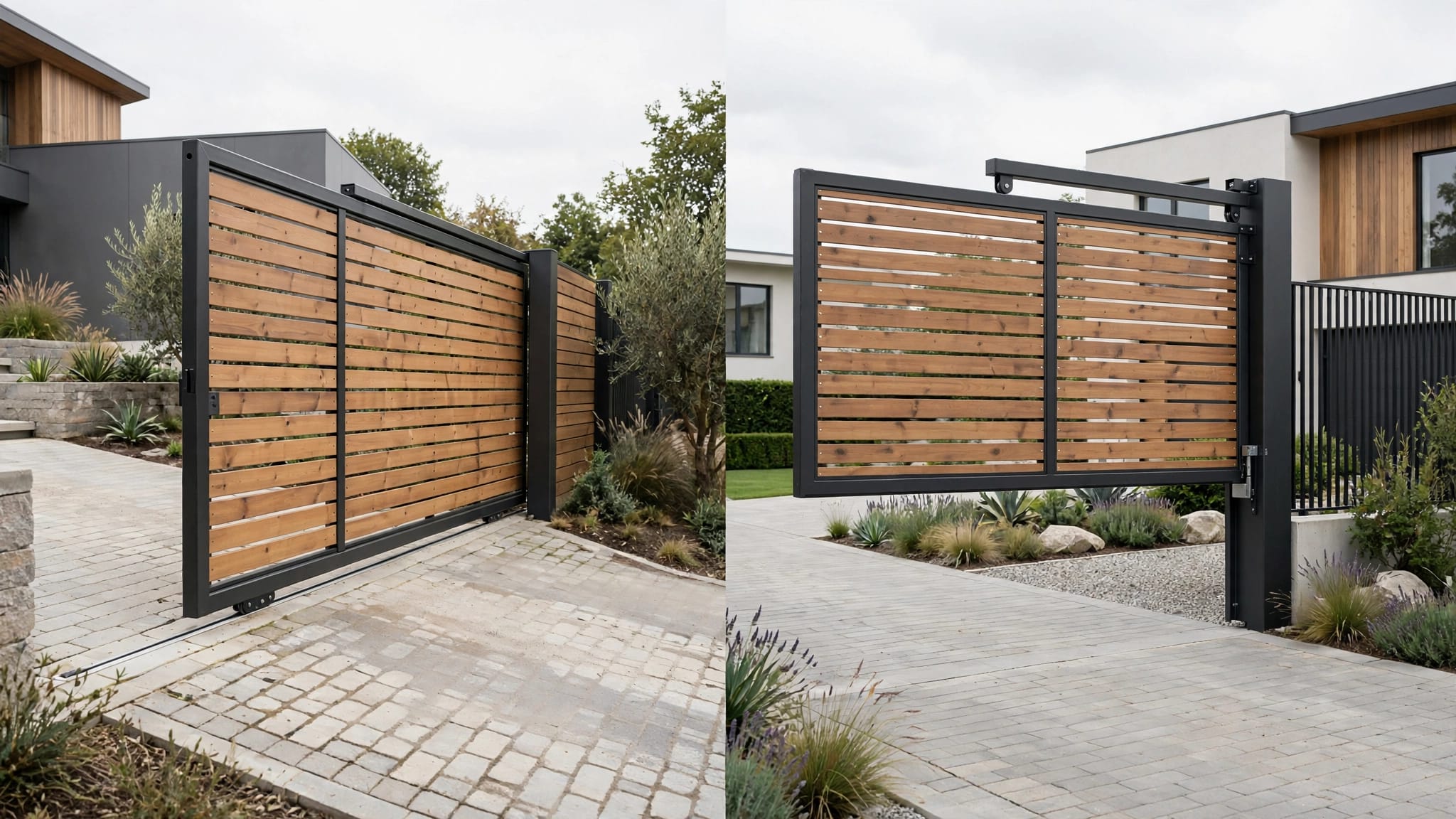
Fence material changes the look and the install. Aluminum fences take well to clean, modern lights because the posts stay crisp and the finish resists rust. Vinyl fences are a good fit for post caps and low-glow strips, but the fixtures need secure mounting points. Wood looks warm with lantern-style sconces, yet it needs sealing around every screw hole to keep moisture out.
Louvered fences are useful when you want privacy without trapping heat. The slats soften light and create a nice shadow line at night. If that style fits your yard, a Cape Coral louvered fence guide can help you compare airflow, privacy, and the look of the finished fence. Chain link can also work, but it needs a softer touch. Small fixtures and warm light make it feel less industrial.
The main idea is simple. Match the fixture to the fence first, then think about brightness. That keeps the backyard balanced instead of overlit. After installation, rinse salt off the fixtures now and then. A quick wash helps hardware last longer and keeps lens covers clear.
Conclusion
The best Cape Coral fence lighting looks calm before it looks dramatic. It should help you move safely, make the yard feel finished, and stand up to salt, humidity, and summer rain. Warm LEDs, sealed housings, and thoughtful placement do the heavy lifting.
When the lights fit the fence and the way you use the space, the backyard feels better every night.