July 2, 2026
A fence beside a shared driveway can cause more problems than it solves if you skip the basics. The layout may look simple, but shared driveway fence rules often depend on property lines, easements, local permits, and neighbor access.
That matters even more in Southwest Florida, where city, county, and HOA requirements can change from one neighborhood to the next. A fence that works on a side yard may fail once a driveway, utility line, or recorded access right enters the picture.
Before you buy posts or panels, get the layout right. The next few checks can save you from a costly teardown later.
Check the property line and any recorded easement
Start with the survey, not with assumptions. A survey shows where the legal boundary sits, and a deed or plat can show whether a driveway easement already exists.
If the shared driveway is covered by a recorded easement, that document matters a lot. It may give one or both property owners the right to pass, turn, or maintain the drive. A fence that narrows that access can create a dispute, even if it sits close to your side of the line.
Do not rely on an old fence, a hedge, or a neighbor's memory. Those clues can be wrong. If you do not have a recent survey, get one before you set the first post.
A fence that blocks a driveway easement can cause trouble even when it looks neat and orderly on the property line.
This is also the point to check for utility access and drainage. Shared drives often sit near water lines, electric service, irrigation, or drainage swales. If a utility crew or drainage flow needs that space, the fence plan has to respect it.
Confirm zoning, permits, and HOA rules
Local rules are rarely one-size-fits-all. A city code, county rule, or HOA guideline can affect fence height, placement, and even material choice.
In many areas, fence height limits change near the front yard, street corner, or driveway entrance. Setback rules may also require a fence to sit farther from the curb or from the edge of the right-of-way than you expect. If your lot is on a corner, visibility rules can be stricter because drivers need a clear view.
Permits matter too. Some fences need a permit, especially when they are taller, near the street, or built in a way that affects sight lines or access. Do not assume a small fence is exempt just because it looks minor. The permit office can tell you what applies to your address.
HOA rules can add another layer. Some communities limit material, color, height, or the side of the fence that faces outward. Others want written approval before work starts. If you live in a deed-restricted neighborhood, check those documents before you order materials.
If you are comparing styles after you confirm the rules, it helps to review residential and commercial fencing options that fit the property and the driveway layout.
Height and setback limits
Height sounds simple until you measure from the wrong point. Some codes measure from grade, some from the driveway surface, and some from finished grade after drainage work.
Setback limits can matter just as much. A fence that sits too close to the pavement can interfere with vehicle doors, mirrors, or turning room. It can also make maintenance harder if the driveway needs repair later.
HOA and subdivision approval
Subdivision rules can be stricter than city code. Even if a city allows the fence, the HOA may not.
Ask for the approval process in writing. Keep the approved drawing, the material list, and any notes about height or location. That paper trail helps if the plan gets questioned later.
Keep access safe for every vehicle
A shared driveway has to work for daily life, not just for a site plan. Cars need room to enter and exit. Trucks need space to turn. Delivery drivers, trash trucks, and service crews may also need access.
Think about the full width of the driveway, including mirror clearance and gate swing. A fence that leaves enough space for a compact car may still pinch a pickup truck or a utility trailer. That problem shows up fast in real life.
Fire and emergency access deserves the same attention. A design that delays an ambulance or blocks a fire truck is a bad design, even if it looks clean on paper. If the driveway is narrow, a straight fence line is not always the safest choice.
Driveway grades and drainage matter too. In Southwest Florida, water movement can shape the whole layout. A post line placed in the wrong spot can interrupt runoff or create a puddle that pushes water back toward the house. When that happens, the fence becomes part of a drainage problem.
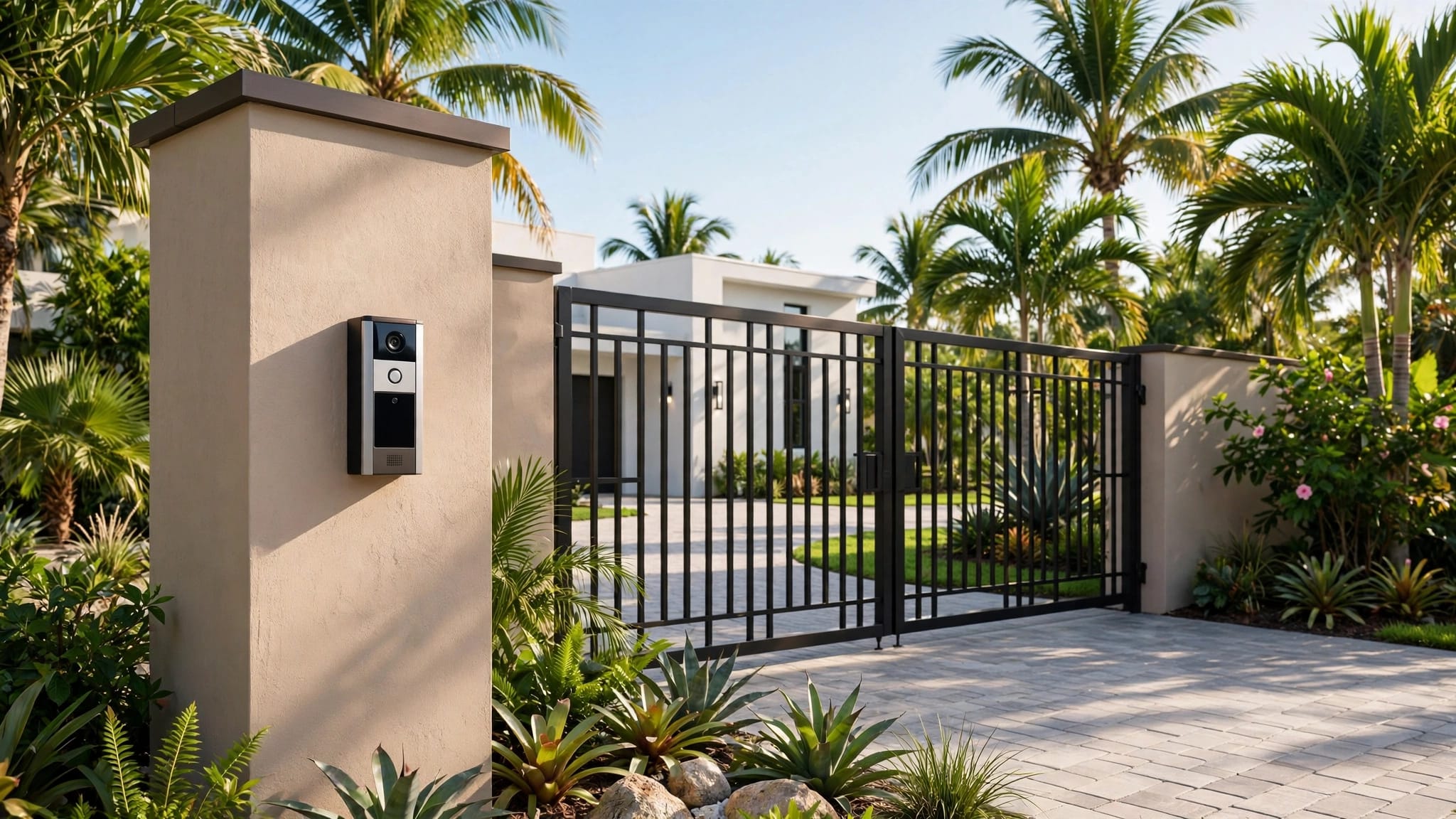
If the driveway has a gate, keep the opening wide enough for comfortable use. A gate that clips mirrors, forces awkward turns, or leaves no space for a trash cart will get old quickly. The best fence plan protects privacy without turning the driveway into a squeeze.
Put neighbor agreements in writing
A friendly conversation is a good start, but it should not be the last step. Shared access works better when both owners know who is responsible for what.
Talk through the practical points before anyone orders materials. Who is paying for the fence? Who owns it? Who handles repairs if a vehicle scrapes a post? Who opens the gate for maintenance? Who contacts the contractor if something needs adjustment?
Written notes help prevent confusion later. A simple signed agreement can list the fence location, height, style, maintenance responsibilities, and rules for access. It does not have to be complicated. It just has to be clear.
It also helps to include a sketch or site plan with measurements. That way, everyone sees the same layout. If the fence sits on or near the property line, that document becomes even more important.
Good communication matters here. A neighbor who understands the plan before construction starts is much less likely to object when the crew arrives.
A quick checklist before you buy materials
Use this as a final review before any fence work starts.
| What to check | Why it matters | Where to confirm it |
|---|---|---|
| Property survey | Shows the legal boundary | Surveyor, closing documents |
| Recorded easement | Protects driveway access rights | Deed, title records, county records |
| Fence permit | Confirms the project is allowed | City or county permitting office |
| Setback and height limits | Prevents code violations | Local zoning rules, HOA documents |
| Visibility rules | Keeps the driveway safe for drivers | Local code, HOA standards |
| Drainage and utilities | Avoids damage and access problems | Site review, utility markings |
| Written neighbor agreement | Clarifies responsibility and access | Signed agreement between owners |
The main takeaway is simple. A fence can look well planned and still fail the rules if any of these items are missed.
Choosing a fence that fits the driveway
Once the legal and layout questions are settled, material choice becomes easier. Shared driveways often do better with fences that leave enough visibility near the opening. Aluminum can work well where sight lines matter. Vinyl, wood, and chain link each have their own strengths, depending on privacy, maintenance, and the look you want.
The best option depends on the site, not just the style. A fence that suits a backyard may not suit a shared access point. That is why the layout check comes first.
A local contractor can also help you spot trouble before it becomes a problem. If the driveway is tight, sloped, or tied to an easement, the right plan usually comes from measuring the site carefully and checking the rules before work begins. If you want help sorting through the details, contact Royal Fence for your property project and request a fence estimate.
Conclusion
Shared driveway fence rules can feel like a lot of paperwork, but the basics are straightforward. Check the survey, confirm any recorded easement, review zoning and permit requirements, and make sure the fence will not block safe vehicle access.
The cleanest fence project is the one that fits the property and the people using it. When neighbors agree in writing and the layout follows local rules, the fence does its job without turning into a daily headache.