August 29, 2026
A fence can make a manufactured home feel more private, safer, and easier to enjoy. Yet in Southwest Florida, placement matters as much as the material. A few feet can put a fence into an easement, too close to a canal, or outside a community's rules.
Well-planned manufactured home fencing accounts for your lot, local requirements, wind exposure, drainage, and the way you use the yard. Start with the ground rules before choosing a style or scheduling post holes.
Start With the Lot, Not the Fence Style
Manufactured homes sit on many types of properties. You may own a standalone lot in Cape Coral or Fort Myers, lease a site in a mobile home community, or live on an unincorporated Lee County parcel. Each setup affects who must approve the work.
First, decide what the fence needs to do. A six-foot privacy fence creates a sheltered patio area. An open aluminum fence can define a yard without closing off a canal view. Chain link may make more sense for a large dog run or a budget-conscious perimeter.
Also consider setbacks, driveway access, air-conditioning equipment, septic components, and any shed or screen enclosure. A fence should work with the property rather than turn a small yard into a cramped corridor.
Find Property Pins and Recorded Easements
Do not assume an old fence marks the boundary. It may sit inside the neighbor's lot, across an easement, or in the public right-of-way. A current survey gives a contractor reliable dimensions and helps identify drains, swales, utility corridors, and waterfront limits.
Lee County's fence application guidance states that fences must sit entirely on the owner's property. It also calls for the finished side to face the adjoining property or right-of-way. Those details prevent a good-looking fence from becoming a costly correction.
When pins are buried, damaged, or uncertain, hire a licensed surveyor to locate them. Marking a line based on a satellite image or a neighbor's estimate creates unnecessary risk.
Get Written Community Approval First
A manufactured home community may have rules that go beyond city or county standards. Management might limit fence height, colors, materials, gate locations, or the portion of the lot that can be enclosed. Some communities do not allow solid privacy fencing at all.
Request the community's architectural or lot-improvement guidelines in writing. Then submit the fence layout, product information, height, color, and gate plan before work begins. Keep the approval with your project records.
A municipal permit does not replace park or HOA approval, and community approval does not replace a required local permit.
If the home sits on leased land, ask management whether the fence becomes your responsibility when you sell or move. Clarify removal obligations before installation.
Manufactured Home Fencing Permits and Local Rules
Permit requirements depend on the parcel's jurisdiction. Cape Coral, Fort Myers, Estero, Bonita Springs, and unincorporated Lee County do not always follow the same process. Confirm the address with the local building or development services office before ordering materials.
Lee County notes that properties within Cape Coral, Estero, Fort Myers, and Bonita Springs may need permits through the local jurisdiction rather than the county. A contractor can help prepare a site plan, but the property owner should still understand which office has authority.
Cape Coral, Bonita Springs, Estero, and Fort Myers
Cape Coral's current residential fence guidance has important placement limits for single-family homes and duplexes. No portion of a fence may sit in front of the forward-most part of the primary structure. This often changes the plan for manufactured homes set back from the street.
Bonita Springs requires a separate building permit for residential fences. In residential areas, fences between a street right-of-way or easement and the required street setback line generally cannot exceed three feet. Open-mesh screening may reach four feet if it preserves driver visibility.
Estero has different thresholds that can depend on height, location, masonry construction, and pool-barrier use. Fort Myers also has its own local process. Confirm current permit triggers, height limits, application documents, and inspection steps directly with the Village or City before construction.
Corner Lots, Canals, and Front Setbacks
Corner lots need extra care because a tall fence can block drivers' sightlines at an intersection or driveway. Local rules may restrict height near traffic access points, even where the fence would otherwise be allowed.
Waterfront parcels have further limits. In Cape Coral, fences in the rear 20 feet of a property line abutting a waterway must use open mesh above three feet. Lee County and Bonita Springs also apply water-adjacent rules that can require open mesh above 3.5 feet within 25 feet of a body of water.
For natural water bodies, Lee County generally requires fences to remain at least five feet from the mean high-water line. A seawalled canal can have different placement options. Confirm the rule for your exact waterfront condition before setting a single post.
Plan for Water, Wind, and Underground Utilities
Southwest Florida rain can expose poor fence planning quickly. Heavy downpours move water through swales, drainage paths, and low areas. A solid fence installed across the wrong route can trap leaves and debris, then direct water where it does not belong.
Walk the property after a strong rain if possible. Look for standing water, eroded soil, washout marks, downspout discharge, and water moving toward the home. Keep drainage routes open and discuss grade changes with the contractor before finalizing the fence line.
Respect Swales and Flood-Prone Ground
Flood-zone status does not automatically prevent a fence project. However, it can affect placement, product choices, permitting review, and how water moves through the site. Canal lots, lakeside lots, and properties with shallow drainage swales need a site-specific plan.
Avoid filling a swale or using fence panels to dam runoff. Open styles may suit a low-lying section better than a solid fence. In addition, confirm whether recorded drainage easements cross the parcel. A fence in an easement may need removal when public work or utility service is required.
Check local floodplain and drainage requirements with the applicable city, county, or community office. Rules can change based on the lot, waterway, and planned fence design.
Build for Southwest Florida Weather
A privacy fence catches wind like a sail. Strong posts, sound footings, properly rated brackets, and secure gate hardware all matter when summer storms arrive. Tall solid panels and exposed corner sections deserve extra attention.
Ask whether the proposed system has manufacturer installation instructions for local conditions. For a tall, exposed, or unusual design, ask the local building department whether it needs engineering, product documentation, or added structural details.
Material alone does not make a fence wind-ready. Post spacing, embedment depth, soil conditions, rails, fasteners, and the way each gate is hung affect the finished structure. Professional residential fence installation in Cape Coral helps match the layout to the property rather than forcing a standard design onto every lot.
Before digging, confirm utility locations through the utility-locating process required for your address. Electric, communications, water, irrigation, and gas lines can run through a yard even when no surface markers are visible.
Choose Materials That Fit Your Home and Yard
The right material balances privacy, upkeep, appearance, and local restrictions. A good fence should complement the home without overwhelming a narrow lot or blocking a valued view.
Here is a practical comparison for common manufactured-home fence options.
| Material | Best fit | Ongoing care | Main consideration |
|---|---|---|---|
| Vinyl | Privacy and low upkeep | Wash dirt and mildew as needed | Solid panels catch more wind |
| Aluminum | Open views and waterfront areas | Check hardware and rinse salt residue | Offers little privacy |
| Wood | Natural appearance and custom layouts | Seal, stain, repair, and inspect | Moisture and insects demand attention |
| Chain link | Pet areas and larger perimeters | Check tension and coating | Provides limited privacy |
Vinyl Privacy Fences for Easy Upkeep
Vinyl is popular for manufactured home fencing because it does not need painting and will not rot like untreated wood. White and neutral-toned panels can also brighten a small yard while giving patios and pet areas more separation.
Choose a quality system with sturdy posts, compatible rails, and hardware made for the panel design. In humid conditions, occasional cleaning keeps pollen, algae, and irrigation stains from becoming permanent-looking marks. Review low-maintenance vinyl fencing when privacy and simple upkeep are your main priorities.
A solid vinyl fence may not fit a waterfront rule or a high-wind exposure without changes to the layout. Open sections, stepped heights, or a different material can solve that problem.
Aluminum, Wood, and Chain Link Options
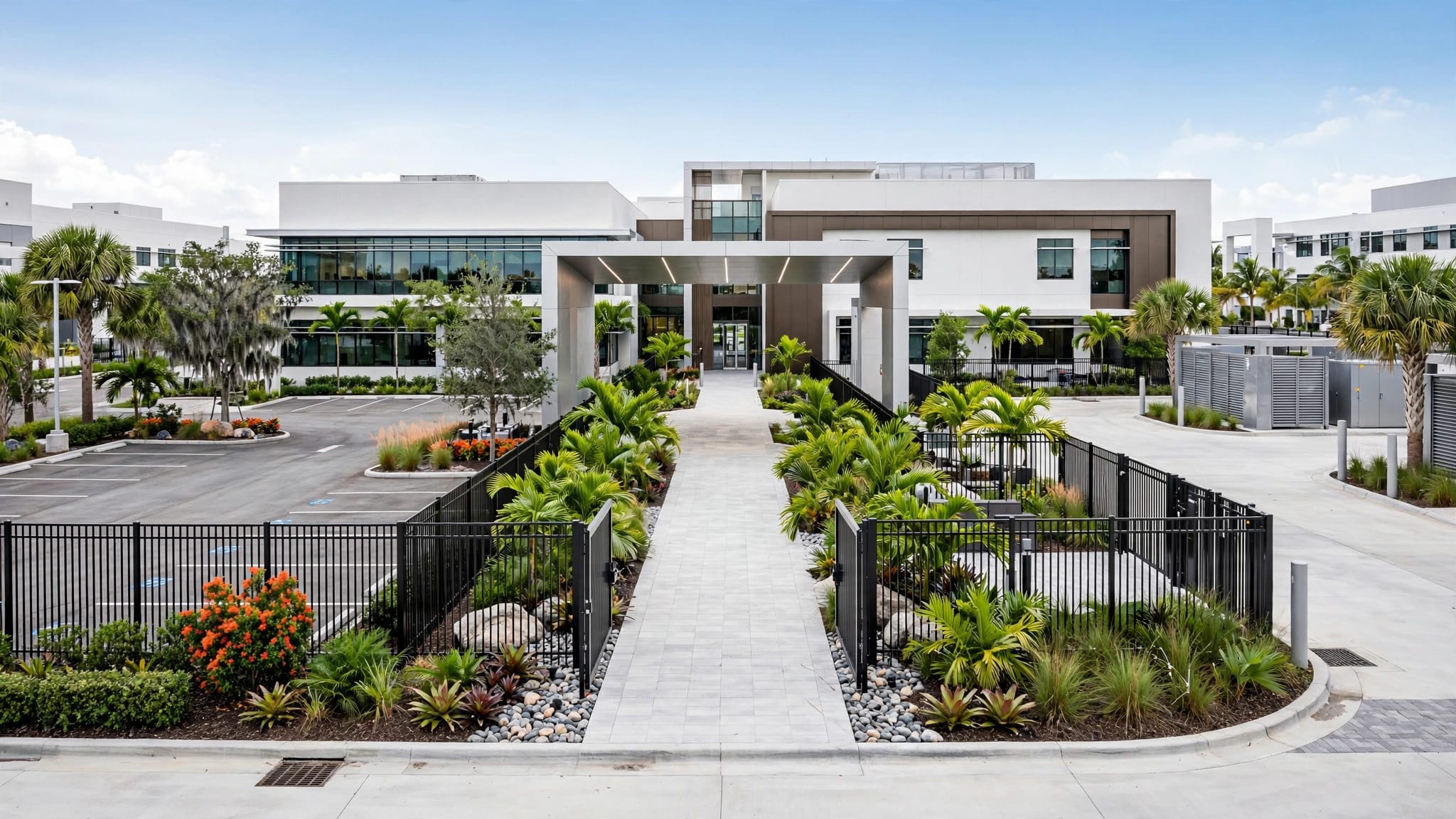
Aluminum fencing suits homes that back up to canals, ponds, preserves, or shared green space. Its open pickets preserve sightlines and may better fit water-adjacent open-mesh requirements. Black aluminum often blends into the view more easily than a bright solid barrier.
Wood gives a yard a warmer, more traditional look. It also allows custom heights and board layouts when local rules permit them. However, Southwest Florida moisture means regular inspections for loose fasteners, soft boards, and surface wear.
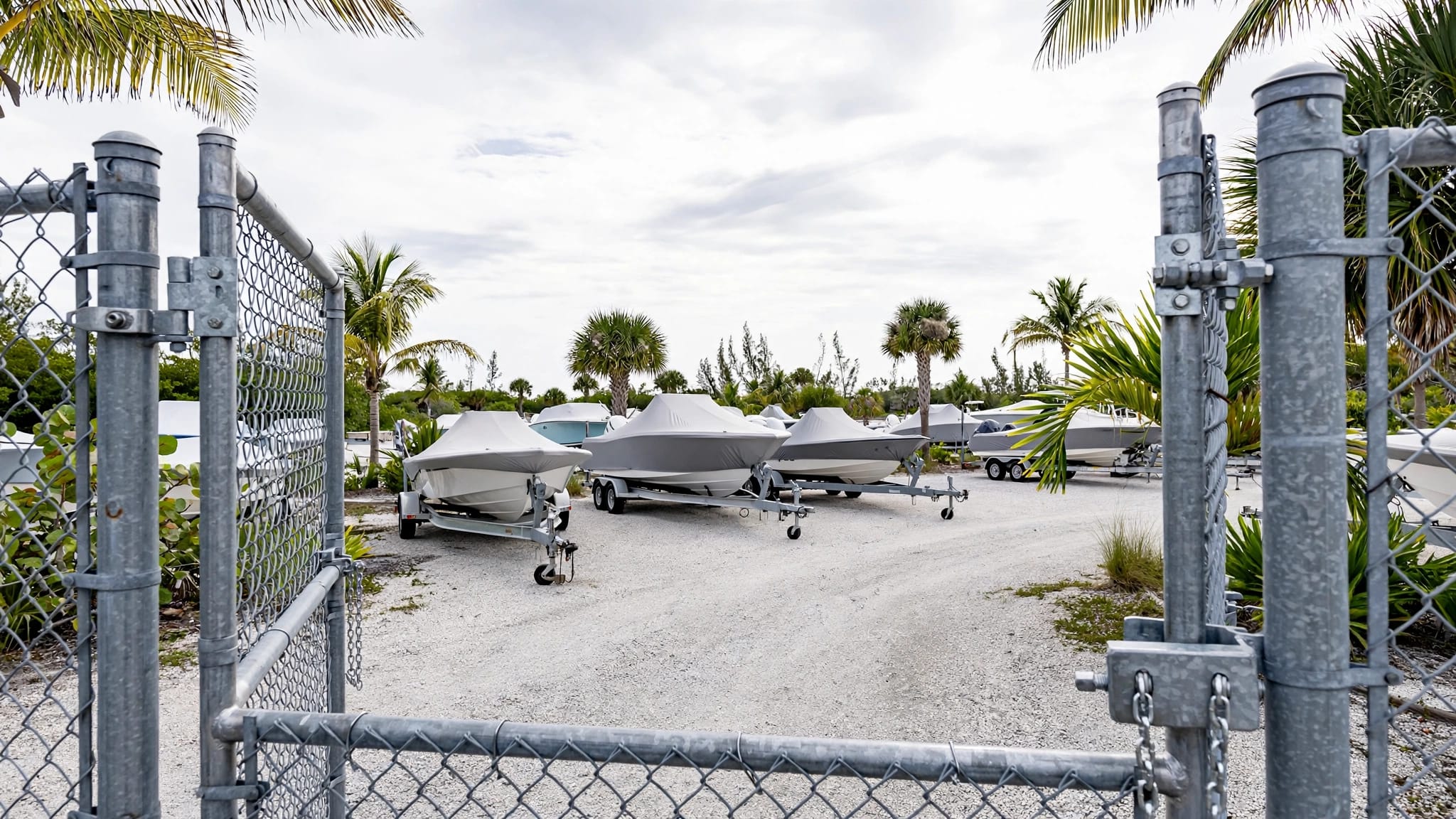
Chain link is practical for securing a pet run or defining a wide side yard. Vinyl-coated and galvanized choices offer different looks and corrosion protection. Privacy slats can add screening, although they also increase wind pressure. Vinyl-coated and galvanized chain link fencing offers useful options for durable, functional enclosures.
Design Gates for Daily Access and Safety
A gate is the working part of the fence, so plan it around real routines. Measure the widest item that needs access, such as a lawn mower, mobility device, golf cart, trash bin, or service vehicle. A decorative walk gate may look right but become frustrating if it is too narrow.
Place gates where they avoid drainage low points and do not swing into a driveway, sidewalk, or public area. Confirm whether the community requires a particular gate orientation or latch type.
Pool, Pet, and Service Gates
A pool barrier has separate safety requirements. Do not treat it as an ordinary yard fence. Ask the local authority and community management about required height, latch placement, swing direction, and self-closing, self-latching hardware before choosing a gate.
For a pet enclosure, use a latch that children and animals cannot easily open. Check the gate's clearance after heavy rain, because soft soil or settling can cause it to drag.
Service gates deserve the same planning. Air-conditioning technicians, landscape crews, and utility workers need reasonable access without removing fence panels. A double gate may cost more at installation but can prevent repeated disassembly later.
What Professional Fence Installation Should Include
A clear proposal should show the material, height, approximate footage, gates, demolition needs, post locations, and permit responsibilities. Ask how the crew will handle survey evidence, utility markings, drainage areas, and a site that becomes wet after rain.
Fence pricing changes with more than linear footage. Gate count, corner posts, terrain, demolition, permit work, material grade, and difficult access all affect the total. For local budget context, review fence installation costs in Cape Coral before comparing proposals.
During Installation and Final Inspection
A reliable crew verifies the layout before digging. They set posts to the planned line, check alignment, install panels and gates, and remove job debris. If the layout conflicts with a pin, easement, or marked utility, pause the work and resolve the issue before proceeding.
After installation, walk the perimeter with the contractor. Test every latch, check gate swing and clearances, inspect finished-side orientation, and look for gaps under panels. Keep permit records, product details, receipts, survey documents, and community approval together.
A Simple Maintenance Routine
Inspect the fence after major storms and at least twice each year. Look for leaning posts, loose caps, corroded fasteners, cracked rails, sagging gates, soil washout, and vegetation pressing against the fence.
Rinse vinyl and aluminum when irrigation or salt air leaves buildup. Trim plants back so moisture does not stay trapped against wood. Lubricate gate hinges and latches with a product appropriate for the hardware.
Prompt repairs protect the entire line. A single loose post can put added stress on the panels and gates beside it.
A Fence That Fits the Property
The strongest manufactured home fencing plan begins with accurate boundaries, written community approval, and confirmation from the right local authority. It also respects water flow, utility corridors, wind exposure, and the daily ways you enter and use the yard.
A material that looks great in a showroom can fail the property if it blocks drainage or conflicts with waterfront rules. A well-placed fence gives you privacy and security without creating problems that are expensive to fix later.