July 25, 2026
The right fence post caps Cape Coral homeowners choose must do more than finish the top of each post. They need to handle intense sun, heavy rain, high humidity, wind, and salt carried through the coastal air by providing essential weathering protection.
A cap can keep water away from an exposed post, create a polished and finished appearance, or hold a small light. The best choice depends on your fence material, post size, maintenance plans, and how well the post caps fit the look you want around your home. Start with the conditions each cap will face.
Key Takeaways
- Choose post caps made for exterior use on your fence or deck, with finishes that can handle UV exposure and moisture.
- Match the cap to the post's actual outside dimensions, not the advertised fence height.
- Use sloped or peaked designs where shedding rainwater matters.
- Select aluminum, vinyl post caps, or sealed wood based on your fence material and maintenance preferences.
- Treat decorative or lighted post caps as design features, not substitutes for strong posts and proper installation.
How to Choose Fence Post Caps Cape Coral Homes Can Handle
Cape Coral weather puts more stress on outdoor materials than a mild, dry climate. Strong sunlight can fade finishes and make some plastics brittle over time. Heavy rain can collect on flat surfaces, while humidity keeps moisture near fasteners, joints, and unfinished wood, making outdoor durability a key factor in your selection.
Wind also affects your decision. A large decorative post cap adds surface area at the top of a post. That may matter on a tall privacy fence or an exposed corner. The cap won't determine whether a fence can withstand a storm, but an oversized or poorly secured cap can become a maintenance problem.
Salt air deserves attention near canals, the Caloosahatchee River, and other exposed areas. Salt deposits can speed corrosion on unprotected metal hardware, which is why homeowners often choose aluminum or metal post caps with exterior-rated finishes. After selecting your materials, pay close attention to proper post installation to ensure secure attachment.
The post caps should also fit the fence's purpose. A simple flat or low-profile design may suit a side yard where durability and easy cleaning matter most. A more decorative cap can work well on a front-yard fence, pool area, or entry gate.
Before buying, answer four practical questions:
- Is the fence made from vinyl, aluminum, wood, or chain link?
- What are the post's true outside dimensions?
- Does the location receive direct sun, strong wind, or frequent salt exposure?
- Will the cap need to support a light, wiring, or another accessory?
A cap that looks right in a catalog may still be wrong for your fence. The post profile, wall thickness, mounting method, and surrounding gate hardware all affect the final choice.
Match the Cap Material to the Fence
Matching materials usually creates the cleanest appearance and reduces maintenance conflicts. It also makes replacement easier because the cap is designed around the same post shape, ensuring your post caps stay secure.
Vinyl caps are common on residential privacy and picket fences. Brands like LMT Mercer offer reliable options, and specific styles like the Cape May post cap fit many standard layouts. They provide a smooth, low-maintenance finish and don't absorb water like wood. For Cape Coral homes, choose exterior-grade vinyl with a finish intended for prolonged sun exposure. White vinyl is popular because it stays cooler in direct sunlight and works with many home exteriors, but darker colors can show fading sooner if the product has poor UV protection.
Vinyl caps come in flat, Gothic, ball, and decorative shapes. A sloped design helps rain run off instead of sitting on the post. If you like the look of decorative tops, compare Cape Coral vinyl fence designs before choosing a cap style that may compete with the fence panels.
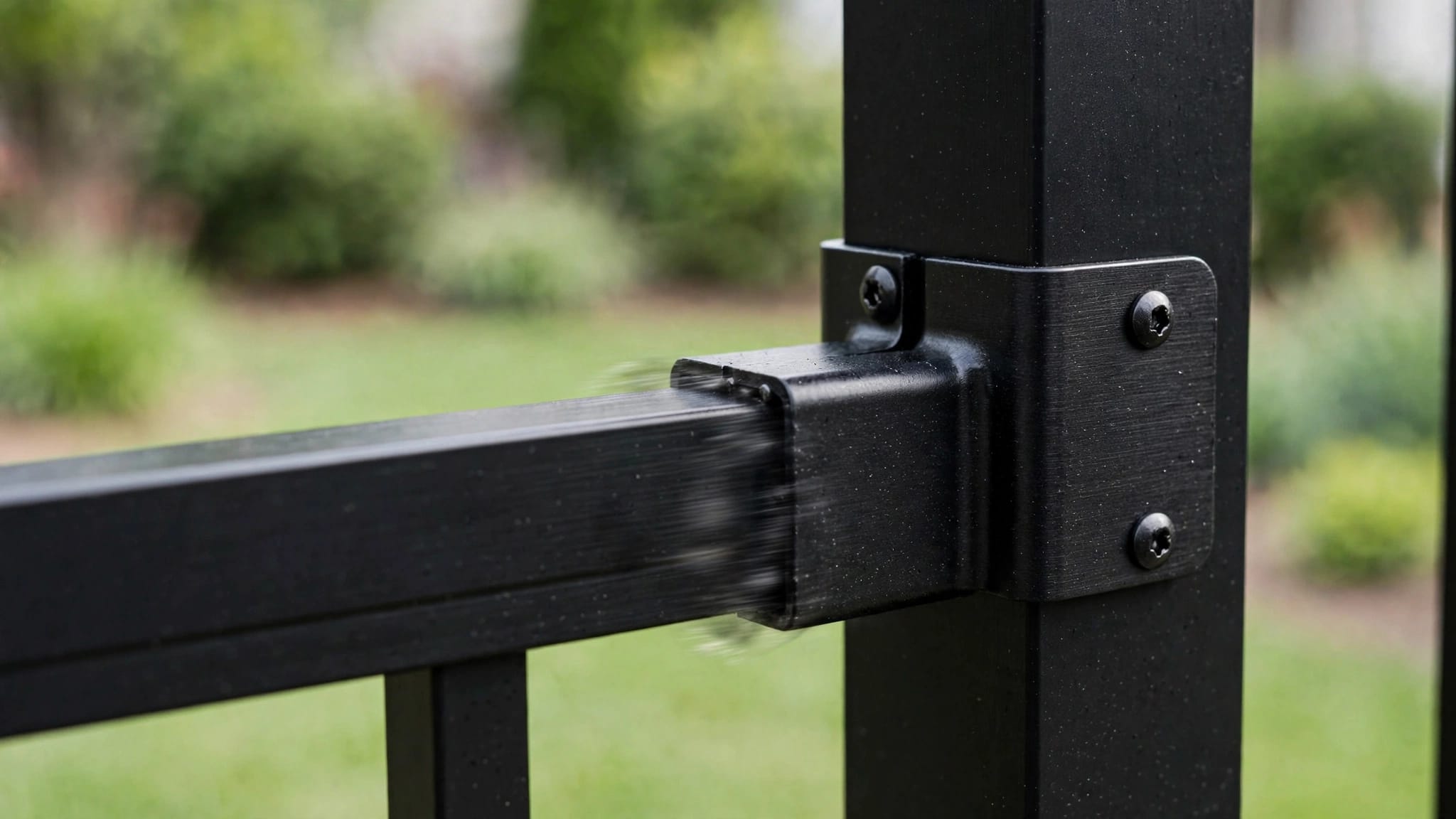
Aluminum caps pair well with aluminum fencing and modern home designs. Aluminum doesn't rust like steel, but its powder coated finish and fasteners still matter in salty, humid conditions. Look for a durable exterior finish and hardware that won't create an obvious corrosion point. Low-profile aluminum caps often suit pool enclosures and open side-yard fences because they add a finished edge without making the fence look heavy.
Wood caps add warmth to cedar, pressure-treated, and other wood fences. When working on a pressure treated deck post or fence line, suppliers like Penn Fencing provide materials that benefit from careful planning. Wood needs more attention in Southwest Florida because moisture can enter end grain and joints. A peaked or sloped cap helps shed water, while a properly sealed surface slows moisture absorption. Pay attention to the cap's underside and cut ends, not only the visible top. Those areas can receive water even when the rest of the fence looks protected.
Metal post caps for chain link posts can protect exposed tubing and give a more complete appearance. However, the cap must match the post diameter and stay secured during high winds. If the fence has a top rail, tension wire, or privacy slats, confirm that the cap won't interfere with those components.
Avoid mixing a bright white cap with a weathered wood fence or a highly ornate cap with a simple modern design unless the contrast is intentional. A consistent finish usually looks better and makes future repairs less noticeable.
Select the Right Shape and Size
The cap's shape affects water management, appearance, and wind exposure. Flat caps have a clean profile, but water can remain on top if the surface doesn't slope. Gently pitched caps direct rain away from the post. Gothic and ball caps create a more traditional look, although their height and profile may draw attention on a short fence.
For most Cape Coral properties, a sloped or peaked cap is a practical choice when rain shedding is a priority. Low-profile designs can be better for windy locations, narrow side yards, and fences near walkways. Decorative post caps may fit a front entrance, but use restraint if your fence already has ornate gates or detailed panels.
Measure the fence or deck post before ordering. Fence sizes are often described by nominal post dimensions, while the actual opening inside a cap can differ. A nominal post sold as a four-inch timber may not accept a cap with a four-inch inside opening. The post caps need enough clearance to slide over the wood without forcing it, but they shouldn't wobble.
Check these measurements before buying:
- The post's outside width and depth to determine post cap sizes accurately
- Whether the post is square, rectangular, or round
- The exact opening size of the hardware
- The post wall thickness or sleeve design
- The true size of the wood compared to the manufacturer specifications
- The amount of cap overlap above the post
Attachment matters as much as size. Some post caps use adhesive, while others use screws, clips, or an internal sleeve. Adhesive can work for a lightweight decorative cap, but the product instructions should identify an exterior-rated option. Screws need careful placement so they don't create unnecessary openings where water can enter. Stainless or corrosion-resistant hardware is a sensible choice near salt air.
A professional installer can check the existing post, especially if the fence has shifted, the post top is uneven, or the cap is part of a gate system. A cap can't correct a leaning post or a loose foundation.
Decide Whether Lighting Belongs on the Posts
Lighted post caps can add useful illumination along a walkway, gate, or patio. Solar post caps avoid wiring, while low-voltage post caps require a cable route and compatible transformer. Each option for your fence or deck has tradeoffs in a hot, wet climate.
Solar post caps need direct sunlight to charge effectively. A fence shaded by a lanai, mature trees, or a neighboring structure may not provide enough exposure. Battery performance also changes with age, heat, and repeated cloudy weather, which can limit these lighting options.
Low-voltage post caps offer more predictable operation, but installation must protect the cable from water and physical damage. The fixture needs a secure mounting point, and any opening around a wire should be sealed according to the manufacturer's instructions. Don't attach a heavy fixture to post caps that weren't designed to carry it.
Keep glare in mind when your fence or deck sits near a bedroom window, sidewalk, or close neighbor. Shielded, low-profile fixtures usually create a softer effect for ambient lighting than bright exposed bulbs. These fence lighting ideas for Cape Coral can help you coordinate cap lights with gates, walls, and outdoor seating.
Additional lighting options should also fit the fence material. A slim fixture complements aluminum's clean lines. On vinyl, choose a cap and light assembly that won't crack the post or create a loose fit. On wood, seal around any drilled opening and inspect it during routine fence maintenance.
Balance Appearance With Maintenance
A fence cap is a small detail, but it sits at eye level in many yards. The shape and color should work with your house trim, gate hardware, pool enclosure, pavers, and landscaping. Matching the cap to the fence often produces a quiet, finished look. A contrasting cap can add definition when the rest of the exterior uses simple colors.
Pool areas need extra care. The cap should coordinate with the fence and enclosure without creating a sharp or distracting profile. If the fence is part of a pool barrier, follow the applicable requirements for height, gate operation, and openings. Decorative choices can't replace code-compliant construction. For ideas that connect fencing with the surrounding enclosure, review these pool area fence designs.
Maintenance remains important even with low-maintenance materials. Rinse salt and dust from exposed surfaces with fresh water. Clean vinyl and powder coated metal with mild soap and a soft brush, keeping in mind that brands like Penn Fencing and LMT Mercer offer reliable hardware for coastal environments. Avoid abrasive pads that can scratch finishes. Inspect a pressure treated deck post for cracking, peeling stain, soft spots, or open joints while checking vinyl post caps near the pool deck.
Check caps after severe wind or a major storm. Look for movement, missing screws, cracked plastic, and gaps between the cap and post. Replace a damaged cap before water reaches the post interior or hardware.
When comparing fence post caps Cape Coral homeowners can use, prioritize fit and weather exposure before decorative details. A well-sized post caps option with a secure attachment will usually last better than an ornate cap chosen only for its appearance, ensuring a finished appearance across your entire property.
Frequently Asked Questions
What size fence post cap do I need to buy?
You should always measure the true outside dimensions of your fence or deck posts rather than relying solely on nominal timber sizes. A cap with the correct inside opening will slide over the post snugly without forcing it or leaving large gaps.
Are aluminum or vinyl post caps better for Cape Coral's climate?
Both materials handle Cape Coral's intense sun, heavy rain, and humidity very well when chosen in exterior-grade finishes. Vinyl requires minimal maintenance and stays cool in white, while powder-coated aluminum offers exceptional durability against strong winds and coastal salt air.
Do solar fence post caps work well in shaded yards?
Solar post caps require direct sunlight to charge effectively throughout the day. If your fence line is heavily shaded by trees, a lanai, or neighboring structures, the built-in batteries may not charge fully and will provide less reliable illumination.
How do I keep post caps from blowing off in high winds?
Proper attachment is essential for preventing wind damage, especially on tall privacy fences or exposed property corners. Depending on the material and manufacturer instructions, secure your caps using exterior-rated adhesives, specialized clips, or corrosion-resistant screws.
Conclusion
The best fence post caps for a Cape Coral home match the fence material, fit the post precisely, shed rain, and use finishes suited to sun, humidity, wind, and salt air. Sloped vinyl and aluminum caps are practical choices for many residential fences, while sealed wood caps can complement a traditional wood installation or a backyard deck post with regular maintenance.
Measure the post, inspect the attachment method, and consider how the cap will look beside your gates, pool enclosure, and outdoor lighting. When the details match the conditions, the post caps you choose can protect exposed post tops while giving the entire yard a finished appearance. Ultimately, investing in quality fence post caps Cape Coral residents rely on will keep your outdoor boundaries looking great for years.