May 4, 2026
Cape Coral property owners often want two things at once, open airflow and real privacy. Chain link privacy slats make that possible without replacing the whole fence.
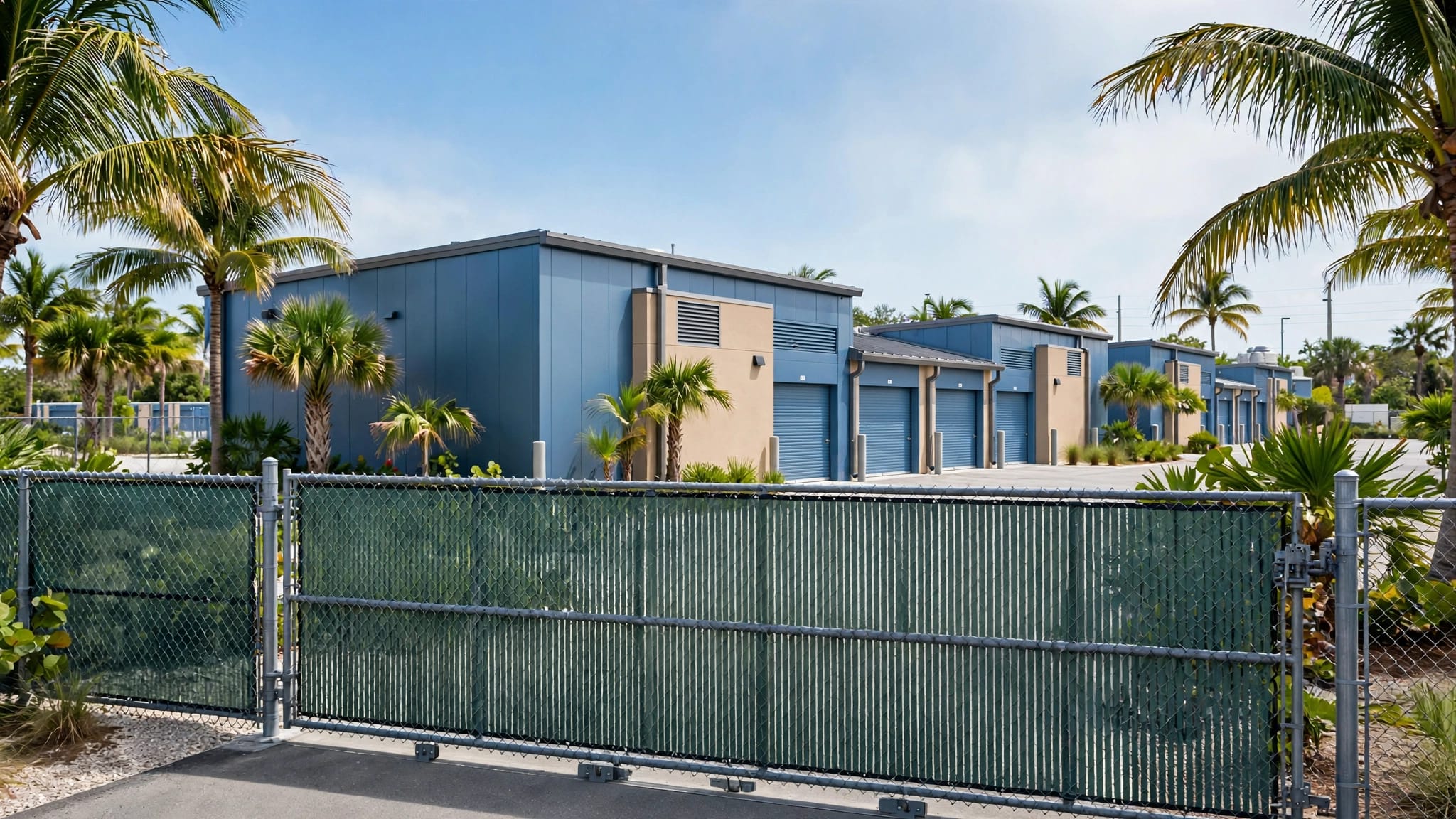
They also fit local needs better than many people expect. Around pools, side yards, storage areas, and commercial lots, slats can soften the view, improve curb appeal, and keep maintenance simple. If you already like the strength and price of chain link fencing in Cape Coral but want a cleaner look, slats are worth a close look.
Why privacy slats work so well on Cape Coral chain link fences
Chain link stays popular for a reason. It is sturdy, affordable, and easy to live with in wet weather. Privacy slats add the part that many owners want most, a screen that changes how the fence feels without changing the whole structure.
The difference shows up right away. Slats break up the grid, so the fence looks less exposed from the street, the backyard, or the lot next door. That matters when your fence borders a patio, a pool, a storage area, or a busy service lane.
There is another plus for Florida properties. Chain link drains well after heavy rain, and it does not hold moisture the way some solid materials can. Slats add more visual cover without turning the fence into a heavy wall. That helps in open areas where wind matters.
A fence can look private and still breathe. That balance is what makes slats useful in Cape Coral.
For many homes and businesses, that balance is the main appeal. You get more privacy, a cleaner line, and a fence that still works with the weather instead of fighting it.
Chain link with slats compared with other privacy options
A lot of Cape Coral owners start with the same question, should they screen an existing chain link fence or replace it with a full privacy fence? The answer depends on how much coverage you need, how much wind your property gets, and how much upkeep you want to handle.
A homeowner's guide to chain link fence options can help you compare slat styles and other add-ons before you commit. In many cases, slats are the middle ground that makes the most sense.
Here is a quick side-by-side look:
| Option | Privacy | Wind relief | Maintenance | Best fit |
|---|---|---|---|---|
| Chain link with slats | Medium to high | Good | Low | Homes and businesses that want screening without a solid wall |
| Solid vinyl privacy fence | High | Lower | Low | Yards that need full blockage and a more enclosed feel |
| Wood privacy fence | High | Lower | Higher | Owners who want a warm look and do not mind more upkeep |
The table tells the story. Slats do not block as much as a solid fence, but they often fit better where airflow and lower upkeep matter. That makes them a strong choice near canals, open corners, side yards, and commercial storage areas.
For businesses, this can be especially useful. A screened fence line can help clean up the view around equipment yards, dumpsters, or delivery areas. If your property needs that kind of control, secure commercial perimeters often start with the fence that is already there.
Where slats make the most sense on local properties
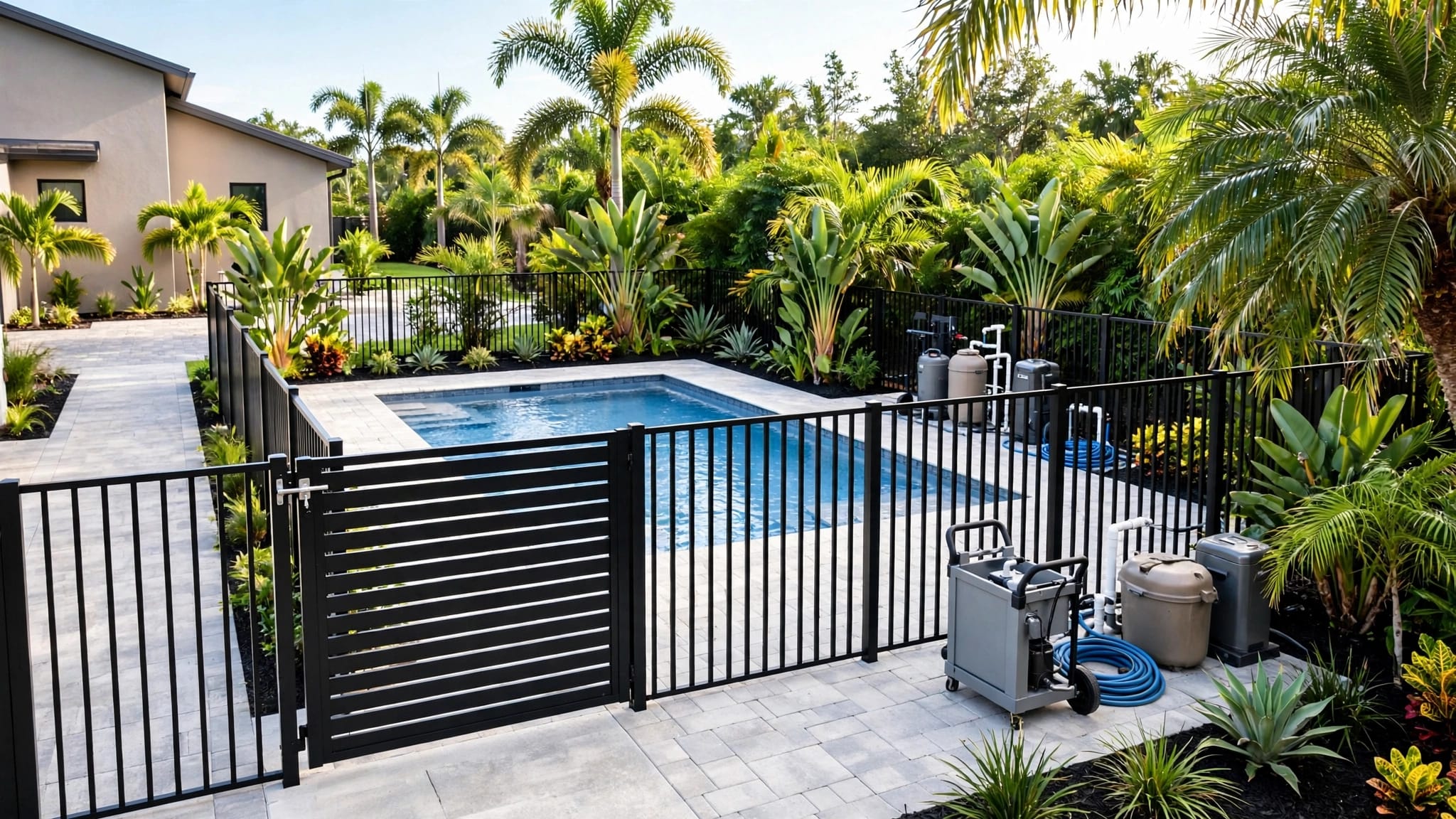
On homes, privacy slats usually shine in the back and sides of the property. They help when neighbors are close, when a pool deck sits in plain view, or when the yard stores items you would rather not display. They can also soften a fence line around a dog run or a garden area.
Cape Coral has plenty of lots where one side of the property feels public and the other feels private. That is where slats earn their keep. You can screen one run more heavily and leave another section more open, which keeps the fence useful without making the whole yard feel boxed in.
Businesses use the same idea in a different way. A retail strip, contractor yard, marina support lot, or storage area may want privacy on the back or service side while keeping the front more open. That mix helps the property look cleaner from the road and more secure around the work area.
The best placement often depends on what the fence is hiding or protecting. A visual screen around a pool is one thing. A screen around tools, pallets, or equipment is another. Both can work well, but the slat density and fence height may differ.
A smart layout also makes daily use easier. If a gate gets used several times a day, you may not want a dense slat pattern right at that opening. If a side yard is narrow, more coverage may make it feel more finished. The same product can solve different problems when it is placed with purpose.
Choosing the right look for Florida weather and daily use
In Cape Coral, a fence has to do more than look good on day one. It has to handle sun, rain, and wind while still fitting the property. That is why the details matter.
Color is one of the first choices. Neutral shades often blend better with stucco homes, painted trim, and landscaping. On commercial sites, a color that matches the building or nearby hardscape can make the whole property feel more organized.
Slat density matters too. More coverage means more privacy, but it also means more surface for wind to press against. That does not mean dense slats are a bad idea. It means the right choice depends on the fence line. Open corners, wide exposures, and tall runs may work better with a lighter pattern.
If you are fencing a front yard or a visible side yard, style matters just as much as screening. A fence that looks too closed off can feel heavy. A fence that is too open may not give enough privacy. That is why some owners look at slatted chain link front-yard styles when they want something more polished than plain chain link.
Several details can guide the final look:
- Match the slat color to the property, so the fence blends in instead of standing out.
- Use denser coverage where privacy matters most, such as patios, pools, or storage runs.
- Ease up on dense coverage in open, windy spots.
- Keep gate designs consistent with the rest of the fence.
- Check HOA or neighborhood rules before you order materials.
That last point matters more than many people expect. Some neighborhoods care about height or appearance, so it pays to confirm the rules before installation begins.
What affects installation, measurements, and price
A good fence quote starts with accurate numbers. The total fence length, the number of gates, and the height all affect the material count and labor time. If those numbers are off, the quote can miss the mark.
That is why many property owners start by learning how to measure fence linear feet for a Cape Coral quote. Once you know the basics, it is easier to compare estimates and ask better questions.
A few items usually shape the job:
- Total linear feet of fence line
- Fence height
- Number and size of gates
- Existing fence condition
- Corners, slopes, or uneven ground
- How much screening you want in each section
Existing chain link can also change the plan. If the posts are straight and the mesh is in good shape, slats may be a clean upgrade. If the fence leans or sections are damaged, repairs may come first. That affects the final appearance as well as the price.
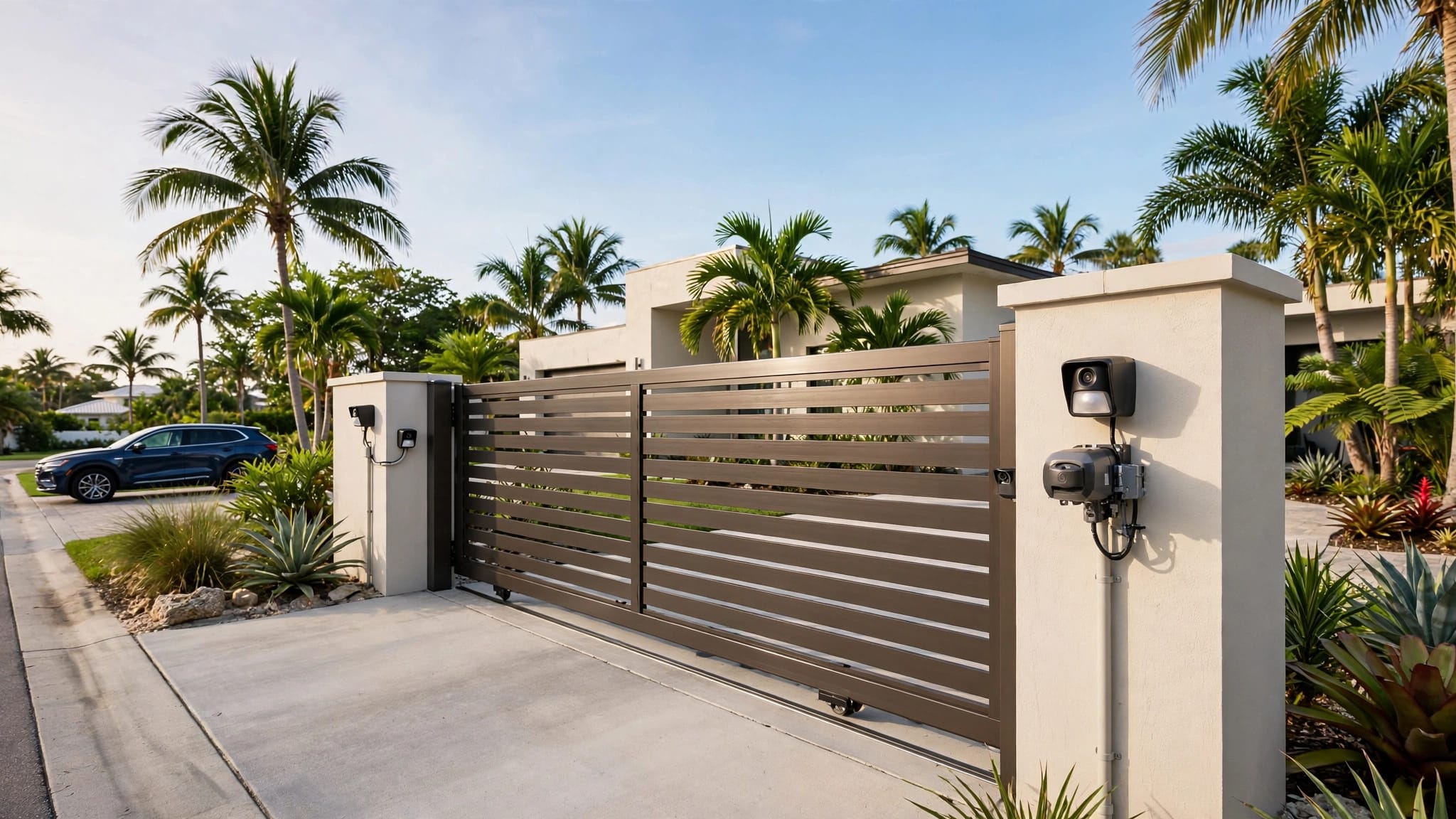
Gates deserve special attention. They should open cleanly and match the rest of the fence line. A mismatched gate can break up the look, especially on a front-facing run or a commercial entrance. Good planning keeps that from happening.
For many Cape Coral owners, the best result comes from a phased approach. Start with the most visible or most private fence line, then add more screening later if needed. That keeps the project manageable and helps you spend where it matters most.
Keeping slatted chain link looking good year after year
One of the strongest reasons to choose slats is simple, they do not demand much. Chain link already has a lower-maintenance reputation, and slats keep that advantage when the fence is installed well.
A quick rinse helps remove salt, dust, and pollen. After a storm, check the corners, gates, and any stretch that takes the most wind. If a slat shifts or a tie loosens, it is easier to fix early. That keeps the fence line neat and avoids bigger wear later.
Nearby plants can also affect how the fence holds up. Shrubs that push hard against the mesh can bend sections or trap debris. Trimming them back makes cleaning easier and helps the slats stay straight. That matters on homes with dense landscaping and on commercial sites with limited space around the fence.
The long-term value is easy to see. You get privacy where you need it, airflow where you want it, and a fence that fits Florida weather better than many heavier options. For property owners who want a practical upgrade without a full rebuild, that is hard to beat.
Conclusion
Cape Coral fences need to work in heat, wind, and salt air, so the best choice is usually the one that keeps things simple. Chain link with slats does that well. It adds privacy, softens the look of a property, and keeps the low-maintenance side of chain link intact.
The right setup comes down to the site. Think about where privacy matters most, how much wind the fence line gets, and how the fence should look from the street. When those details line up, privacy slats become a smart fit for homes and businesses alike.