May 3, 2026
A horizontal fence can make a Cape Coral yard look wider, cleaner, and more current, but the wrong build turns that simple look into a fast repair job. Sun, salt air, summer rain, and storm winds all push the design in different ways.
If you're planning a modern fence for a Florida home, material choice, post layout, and permit details matter as much as style. The best results come from a plan that fits your lot first, then your taste.
This guide breaks down the choices that hold up well here, so you can ask better questions before you request estimates.
Why horizontal fences fit modern Cape Coral homes
Horizontal lines work well with the low, open feel of many Southwest Florida houses. They echo long driveways, wide lanais, and flat rooflines. That makes the whole yard feel calmer and more connected.
They also soften a fence's visual height. A six-foot run can feel less heavy when the boards go side to side. That helps on smaller lots, where vertical pickets can look busy or crowded.
If curb appeal matters, take a look at best Cape Coral front yard fence styles. Open front designs and horizontal accents often give modern homes a cleaner street view without making the property feel boxed in.
A horizontal fence also plays well with simple landscaping. Palms, stone beds, and low shrubs keep the look light. Tall, dense plantings can fight the fence instead of framing it.
Still, horizontal doesn't mean "best" on every lot. A narrow side yard near a pool, a canal edge, or a corner lot may need a different balance of privacy and airflow. The style should fit the job first, then the look.
Materials that handle salt, heat, and heavy rain
A horizontal fence shows off its materials more than many other fence styles. Every slat is visible, so warping, fading, and loose fasteners stand out fast. That makes the material choice the real decision, not just the pattern.
Here's a simple way to compare the common choices.
| Material | What it does well | Watch for |
|---|---|---|
| Wood | Warm look, easy to match with modern homes | More upkeep, plus rot, termites, and warping |
| Vinyl | Clean lines, low day-to-day maintenance | Needs solid support, and very solid panels can catch more wind |
| Aluminum | Strong in salt air, light on the structure | Privacy is lower unless the design uses tighter spacing |
| Louvered or mixed designs | Adds shade and keeps some airflow | Needs careful planning so the look stays balanced |
For Cape Coral, aluminum and vinyl are the safest low-maintenance bets for many homeowners. They stand up better to moisture and salt than plain wood. They also keep the modern look sharp with less repainting.
Aluminum works well when you want crisp lines and a lighter feel. Powder-coated finishes help it keep its color, and the metal does not absorb water like wood. Vinyl is a good choice when you want a clean, steady look with little day-to-day care.
Wood can still work if you want warmth and texture. If that's your style, Cape Coral wood fence maintenance guide is a useful reminder of how much care humid weather asks for here. A horizontal wood fence needs smart spacing, good drainage, and hardware that won't rust out after one storm season.
No matter which material you choose, pay attention to posts and fasteners. A fence fails from the frame more often than the face. Strong slats mean little if the posts move or the screws corrode.
Planning for lots, permits, and waterfront rules
Cape Coral fence projects work best when the layout is checked early. Front yards, side yards, corner lots, and canal lots can each bring different limits. A fence that looks great on paper can still miss the mark if it sits too far forward or blocks a sight triangle.
For a new home or a remodel, fence planning new Cape Coral builds is worth reading before sod and pavers go in. It is easier to set posts, protect irrigation, and keep drainage open when the ground is still flexible.
Front yards are usually tighter than back yards, so placement matters early. Corner lots can be tighter still. That is why a horizontal fence should be drawn with the lot, not just the style, in mind.
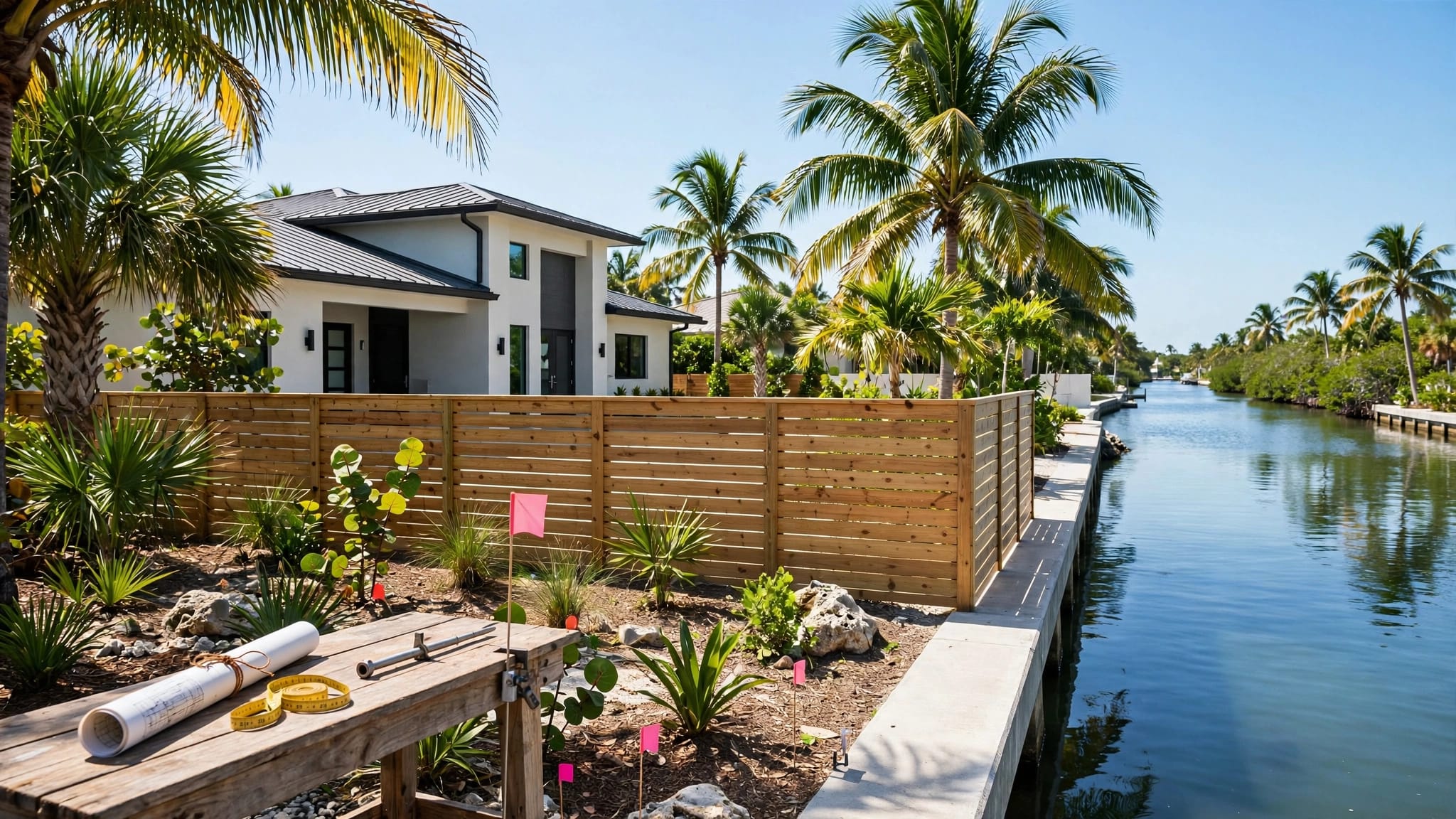
Waterfront homes need extra care. If your yard backs up to a canal, don't assume a solid horizontal privacy fence will work everywhere. Open designs often fit better near water and street views, and they usually feel lighter in the wind. If your lot has that setup, best canal-front fences Cape Coral can help you compare what tends to fit better.
On canal lots and corner lots, the fence line should follow the lot, not just the style trend.
As of early 2026, Cape Coral fence permits are still part of the process, and height limits are usually different for front and back yards. That means you should verify current city rules and HOA standards before you order materials. A good contractor should help with that check, not guess at it.
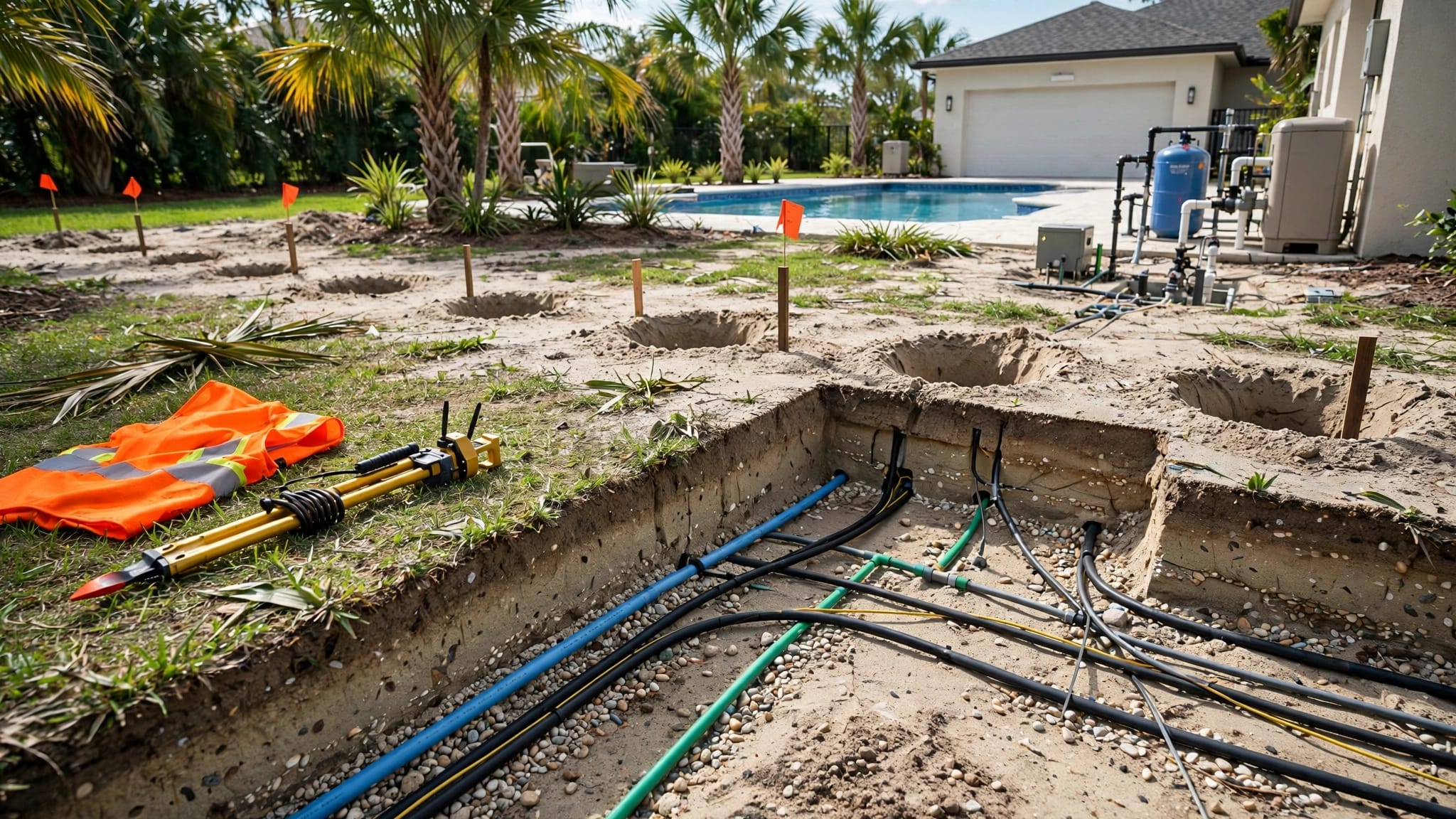
Drainage matters too. Heavy rain can wash around shallow posts and leave a fence leaning after the first wet season. If the yard holds water, the post plan should account for it before the first hole is dug.
Design details that make the fence look finished
Horizontal fences look clean only when the details are clean. Uneven gaps, crooked posts, and mismatched gate frames stand out right away because the lines run across the whole fence. That means the smallest flaw is easy to see.
Color matters too. Black, bronze, charcoal, and warm wood tones all work well with stucco walls and modern trim. Lighter colors can fit too, but they show dirt and algae faster in humid weather. In Cape Coral, a finish that hides salt residue is easier to live with.
Board width changes the whole feel. Wider slats look more modern and calm, while thinner boards can create a busier pattern. Tight spacing adds privacy, but it can also make the fence feel heavy if the lot is small. A little air space often gives the best balance.
A strong gate deserves the same attention as the fence line. Wide horizontal gates need sturdy framing, good hinges, and a latch that stays aligned. If the gate drags within a year, the whole fence feels off, even if the rest looks good.
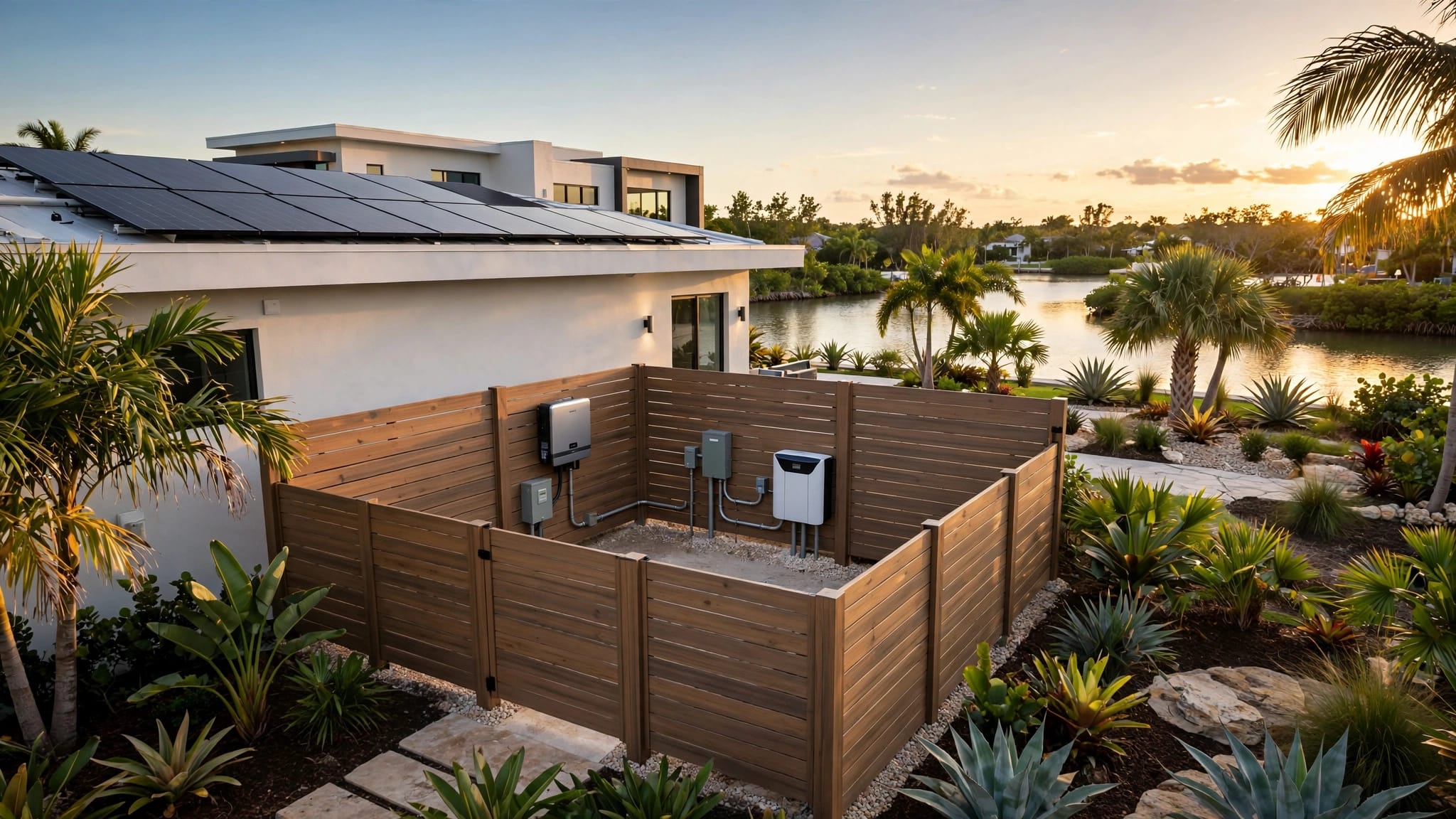
A mixed-material fence can also work well. For example, a dark metal frame with wood-look slats gives a modern edge without making the yard feel cold. That blend fits many Florida homes because it looks sharp and still feels relaxed.
You can also use the fence to shape the yard. A taller run near the patio, a lower section near the street, and a matching gate can make the property feel planned instead of patched together. That kind of detail is what separates a plain barrier from a finished exterior feature.
Maintenance that keeps the fence sharp after storm season
Cape Coral weather is hard on any fence. Sun fades color. Humidity feeds mildew. Heavy rain tests post holes. Then salt air finishes the job if the material is weak.
A short maintenance routine keeps small problems from growing:
- Rinse the fence after windy, salty days.
- Check gates, hinges, and latches after storms.
- Trim plants back so moisture doesn't sit on the boards.
- Re-seal or repaint wood before the finish breaks down.
- Clean mildew early with a gentle wash, not harsh scrubbing.
Wood needs the most attention. Vinyl needs the least, though it still benefits from a wash now and then. Aluminum sits in the middle, with occasional cleaning and hardware checks. In all three cases, the posts matter more than the paint color.
A simple seasonal check works well in Southwest Florida. Look at the fence after summer storms, then again before the dry season ends. If you spot leaning posts, swollen boards, or standing water near the base, fix the cause early. Small repairs are cheaper than a rebuild, and they help a modern fence keep its clean lines.
If the fence sits near landscaping, keep mulch and soil off the bottom edge. Material that stays damp all week wears out faster. Good airflow near the base can add years to the life of the fence.
Conclusion
A Cape Coral horizontal fence works best when it suits the weather as much as the house. That means choosing a material that can handle sun, salt, and rain, then laying it out with local lot rules in mind.
The cleanest fence on the block still needs the right posts, spacing, and gate support. If you get those parts right, the fence will look modern without becoming a maintenance headache.
Before you ask for estimates, bring photos of your home, your lot lines, and any canal, corner, or front-yard concerns. That makes the design conversation faster and helps the finished fence look right the first time.