May 2, 2026
Cape Coral weather can turn a neat fence edge into a mess fast. Heavy rain, strong sun, and constant irrigation all work on the same strip of ground, so the wrong mulch can hold too much moisture, wash away, or bake into a hard crust.
The right Cape Coral fence line mulch does more than look clean. It helps slow weeds, supports drainage, and keeps air moving around the base of the fence. That matters even more in narrow side yards where every inch has a job.
What fence lines in Cape Coral need from mulch
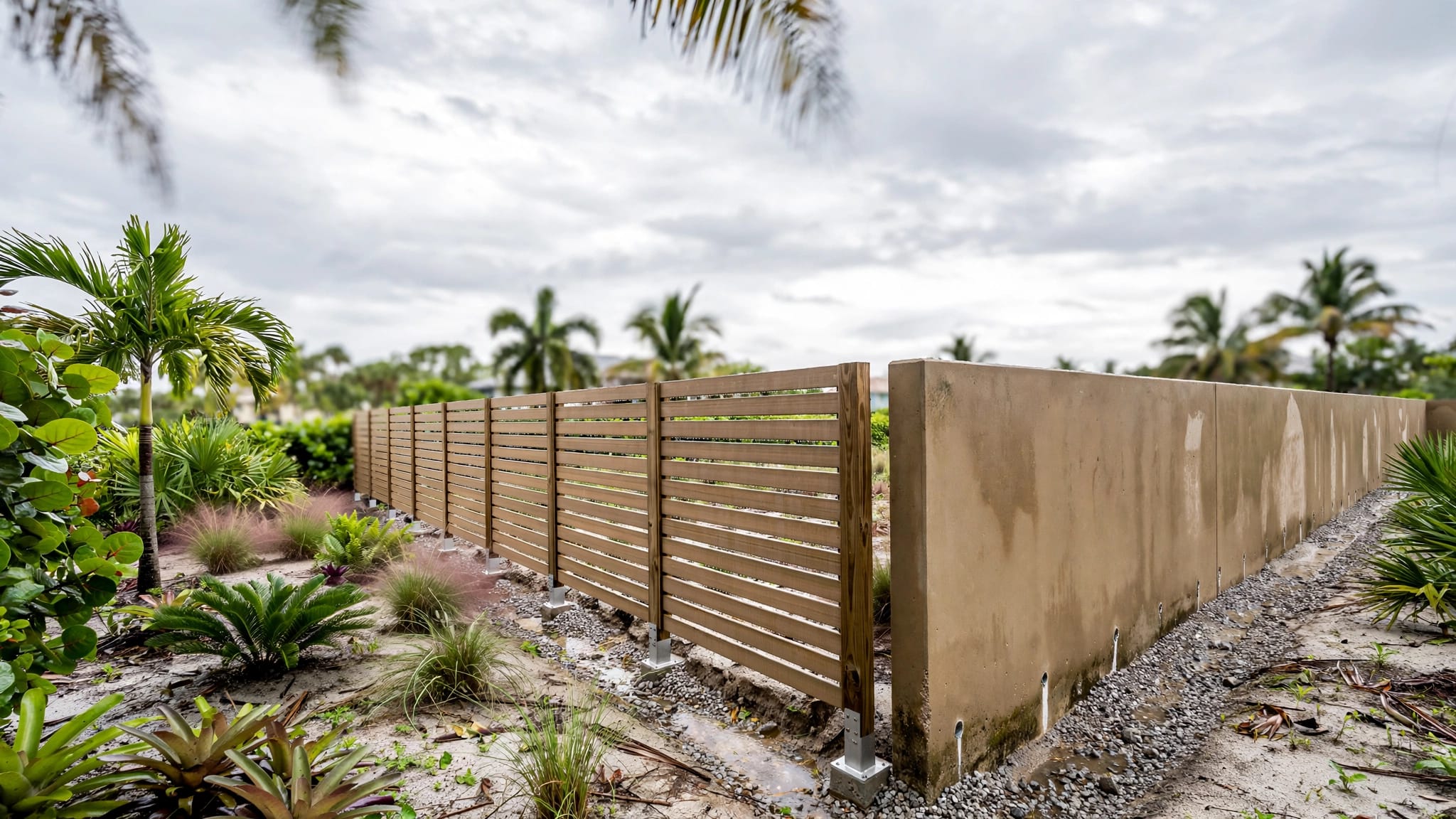
Fence borders in Southwest Florida need a mulch that can handle heat without trapping water. A bed that stays wet too long can stain vinyl, shorten the life of wood, and make post bases stay damp after storms.
You also want mulch that stays put. Wind, runoff, and sprinkler spray can move light material fast, especially along side yards and corner lots. For wood fences, keeping mulch off the bottom edge matters even more. If you need a deeper look at that issue, wood fence maintenance in humid yards covers the moisture risks in detail.
A fence line should breathe. If mulch presses moisture against the base, the bed works against the fence instead of helping it.
The mulch options worth considering
Here's a quick side-by-side look at the main choices homeowners use along Cape Coral fence lines.
| Mulch type | Best use along fence lines | Main benefits | Main tradeoffs |
|---|---|---|---|
| Pine bark mulch | General fence beds | Tidy look, decent weed control, holds shape well | Can shift in heavy rain if applied too light |
| Pine straw | Budget side yards | Cheap, easy to spread, good for quick coverage | Breaks down faster and needs more topping off |
| Cypress mulch | Decorative beds | Warm color and a neat finish | Environmental concerns and mixed sourcing quality |
| Rock or river stone | Low-maintenance areas | Long life, no decomposition, good around dry beds | Hotter surface, more runoff, harder to repair later |
| Dyed wood mulch | Fast curb appeal | Easy to find, affordable, uniform color | Fades, mats down, and still needs refreshing |
The takeaway is simple. No mulch wins every category. The best choice depends on how much water hits the fence, how narrow the bed is, and how often you want to refresh it.
Pine bark mulch works well for most homes
Pine bark is often the safest all-around pick for fence lines in Cape Coral. It looks clean, handles normal rain well, and gives you better weed suppression than pine straw.
It also fits well beside wood, vinyl, and aluminum fences. Still, it should sit in a moderate layer, not piled high. If you want the yard to feel finished without turning the fence base into a wet trench, pine bark is hard to beat. It pairs well with broader landscape work, too, especially if you are planning Cape Coral landscaping with mulch and palms around the same perimeter.
Pine straw is the best budget option
Pine straw is light, quick to install, and usually costs less than bark. That makes it a strong pick for long side yards or big fence runs where you want coverage without a big bill.
Its weak point is durability. Heavy rain can move it around, and it breaks down faster than bark. Even so, it can be a smart choice for homeowners who want weed control now and don't mind topping it off more often. For a budget fence border, pine straw gets the job done.
Cypress mulch looks good, but ask where it came from
Cypress mulch still shows up in many yards because it has a classic Florida look. It can hold color fairly well and give fence beds a neat finish.
The concern is sourcing. Cypress is tied to wetland systems, so many homeowners prefer to avoid it unless the supplier can clearly explain where it came from. If you like the color and texture, compare it with pine bark first. In many cases, pine bark gives you a similar look with fewer questions.
Rock and river stone are the low-maintenance choice
Stone does not break down, so it stays put longer than organic mulch. That makes it useful in areas that get blown around a lot or in spots where you want less weekly upkeep.
The tradeoff is heat. Rock can get hot in full sun, and it can make a narrow fence line feel harsher in summer. It also makes repairs harder if you ever need to dig near the fence. If sprinklers hit the area, runoff can move soil under the stone and create a mess below the surface. That is why preventing wood rot from irrigation overspray matters so much on fence edges.
How to place mulch so it helps, not hurts
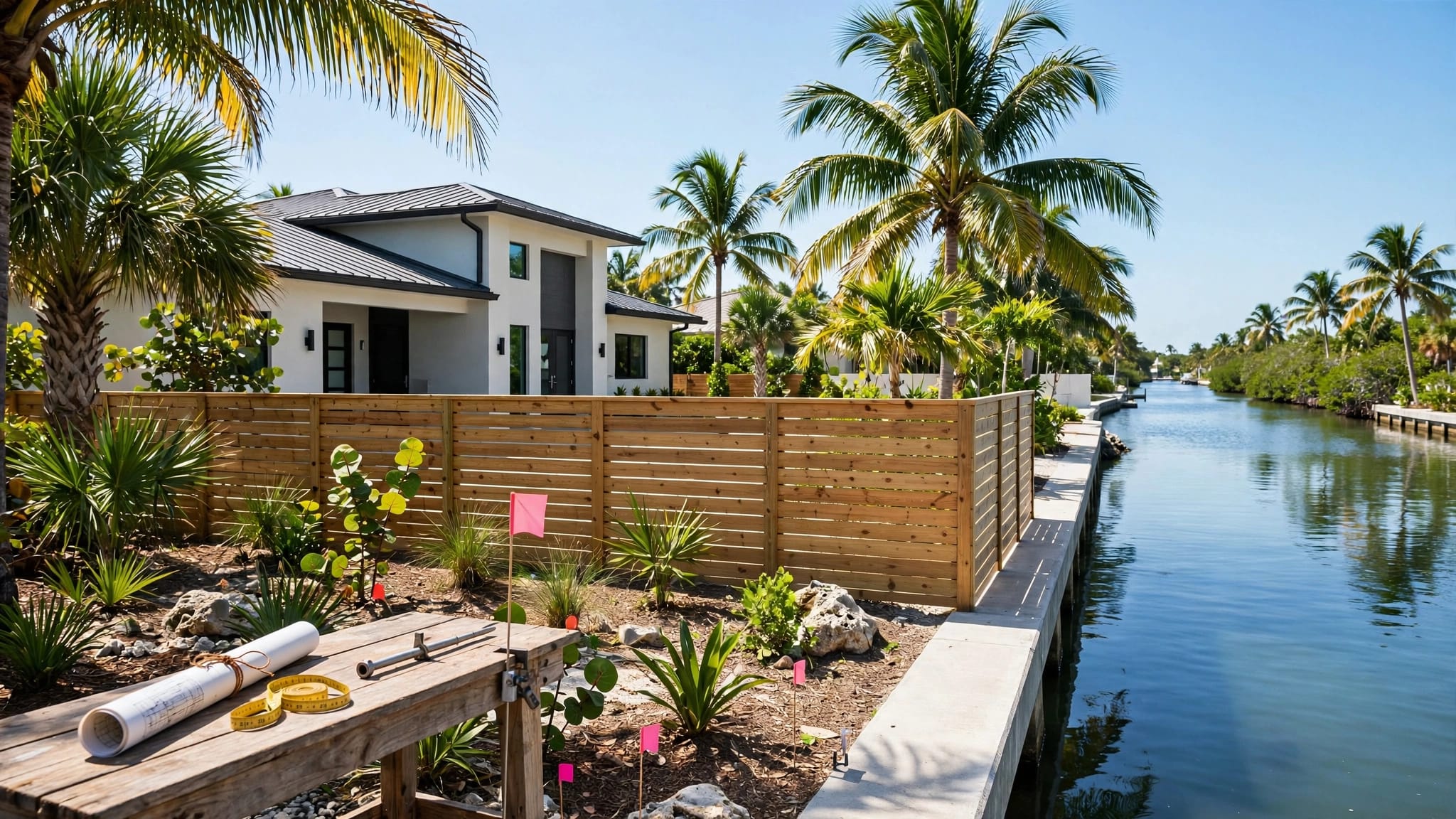
Good mulch choice matters, but placement matters just as much. Keep a small clear strip at the base of the fence so air can move and moisture can dry out. That is especially important for wood fences, where damp contact can lead to early wear.
Watch your sprinklers, too. If spray hits the fence every day, even a good mulch bed can stay too wet. Adjust heads so they water the bed, not the boards or posts. In narrow side yards, use a slimmer bed profile so runoff has a place to go instead of pooling along the line.
A few other habits help a lot:
- Keep mulch below the bottom edge of wood fence boards.
- Rake it back after heavy rain if it starts to pile up.
- Refresh organic mulch before it turns thin and patchy.
- Check for ants, termites, and mud tubes during routine yard walks.
- Avoid burying fence posts or hardware in mulch.
If you have a tight lot line or a fence that runs close to a walkway, plan the mulch with the whole yard in mind. Fence layout, drainage, and planting should work together, not fight each other. That is where a well-planned perimeter helps most.
Conclusion
For most Cape Coral fence lines, pine bark mulch is the best overall choice because it balances looks, weed control, and upkeep. Pine straw is the best budget option, while rock or river stone is the best low-maintenance pick if you can live with more heat. For the strongest weed control, pine bark usually wins, especially in narrow side yards where you can keep the bed clean and even.
The best mulch is the one that fits your fence, your irrigation, and the amount of maintenance you want to do. Keep it off the fence base, let the line breathe, and the whole border will hold up better through Cape Coral heat and rain.