March 4, 2026
When homes sit close together, privacy can feel like a luxury. In many Cape Coral neighborhoods, especially newer builds, side yards are tight and windows line up. A well-planned Cape Coral privacy fence fixes that fast, but zero-lot-line layouts add real constraints.
The goal isn't just "put up a 6-foot fence." It's choosing a design that blocks sightlines, fits narrow access, avoids easements and utilities, and still works during storm season. Below are practical, buildable ideas that match how Cape Coral properties are actually laid out.
Start with the lot line reality (and avoid rework)
Zero-lot-line homes force you to plan from the edges inward. First, confirm where your fence is allowed to go. Cape Coral typically allows 6-foot residential fences in side and rear yards, with up to 8 feet in some cases (like when a residential property borders commercial). Front-yard fences are often limited to about 3 feet , and fences generally can't extend in front of the forward-most part of the home. Rules can vary by zoning and community, so verify before you buy materials.
Permits matter here. In Cape Coral, fence installs commonly require a permit, and the city will want a site plan that shows property lines, linear footage, gates, and easements. HOA rules can be stricter than the city, so get HOA sign-off early.
Biggest zero-lot-line mistake: building first, then learning the fence landed in an easement or crossed the line by a few inches.
Also, think about "future you." If a fence sits directly on the property line, maintenance access can get tricky. Many homeowners choose a small inside offset (often 2 to 6 inches ) so they can clean and service their side without stepping onto a neighbor's property. On very tight side yards, that small offset can be the difference between easy upkeep and constant frustration.
Finally, handle utilities before layout is "final." Call to locate underground lines, then keep fence posts and gate hardware away from marked utilities. Utility conflicts are one of the fastest ways to delay a project.
If you're comparing installers, this guide helps you ask smarter questions up front: hiring a Cape Coral fence contractor.
Privacy fence layouts that work in tight side yards
On a zero-lot-line lot, the fence isn't just a boundary, it's a visual shield. The best layouts block views from the closest neighbor first, then "finish" the yard so it feels intentional.
Make the close-side run the main privacy wall
If one side of your house sits only a few feet from the neighbor's, treat that side fence as the primary screen. A solid 6-foot privacy panel is common, but you can also mix styles to reduce wind load while keeping privacy.
A simple layout that works well:
- Solid privacy on the close side yard and rear yard.
- More open (or shorter) fencing on the wider side yard if you want airflow and less "boxed in" feeling.
Add a short "return" to block angled sightlines
Even with a tall fence, angled views can slip in around corners. A short return panel closes that gap. A typical return length is 2 to 4 feet off the back corner of the house, lined up to block the neighbor's patio or side window view.
Plan gates around real use, not just code minimums
A gate that's too narrow becomes a daily annoyance. Common, workable sizes:
- 36 inches clear opening for a standard walk gate.
- 42 to 48 inches if you'll move trash bins, bikes, or a mower often.
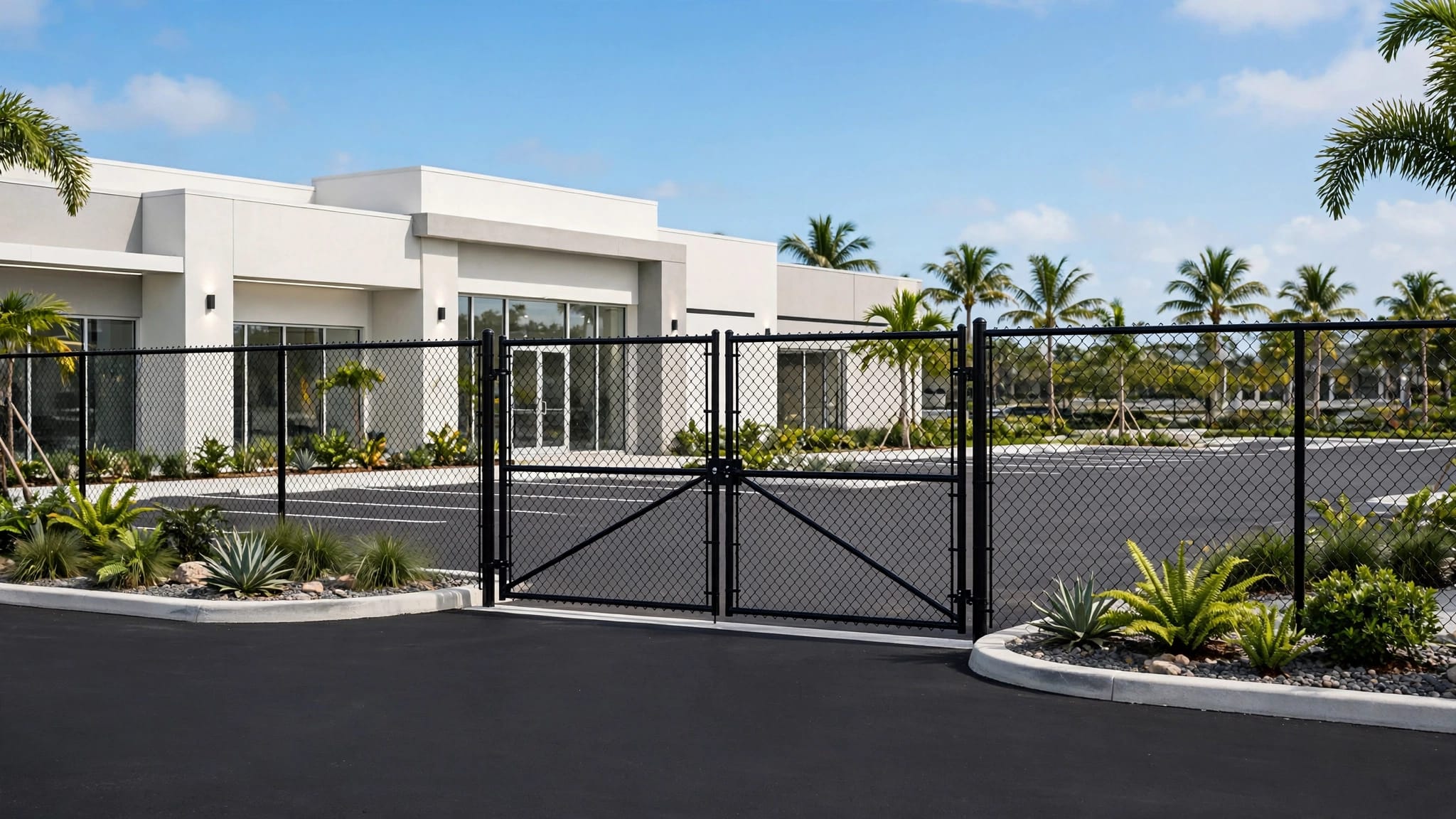
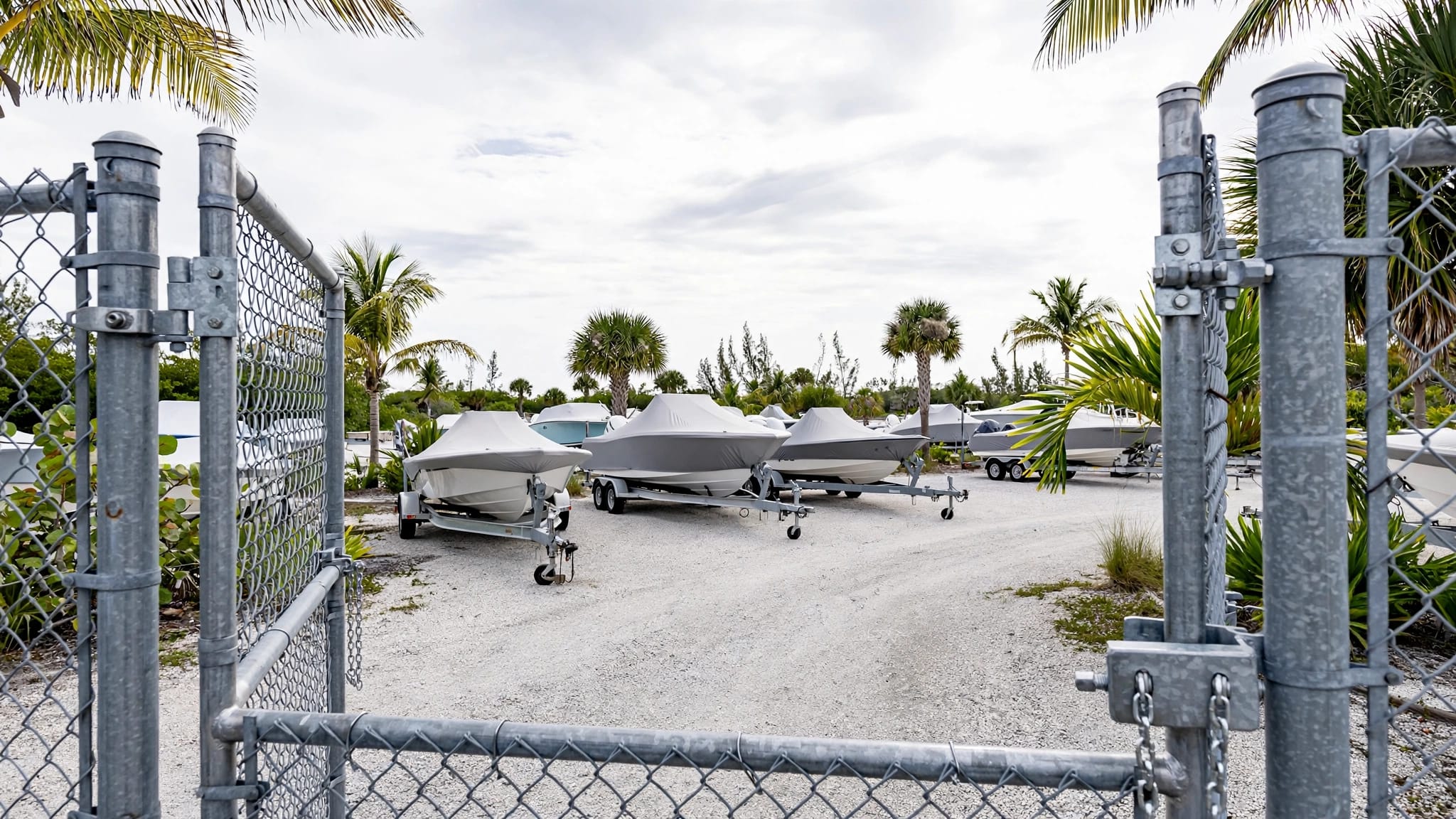
- 10 to 12 feet for a two-leaf driveway gate when you need trailer or boat access (space permitting).
Set gates where you can actually approach them. On narrow side yards, a gate that swings into a tight pinch point tends to scrape, bind, and sag sooner.
Here's a quick way to match common zero-lot-line problems to design fixes:
| Zero-lot-line challenge | Practical design idea | Typical dimension range |
|---|---|---|
| Neighbor can see past the back corner | Add a return panel | 2 to 4 feet long |
| No room to clean the outside face | Offset fence slightly inside your line | 2 to 6 inches |
| Mower and bins don't fit | Upgrade walk gate width | 42 to 48 inches |
| Yard feels like a corridor | Mix solid and semi-private sections | 6-foot solid where needed |
The best layouts feel quiet and private, but still leave you room to live.
Material and style choices that hold up in Cape Coral conditions
In Southwest Florida, a privacy fence has to deal with sun, salt air, sprinklers, and hurricane winds. Style matters, but performance matters more when your fence sits close to the home next door.
Solid privacy vs wind pressure
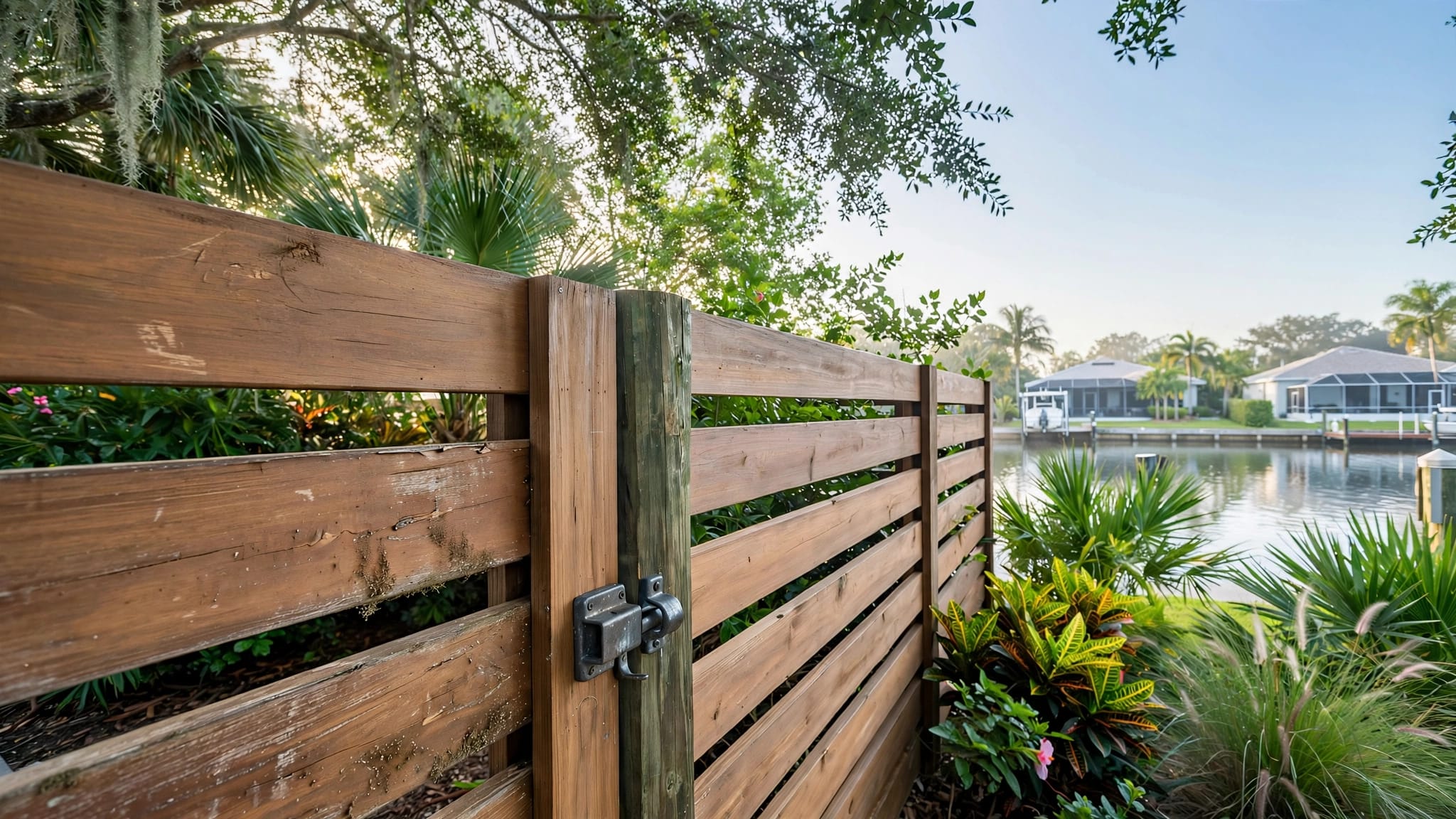
Solid panels give the most privacy, but they also catch wind. If you want a solid Cape Coral privacy fence , focus on the build details that keep it standing:
- Stronger posts at corners and gates
- Reinforced gate frames
- Footings sized for sandy soil
In Cape Coral, deeper footings are common for privacy installs, often in the 42 to 48-inch embedment range, depending on soil, height, and layout. Gate and corner posts usually need the most attention because they take the highest stress.
For a material comparison tailored to local weather, this overview is helpful: vinyl vs aluminum fences in Cape Coral.
Semi-private designs that still block the "close-side" view
If you want airflow and less wind load, consider semi-private options:
- Board-on-board (blocks views better than standard shadowbox).
- Louvered-style panels that angle sightlines away.
- Picket with privacy inserts in targeted sections (like the side yard facing a neighbor's patio).
These designs can feel lighter while still stopping direct views from the closest neighbor.
Drainage and bottom clearance matter more than people expect
Cape Coral yards often have swales and drainage paths. A fence that blocks water can cause yard pooling and neighbor disputes. Keep a consistent bottom gap, commonly 1 to 2 inches , unless grade changes require more. On sloped swales, stepping the fence (instead of racking it tight to the ground) can protect drainage flow and reduce panel stress.
Also, canal-adjacent properties can have extra restrictions. In some cases near waterways, the rear portion of the yard may require more open fencing above a certain height. Confirm this early if you back up to water.
For storm-focused planning, see: hurricane-resistant fences in Cape Coral.
And if you're budgeting options like extra gates, demolition, or tight-access labor, start here: fence installation costs in Cape Coral.
Before you build: a short homeowner checklist
A little prep prevents most fence headaches, especially on zero-lot-line lots.
- Survey in hand : Confirm property lines and any recorded easements.
- Locate utilities : Mark underground lines before post locations are finalized.
- Permit and HOA approval : Verify height, placement, material, and color rules.
- Drainage check : Identify swales, low spots, and where water flows after heavy rain.
- Gate plan : Choose widths based on real use (bins, mower, trailer access).
- Neighbor notice : Give a friendly heads-up, especially if the fence sits on or near the line.
- Access plan : Decide how crews and materials reach the backyard on a tight side yard.
Conclusion
Zero-lot-line homes don't leave much room for mistakes, but they reward good planning. The right Cape Coral privacy fence blocks the close-side views, respects drainage and easements, and stays sturdy through summer storms. If you map the layout first, choose a wind-smart style, and size gates for real life, your yard will feel bigger and calmer. What would change the most for your home, blocking a patio view, quieting a side yard, or finally getting a gate that works?