September 30, 2026
A fence can make your vegetable garden harder to use if it blocks sunlight or puts the gate in the wrong place. The most useful Cape Coral fence ideas start with your beds, access routes, and weather exposure , before you choose a style.
Your garden needs protection without losing light, airflow, or room to work. Start with the layout, then compare materials and installation details that suit Southwest Florida conditions.
Plan the Fence Around Sunlight and Airflow
Check shadows before choosing privacy panels
Tomatoes, peppers, and many other vegetables need plenty of direct sunlight. However, a tall, solid boundary can shade nearby beds for part of the day.
Watch the proposed fence line in the morning and afternoon. Also consider seasonal changes, because winter shadows reach farther than summer shadows. Nearby houses, trees, and existing fences already affect the available light.
If privacy is your priority, discuss screening selected sections rather than surrounding every bed with solid panels. That gives your contractor a clearer goal: screen the area that needs privacy while keeping the growing space open.
Leave breathing room around beds
Cape Coral's humidity makes airflow an important garden-planning concern. Dense planting against a solid fence can create a sheltered pocket that stays damp after rain.
Keep working space between beds and the proposed boundary. You'll need access for harvesting, trimming, irrigation repairs, and fence maintenance.
Avoid designing the fence as permanent support for every climbing crop. Separate trellises give you more flexibility when crops change. They also let the installer evaluate the fence without extra vegetation, attachments, or irrigation equipment affecting the design.
Cape Coral Fence Ideas for an Open Garden
Several familiar residential styles can fit a vegetable-garden layout. The right choice depends on whether you want an open boundary, selective screening, or a separate enclosure within an already fenced yard.
Use these differences to narrow the discussion with your contractor.
| Fence option | Garden-planning advantage | Detail to review |
|---|---|---|
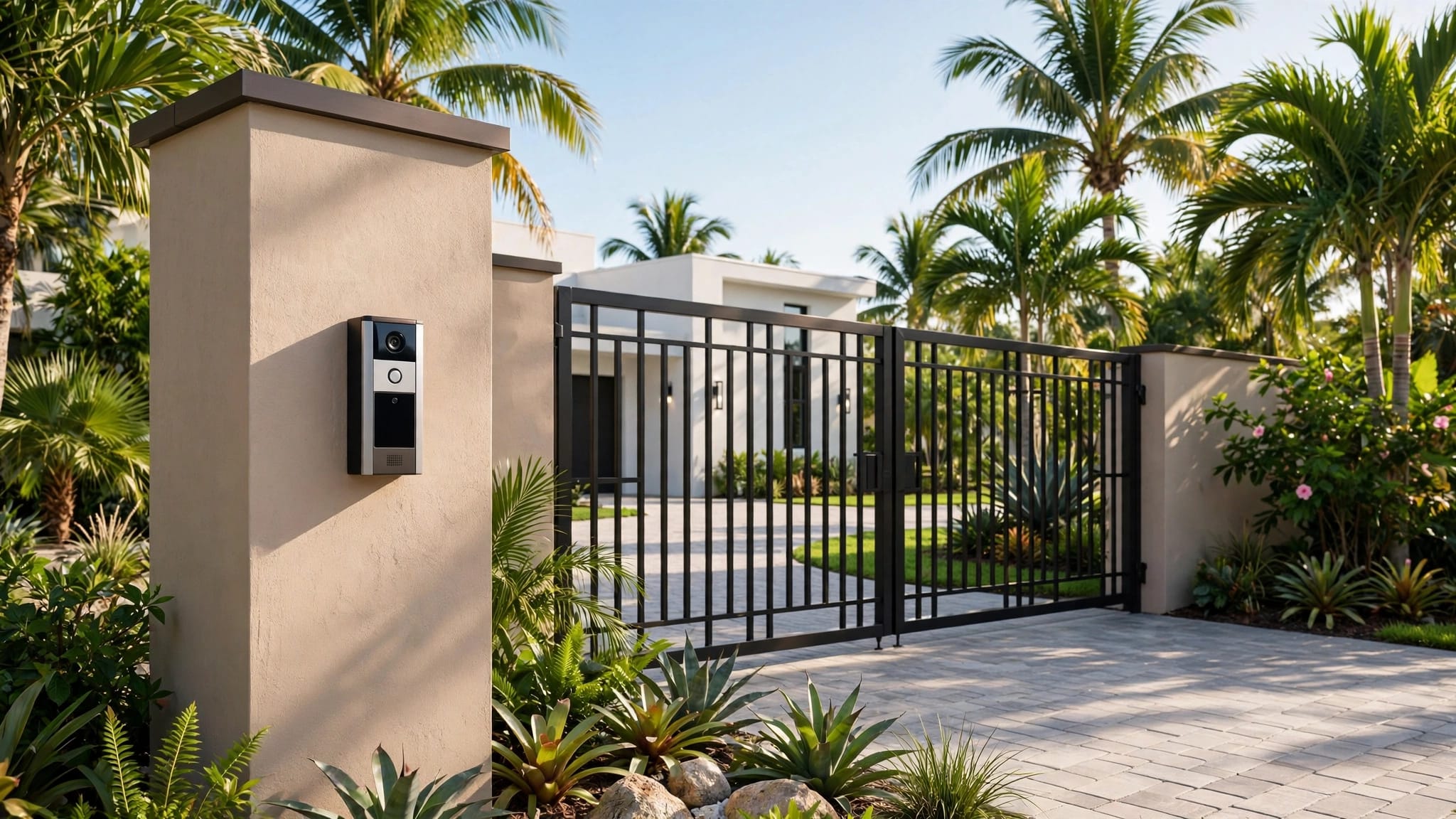
| Aluminum pickets | Open views and a defined boundary | Picket openings, coating, and gate hardware |
| Chain link | Visibility through the enclosure | Fabric, protective coating, and bottom conditions |
| Vinyl pickets | An open decorative border | Product quality, connections, and maintenance access |
| Vinyl privacy panels | Screening along selected boundaries | Shade, airflow, and wind-design details |
| Wood fencing | Flexible appearance and screening styles | Moisture exposure, finish, and ongoing upkeep |
An open style deserves consideration where light and visibility matter. However, the openings must suit your actual protection goals.
Royal Fence's vinyl privacy and decorative fencing includes privacy, decorative, and semi-private options. Those choices let you discuss different layouts without assuming every vinyl fence creates the same garden conditions.
Wood can also suit a backyard garden's appearance. In Southwest Florida, though, include cleaning, finish maintenance, and potential board repairs in your decision.
A smaller garden enclosure may be enough when an existing perimeter already handles privacy and general yard security. Have the contractor price both approaches before committing to a full backyard replacement.
Choose Coastal Details, Not Just a Material
Review coatings and connections
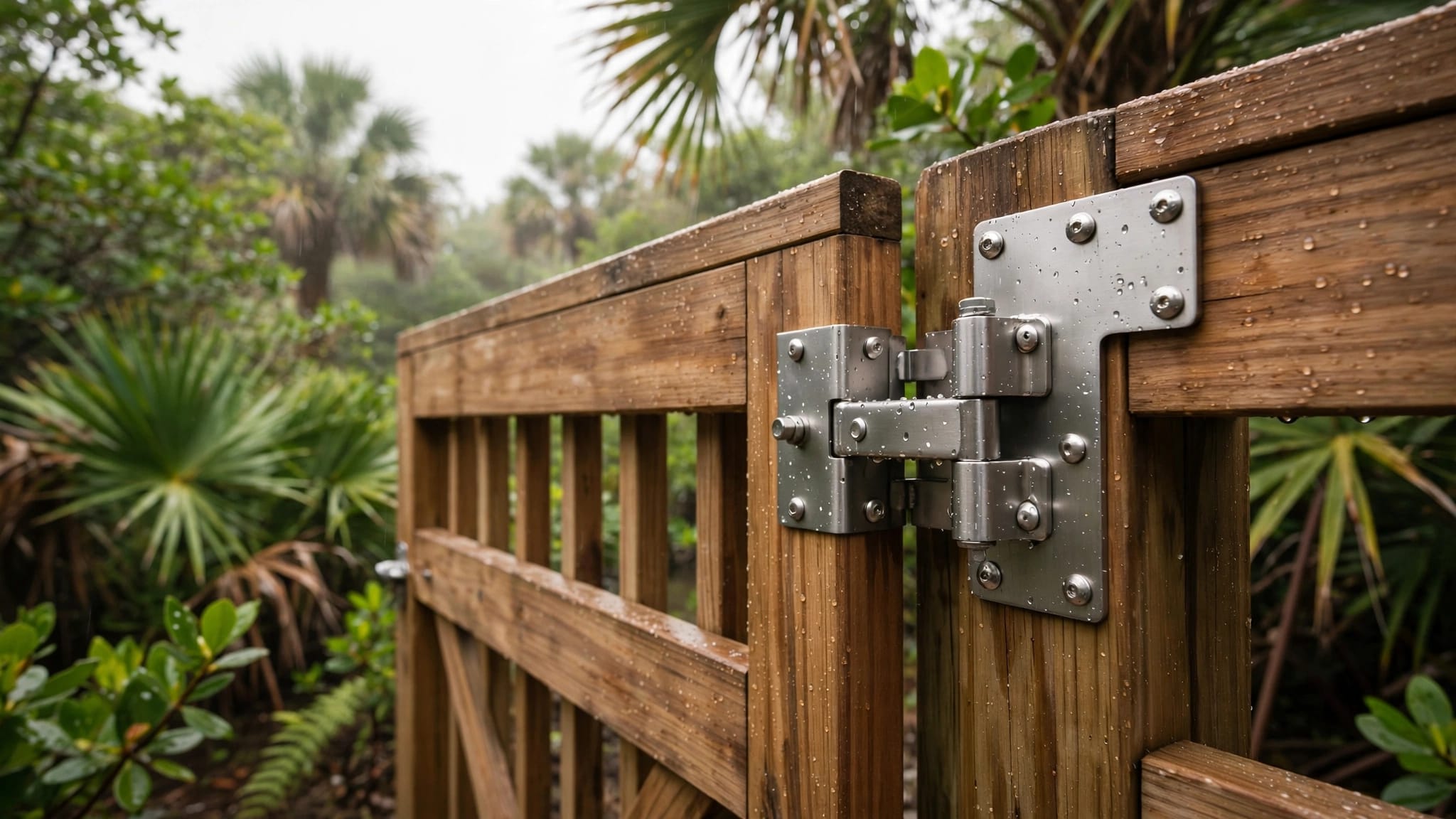
Salt exposure varies across Cape Coral, but humid coastal conditions make hardware worth close attention. Hinges, brackets, bolts, and cut edges deserve the same scrutiny as the panels.
Ask which finishes protect the system and whether exposed fasteners are compatible with the surrounding metal. Also ask how the installer handles damaged coatings and field-cut components.
Royal Fence describes its low-maintenance aluminum fencing as designed for Florida weather and coastal conditions. Treat that description as a starting point for product questions, rather than a guarantee against corrosion.
Vinyl panels don't rust, but their metal connections still need attention.
Ask how the complete system handles storms
Southwest Florida fences face intense sun, heavy rainfall, tropical storms, and hurricanes. Material labels alone don't explain how a proposed fence will perform.
Ask the contractor about the complete assembly, including posts, panel connections, corners, and gates. The installation plan should account for your property's soil and wind exposure.
A corrosion-resistant panel doesn't protect a weakened hinge or loose bracket. Storm planning needs to include the connections.
Don't assume an open fence is storm-proof or a privacy fence is unsuitable. Ask for the product's documented limitations and the installation details proposed for your site.
Also discuss removable garden accessories. Shade cloth, crop netting, and attached trellises can change how wind acts on the fence. Have the contractor review additions before you attach them.
Match Garden Protection to the Actual Pest
Identify what's damaging the vegetables
Choose protection after identifying the problem. Missing seedlings, chewed leaves, disturbed soil, and damaged fruit can have different causes.
Check whether pets are entering beds, wildlife is passing through the yard, or insects are feeding on crops. If possible, photograph damage and note when it appears.
A fence intended to define the garden may need different details from one intended to discourage animal entry. Tell the contractor what you've observed rather than requesting a general "pest-proof" enclosure.
Avoid expecting one perimeter fence to address every problem. Birds, climbing animals, and flying insects can reach plants despite a fenced boundary.
Discuss openings, ground conditions, and bed protection
The panel openings, space beneath the fence, and gate perimeter all deserve review. Rain and soil movement can change ground conditions after installation.
Ask which weak points the proposed design addresses and which remain. However, don't add buried barriers or extra screening without discussing drainage, utilities, maintenance, and approval requirements.
For crop-level problems, separate bed covers or supports may be more practical than changing the entire property fence. Any cover must also allow you to manage watering, harvesting, and pollination.
Royal Fence's residential chain link fence options include galvanized and vinyl-coated systems. Ask how the proposed fabric and layout fit your garden's protection goals.
Keep fertilizer, tools, and compost arrangements in the discussion too. Garden habits can affect animal activity beyond the enclosure.
Make Garden Access Easy on Busy Days
A garden gate needs to work when you're carrying seedlings, moving mulch, or pushing a loaded cart. Choose its location by walking the route you'll use most often.
Measure your actual wheelbarrow, garden cart, and mower. Then discuss the clear opening, latch position, and approach space with the installer. The panel width alone doesn't describe usable access.
Gate swing also matters. A gate that opens across a raised bed, irrigation line, or sloping path will become a daily frustration.
Consider access after heavy rain. Cape Coral yards can have sandy ground, runoff paths, and low spots, so review where water collects before choosing the entrance.
For a larger project, discuss a separate equipment opening rather than making your everyday gate unnecessarily cumbersome. However, price the extra posts and hardware before adding another entrance.
Finally, leave room to service both sides of the fence. Beds pressed against panels can make cleaning, repairs, and vegetation control difficult. A usable maintenance route is part of the garden layout, even when the fence itself needs little routine attention.
Verify Cape Coral Requirements Before Ordering
Confirm current requirements with the City of Cape Coral and your HOA before buying materials. Don't assume a small garden enclosure is exempt or that an existing fence proves a replacement will receive approval.
Your address, lot configuration, fence location, and proposed design can affect the review. Canal properties, corner lots, drainage easements, and utility access deserve particular attention.
Bring a current survey and a clear layout to your contractor. Show the proposed boundary, garden beds, gates, existing structures, and nearby drainage features.
Also ask whether the project needs additional wildlife-related documentation or other parcel-specific review. Confirm who will prepare the application, submit plans, and coordinate inspections.
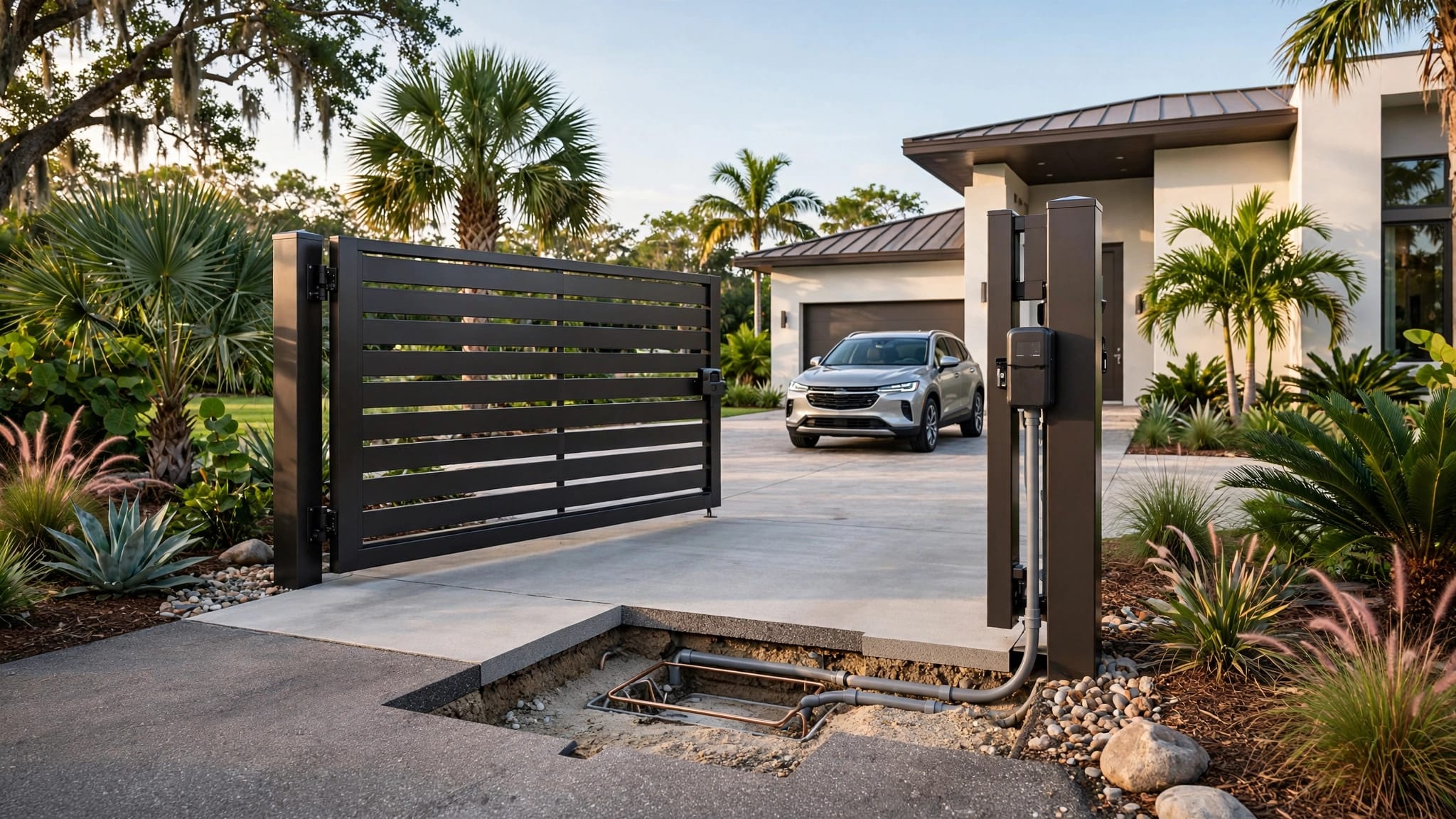
Call 811 before digging to request utility marking. Discuss private irrigation and other homeowner-installed lines separately, because public utility marking may not identify them.
If the garden shares space with a pool, have the contractor review pool-barrier requirements independently. Garden access and crop protection don't establish compliance with pool safety rules. Any proposed gate changes or attachments need that separate check.
Compare Quotes for the Same Garden Layout
Give every contractor the same scope
Cape Coral fence ideas become easier to compare when each installer prices the same plan. Provide measured fence runs, proposed gates, photographs, and notes about access.
Include existing fence removal, nearby beds, irrigation equipment, low spots, and any tight passage beside the house. Otherwise, one quote may include work that another leaves out.
Request the material and product details in writing. Ask whether the price covers post setting, gate hardware, permitting, removal, cleanup, and repairs to nearby surfaces.
Royal Fence's guidance on how to compare fence installation estimates can help you check whether bids cover equivalent work.
Budget for the whole enclosure
Royal Fence's published Cape Coral cost guide lists a broad range of $15 to $45 per linear foot. Treat that as preliminary budgeting context, not a current quote for a vegetable-garden enclosure.
Height, style, gates, removal, access, and site conditions can change the total. A short enclosure with several gates or corners may price differently from a long, straightforward fence run.
Ask about maintenance expectations and warranty exclusions as well. A lower initial price may bring more finish work or repairs later.
Confirm contractor licensing, insurance, payment terms, and responsibility for approvals before signing. Then review the final layout on site so the finished fence supports how you'll use the garden.
Build a Fence That Fits Your Garden
The strongest garden-fence plan starts with daily use : sunlight for crops, access for tools, and protection matched to the problem. Coastal hardware and site-specific installation details matter as much as appearance.
Before choosing panels, walk the layout with your contractor and verify applicable requirements. A well-planned boundary leaves you room to grow vegetables, maintain the fence, and move comfortably through your backyard.