May 24, 2026
A mower that fits in the garage does not always fit through a fence gate. The deck size on the sticker can be misleading, and a tight opening can turn a simple yard task into a slow, awkward job.
That matters in Southwest Florida, where side yards can be narrow, ground can shift, and gates can settle over time. The best gate width is the one that gives you room to move, turn, and keep using the equipment without scraping posts or fighting the latch.
The safest approach starts with the real size of the machine, then adds space for the way it moves through the opening.
Why mower specs can mislead your gate plan
The number printed on a mower spec sheet usually refers to the cutting deck, not the full machine. That deck width tells you how wide the blades cut, but it does not capture the body, tires, discharge chute, or any extra parts that stick out.
A 42-inch riding mower can end up several inches wider than 42 inches. A zero-turn mower can be wider still, especially when the chute is in place. That difference is where gate headaches start.
The deck size on paper is only a starting point. The gate has to fit the whole machine, not the brochure number.
Gate hardware also matters. Hinges, latches, post caps, and stops can shrink the usable opening. Even a gate that looks generous at a glance may feel tight when a rider enters at an angle.
If you are planning a new opening or replacing an older one, our fencing and landscaping services can help you think through the layout before the gate goes in.
Measure the opening the mower actually needs
Do not measure the gate leaf itself. Measure the clear opening your equipment must pass through.
Start with the widest point of the mower or lawn machine. Then measure the narrowest usable opening between the posts or hardware. If the gate swings open against a stop, measure the real path the machine takes, not the widest number you can find with a tape measure.
A simple way to do it:
- Measure the widest point on the mower, including the chute or any fixed attachments.
- Measure the clear opening between the inside faces of the posts.
- Add room for the way you drive in, especially if you enter at an angle.
- Test the path with a tape line, a piece of cardboard, or even a temporary marker before you commit to a gate size.
For a straight drive on level ground, a few extra inches on each side may work. For a turn, a slope, or uneven pavers, you want more. The rear of the mower can swing wider than the front, and a wheel can drift off line when the surface is soft.
Measure the route, not just the gap between posts.
A gate that feels fine on a flat drawing can feel small on a real lawn. That is why extra clearance matters more than people expect.
Best gate widths for common riding mowers and lawn equipment
These ranges are a practical starting point for most homes. Exact models vary, so treat them as working numbers, not a hard rule.
| Equipment type | Typical overall width to expect | Recommended clear gate opening |
|---|---|---|
| Compact riding mower | About 50 to 56 inches | 60 to 66 inches |
| Zero-turn mower | About 60 to 68 inches | 72 to 84 inches |
| Larger lawn tractor or garden tractor | About 56 to 64 inches | 84 inches or more |
| Small compact tractor with mower or cart | About 66 to 78 inches | 96 inches or a double gate |
A 6-foot gate is often the smallest size that feels usable for a riding mower. It can work well for many residential machines, but it may still feel snug if the yard has a turn or a slope.
An 8-foot opening is the sweet spot for many homeowners. It gives you room to line up the mower without inching through the posts like you are parking a car in a tight garage.
A 10-foot opening makes sense when you use larger equipment, move trailers, or want to keep the gate useful for future purchases. It also helps if more than one machine will use the same entrance.
Single gate or double gate?
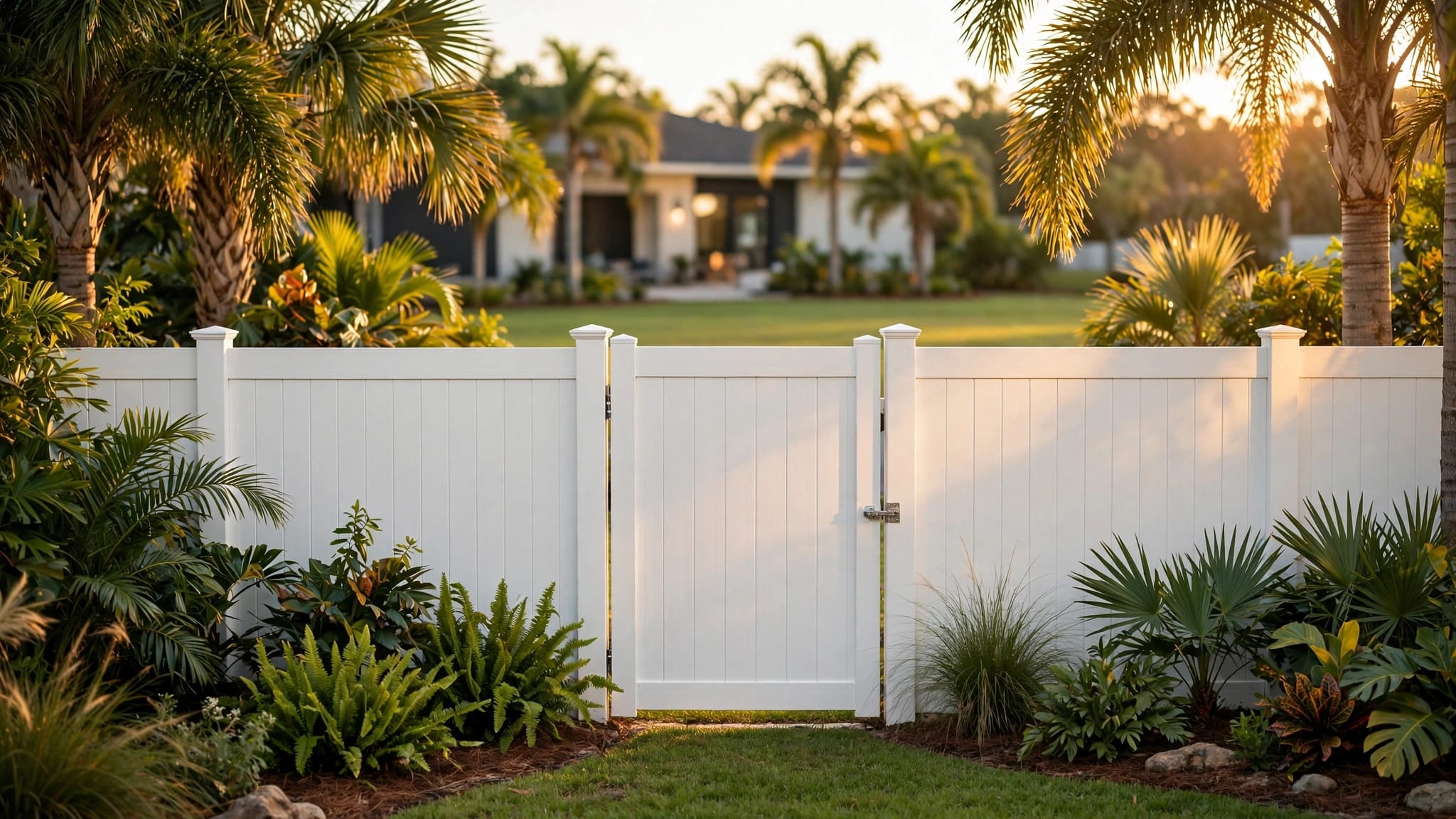
A single gate works best when the equipment is modest in size and the path is straight. It keeps the fence line simple and is often enough for a residential riding mower, especially if you do not have to turn much to enter.
A double gate gives you more flexibility. It can open wide for a mower today, then handle a cart, tractor, or larger project load later. It also spreads the load across two leaves, which can be easier to manage on a wide opening.
That said, a double gate only helps if it is built and aligned well. If one side sags or the latch drifts out of line, the extra width does not matter much. The gate still has to open cleanly and stay square.
For many yards, the decision comes down to how often the opening will be used. If you pass through it every week, a little extra width saves time and frustration. If it is only for rare access, a tighter gate may be fine.
Small details that change the fit
A mower can clear a gate on paper and still feel awkward in real life. The surface, the turn, and the hardware all affect the fit.
- A slope can pull the mower off line and use up clearance fast.
- Soft grass or loose soil can make the wheels wander near the posts.
- Thick latch hardware can shave off more room than expected.
- Pavers, edging, and settling soil can change the path over time.
- A gate that opens inward may steal space from the turning path.
In Southwest Florida, moisture and soil movement can change a gate's alignment over time. A fit that seemed fine in spring can feel tighter after the ground shifts or the hinges wear in.
That is why a small safety margin matters. If the opening feels close during the first install, it will feel even closer after a season of use.
A good rule is simple, if you need to thread the mower through with care, the opening is too tight for regular use. You want a gate that lets you drive through without watching the posts the whole time.
Plan for the mower you own now and the one you may buy later
Most people size a gate for the machine in the driveway today. That works until the mower changes. A bigger zero-turn, a small utility tractor, or a tow-behind tool can expose a gate that was fine on day one.
That is why many property owners choose the next size up. If a 6-foot gate feels possible but tight, 8 feet usually gives better day-to-day use. If you already know the yard will need tractor access, size for that now.
Future use matters even more on side-yard gates and service entrances. The opening may need to handle not just a mower, but also landscaping tools, carts, or material runs. A little extra width can save a lot of hassle later.
In other words, the best gate width is not only about fitting through once. It is about making the entrance easy every time you use it.
Conclusion
The right gate width starts with the mower's true outside width, not the deck size on the label. Then you add room for turns, slope, hardware, and the way the machine actually moves through the opening.
For many homeowners, 6 feet is the minimum that feels workable, 8 feet is the most comfortable choice, and 10 feet is smart for larger lawn equipment or future flexibility. Measure the real path, allow extra clearance, and the gate will work the way you need it to.
A good gate should make yard work easier, not more careful.