June 17, 2026
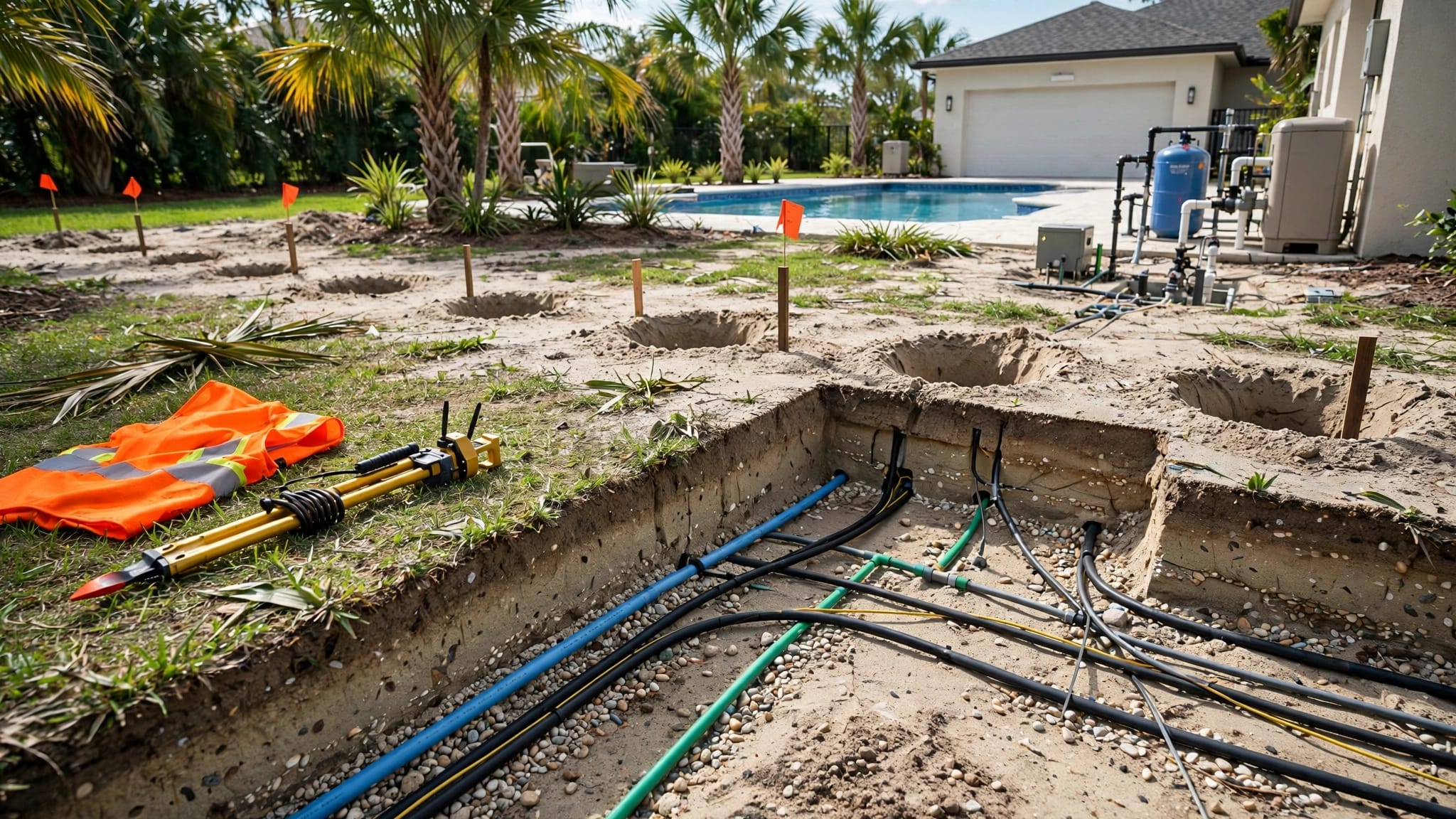
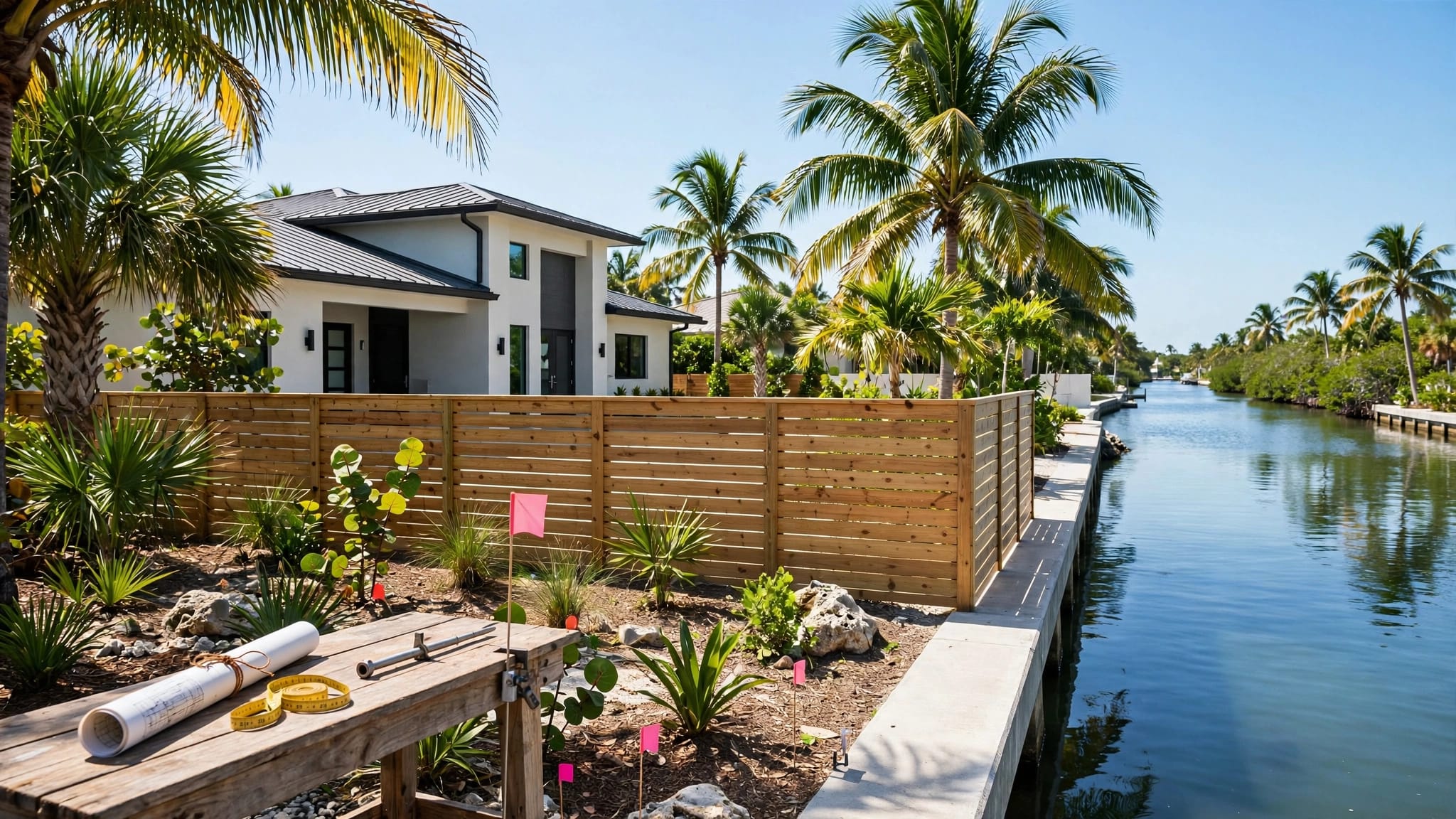
Heavy rain can turn a smooth gate into a stubborn one overnight. In Cape Coral, wet soil, standing water, and shifting hardware can make a gate scrape the ground or miss the latch.
That drag is more than a nuisance. It can point to a leaning post, loose hinges, a clogged track, or drainage that keeps soaking one spot. The good news is that a careful check can tell you a lot before the problem gets worse.
Why gates start dragging after a storm
Rain changes the ground first. When soil gets saturated, it softens and sinks, especially near fence posts and gate posts. A post that looked fine yesterday can shift just enough to drop one side of the gate.
Swing gates often drag when the hinge side settles or the frame twists. Wood gates can swell too, which adds weight and makes the drop worse. Vinyl and metal gates can still sag when the post moves or the hardware loosens.
Sliding gates have a different set of trouble spots. Mud, sand, mulch, and small branches can pile up in the track. Wheels can sink into soft ground, and low spots can hold water long after the rain stops.
If a gate starts dragging right after heavy rain, the problem is usually movement, not just bad luck.
For a broader look at what storms can do to fence parts, a Cape Coral storm inspection checklist can help you spot the early signs before they turn into a bigger repair.
How to inspect the gate without making things worse
Start with a slow look, not a hard push. Open and close the gate once or twice, and watch where it rubs. A fresh scrape mark on the ground or frame often shows the problem spot right away.
Check the latch next. If it no longer lines up cleanly, the gate may have dropped or shifted. On swing gates, look at the hinge side, the post base, and the gap under the gate. On sliding gates, inspect the track, rollers, and the path where the gate travels.
A quick inspection can include these steps:
- Look for new gaps at the top or bottom of the gate.
- Check whether a post leans after the rain.
- Feel for loose hinge screws or rattling hardware.
- Clear mud, leaves, and mulch from the gate path.
- Watch for water that keeps pooling near the post or track.
Take your time if the gate is heavy. Wet ground can hide soft spots, and a gate that looks stuck may shift suddenly if you force it.
Temporary fixes homeowners can try
Some fixes are simple enough for a homeowner, as long as the damage is mild. The goal is to restore clearance for the short term and see if the gate stays open and closes cleanly after drying.
For swing gates, clean the area first. Scrape away mud, rake back mulch, and remove anything that sits under the gate path. Then check the hinges. If the hardware is loose but still sound, tightening the fasteners may help the gate sit a little higher. In some cases, a washer at the hinge can buy time, but that is only a stopgap.
For sliding gates, clear the track completely. Even a thin layer of grit can cause rubbing or make the wheels drag. Rinse off packed dirt, then look for bent track sections, loose wheel mounts, or debris caught under the rollers. Light lubrication can help if the maker allows it, but don't grease a dirty track and leave the mess in place.
A few temporary fixes can help you get by:
- tighten loose bolts or hinge screws
- remove built-up soil at the gate base
- clean sliding tracks and rollers
- trim back grass, roots, or mulch that has crept into the path
- use a temporary support only if the gate is stable and safe to lift
If the gate drops again after the next rain, the underlying cause is still there. Cleaning alone won't solve post movement or a bent frame.
When the real issue is post movement, hinge damage, or bad drainage
A gate that keeps dragging after it dries usually has a deeper problem. In Cape Coral, that often means the post moved in softened soil or the drainage around the gate never worked well in the first place.
Watch for these warning signs:
- the post leans or feels loose at the base
- the hinge side has pull-out marks or cracked fasteners
- the latch needs lifting to catch
- the gate frame looks twisted
- a sliding gate keeps hitting the same low spot
- water pools in the same area after every storm
When you see those signs, the repair is usually more than an adjustment. The post may need to be reset, the hinges may need replacement, or the gate frame may need reinforcement. A gate that has been dragged for a while can also wear out the latch and hardware, which adds another layer to the problem.
For homeowners dealing with a sagging swing gate, tips for fixing sagging fence gates can help explain what a proper repair should address. If the gate is vinyl, loose hardware and post movement matter even more, because the structure needs clean support to stay aligned.
Poor drainage can keep the cycle going. If water settles near the post after each storm, the soil stays soft and the gate keeps dropping. In that case, the repair should deal with both the gate and the ground around it.
Conclusion
A gate that drags after heavy rain is usually telling you something useful. The soil may have shifted, the hardware may have loosened, or the drainage may be pushing the problem back every time a storm rolls through.
Start with a safe inspection, clear the path, and make only small temporary fixes if the gate is still stable. If the drag returns, the issue is probably deeper than surface mud.
A gate should close cleanly without a shove. When it doesn't, the fastest fix is the one that addresses the movement underneath it.