July 30, 2026
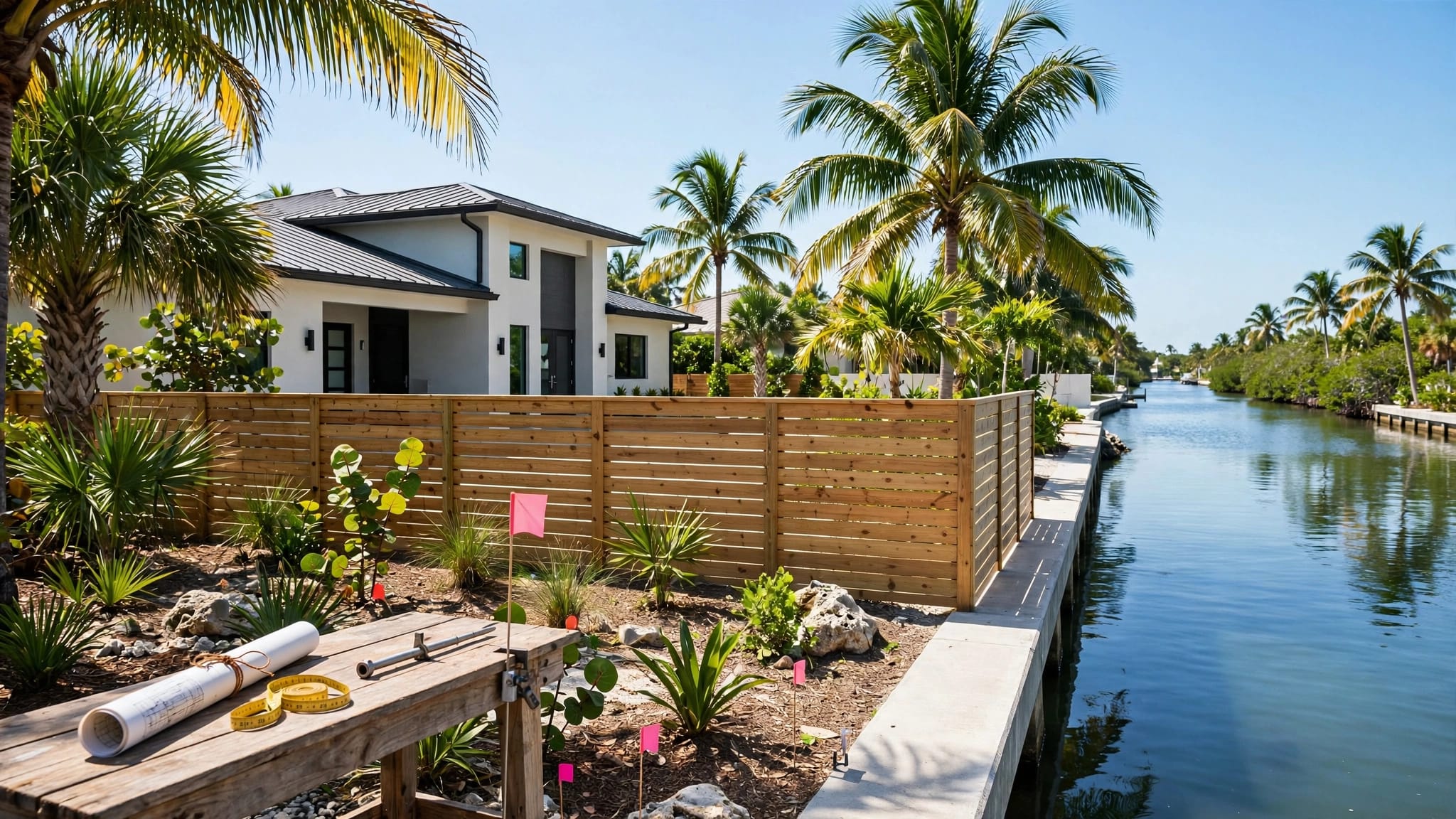
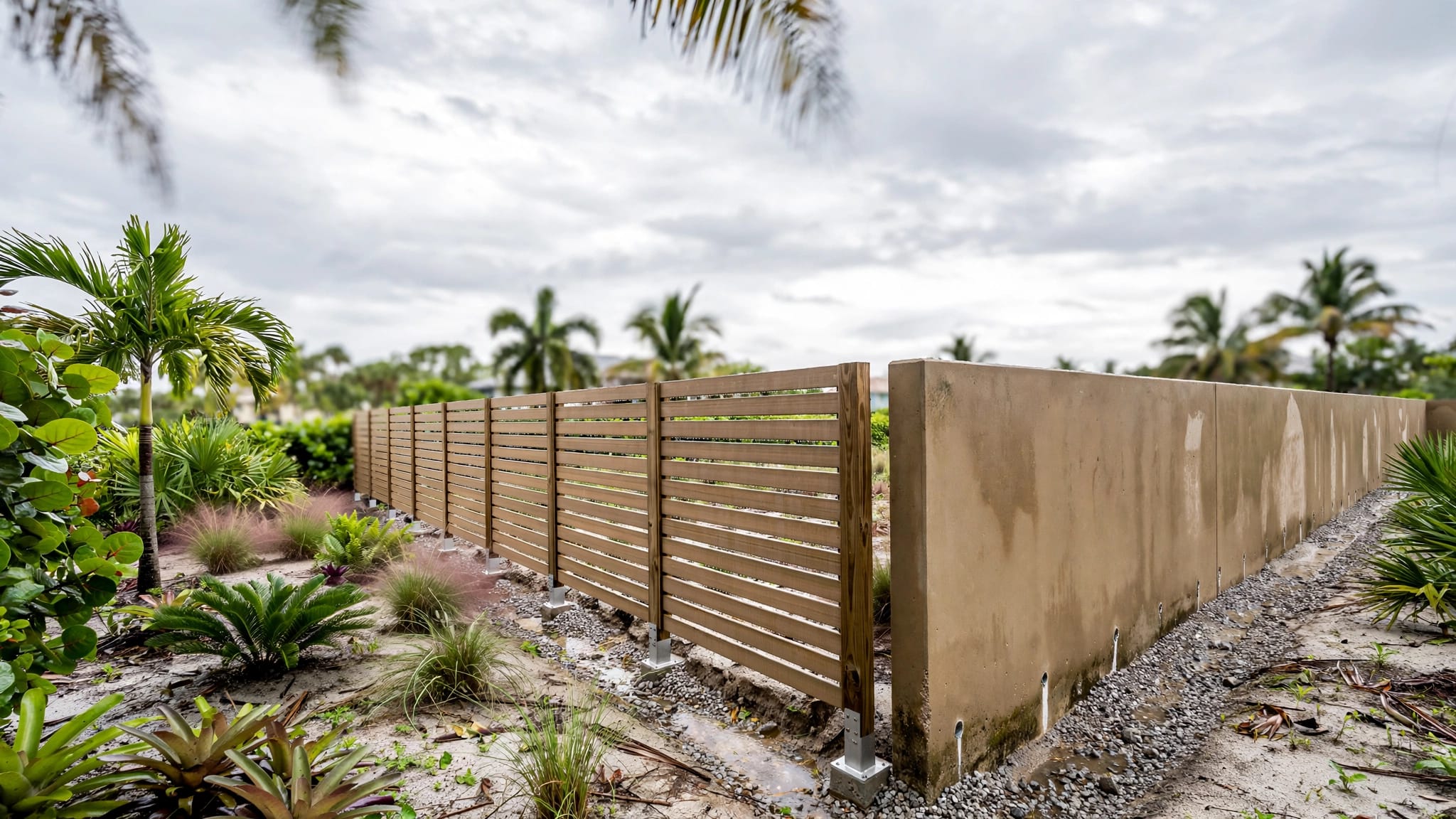
A fence post can create a serious problem when it lands too close to a gopher tortoise burrow. In Cape Coral, gopher tortoise fence projects may require a different layout, extra planning, or state approval before clearing and installation begin.
Gopher tortoises are protected in Florida, and their burrows receive protection during construction. The fence material does not remove that responsibility. A wood, vinyl, aluminum, or chain-link fence can still affect a burrow if workers disturb the ground nearby.
Before scheduling installation, property owners and contractors should inspect the lot, identify burrows, and confirm current requirements with the City of Cape Coral and the Florida Fish and Wildlife Conservation Commission (FWC). The 25-foot buffer is the starting point, but the project details determine what happens next.
Why Gopher Tortoise Burrows Matter Before Fence Installation
The gopher tortoise is listed as threatened under Florida Rule 68A-27.003. State rules prohibit activities that harm, harass, capture, move, or damage a tortoise or its burrow unless the work follows an approved permit or guideline.
Fence installation involves more ground disturbance than many homeowners expect. Crews may clear vegetation, drive equipment across the lot, auger or dig post holes, stage materials, and place concrete around posts. Each activity can create a problem when it occurs near a protected burrow.
Cape Coral's environmental materials identify land clearing, grading, paving, digging, building construction, and site preparation as activities that can cause violations. A fence project may be smaller than a home build, but the rules focus on the effect of the work, not the size of the job.
A burrow entrance can be easy to miss in overgrown grass, sandy soil, or a vacant portion of a residential lot. Some properties also contain more than one burrow. Before a contractor marks the fence line, the site should receive a careful visual inspection by someone familiar with gopher tortoise signs.
The inspection should cover the planned fence route, equipment access path, material staging area, and any location where workers will dig or drive. Moving the fence line alone may not solve the issue if a truck or post-hole auger still enters the protected area.
Cape Coral guidance treats the protection zone as a work-free area. Materials, fill, equipment, and parking should stay outside the buffer throughout construction.
Homeowners can review Cape Coral fence and landscape services while comparing installation options, but the fence contractor should also ask about visible burrows before preparing a final layout.
The 25-Foot Buffer Can Change the Fence Line
Cape Coral and FWC materials commonly identify a 25-foot buffer around the entrance of a potentially occupied gopher tortoise burrow. The distance applies in all directions, creating a 50-foot diameter protection area around the entrance.
Work within that area can count as a disturbance. FWC examples include vegetation clearing, grading, construction, and heavy-equipment staging. Cape Coral also states that the buffer should remain in place during all phases of construction.
That distance can affect a typical residential fence in several ways. A side-yard fence may need to angle around the protected area. A rear fence may require a gap, a different gate position, or a shorter run. On a narrow lot, the buffer could affect access for equipment even when the permanent fence itself stays outside the zone.
The exact result depends on the property survey, the burrow location, existing improvements, easements, and the planned fence design. A contractor should not measure 25 feet only from the center of a visible entrance and then assume the rest of the site is clear. The full work area matters.
A protection zone also needs a visible barrier before work starts. Cape Coral materials mention rope, silt fence, orange construction fencing, and other approved materials. FWC guidance refers to temporary exclusion fencing, including black fabric fencing or silt fencing, to keep tortoises out of active work areas.
This temporary barrier is different from the finished property fence. Its purpose is to mark and protect the no-work zone during construction. Workers should maintain it in good condition and avoid placing it where it could trap a tortoise or block access to a burrow.
The 25-foot standard is an important planning reference, but it should not replace a current review. Local forms, permit procedures, and site conditions can change. Verify the requirement with Cape Coral and FWC before work begins, especially if the planned route enters the buffer.
A Practical Process for Gopher Tortoise Fence Projects
A careful pre-installation process can prevent a crew from arriving at a site where the planned fence line cannot be used. The following steps give property owners and contractors a useful starting point:
- Inspect the property before marking the fence. Look for burrow entrances, tracks, tortoise sightings, and open sandy areas. Check the entire lot, not only the edge where the fence will stand.
- Map the burrow and proposed work area. Mark the entrance location, then account for the 25-foot protection zone. Include access lanes, equipment parking, post-hole locations, and material storage.
- Compare the buffer with the property survey. A survey can reveal drainage easements, utility corridors, canal access areas, and other limits that may affect a rerouted fence.
- Contact the right authorities when there is a conflict. If the fence, equipment, or clearing area falls within the buffer, ask Cape Coral and FWC what review or permit applies. Do not assume private ownership creates an exemption.
- Redesign the route when possible. A short adjustment may avoid a longer permitting process. The revised line must still satisfy property boundaries, easements, access needs, and local fence requirements.
- Arrange approved relocation if the burrow cannot be avoided. FWC states that gopher tortoises must be relocated before land clearing or development, and only authorized individuals may move them under the proper permit.
- Install protection barriers before mobilization. The barrier should be visible to the crew and remain in place while workers clear, dig, pour concrete, and remove debris.
- Document the site plan. Keep photographs, marked-up surveys, permit information, agency correspondence, and contractor notes with the project records.
This process is useful for both residential and commercial properties. Commercial sites often involve more equipment and broader clearing, while residential sites may have tighter setbacks and fewer options for moving the fence.
If the work includes landscaping, pavers, artificial turf, or drainage changes, review those activities with the fence plan. A project that appears to avoid the burrow with the permanent fence could still disturb it through grading or additional site work.
What to Do When a Burrow Is Near the Planned Fence
Stop the layout process if a burrow appears within 25 feet of the proposed fence or work area. Do not fill the entrance, place posts beside it, drive equipment across the area, or ask workers to move the tortoise.
Cape Coral's protected species guidance says to cease work when a tortoise or burrow is found and maintain at least a 25-foot buffer. The guidance also states that only the project biologist should come into contact with a tortoise or burrow.
The next step is to determine whether the fence can move. In many cases, a route adjustment creates the safest path forward. However, the adjustment should be reviewed against the property boundary and any recorded easements before the contractor begins digging.
If avoidance is not practical, the project may need a gopher tortoise permit and authorized relocation. Timing matters because FWC requires relocation before land clearing or development takes place. A contractor should not start clearing while the owner waits for approval.
A suspected violation should receive prompt attention. FWC identifies the Wildlife Alert Hotline, 888-404-3922, for suspected violations when work occurs without the required authorization or fails to follow permit conditions.
Cape Coral has also reported enforcement involving work performed too close to a burrow. One local case involved a $500 citation. The amount and outcome of any enforcement action can vary, but the example shows why a rushed fence layout can become an expensive setback.
Homeowners should ask a prospective contractor these questions before signing:
- Will you inspect the fence route for tortoise burrows before installation?
- How will you keep equipment and materials outside the protection area?
- Who will contact Cape Coral or FWC if the fence conflicts with a burrow?
- Will you provide a revised layout if the original route needs to move?
- Which party will handle any required permit or authorized relocation?
Clear answers are more useful than a promise that the crew can work around the burrow after installation begins.
Fence Materials Do Not Remove Environmental Limits
Vinyl, aluminum, wood, chain link, and privacy fencing can all work well for Southwest Florida properties. Yet the choice of material does not change the gopher tortoise rules.
The ground work creates the concern. Every permanent fence needs posts, and most post systems require digging or drilling. Concrete, debris, vehicles, and workers also need space around the installation area.
A lighter fence may reduce equipment needs, but it still requires a compliant layout. Likewise, a decorative aluminum fence does not receive special treatment because it has open pickets. The same buffer applies when the installation could disturb a burrow.
Cape Coral properties may also involve wetlands, surface waters, canals, or drainage features. Florida Administrative Code Rule 62-330.437 includes a general permit provision for certain fence work in wetlands or other surface waters, but its conditions are narrow. The rule addresses factors such as water access, navigation hazards, and permitted fence construction methods. It is not a blanket approval for every residential fence.
Ask the contractor to review the site before choosing a design. A fence that works on dry upland soil may require a different plan near a wet area, and a route that avoids a burrow may affect gate placement or material delivery.
Cost can change when the route moves, access becomes difficult, or additional environmental review is needed. Royal Fence's guide to fence installation cost in Cape Coral discusses common pricing factors such as material, height, labor, and site conditions. Environmental requirements may add planning time or other project expenses, so request a site-specific estimate.
Protecting Wildlife and Keeping the Project on Track
Good planning protects the tortoise and reduces avoidable delays for the property owner. The contractor should mark the approved fence route, identify the protected zone, and communicate the limits to every worker and subcontractor.
During installation, keep fill, concrete, tools, vehicles, and scrap outside the buffer. Do not remove a temporary barrier to make access easier unless the responsible authority or qualified project professional approves the change.
Routine lawn and landscape maintenance usually does not require a tortoise permit when it doesn't collapse burrows or harm tortoises. Fence construction is different because it typically involves post holes, equipment, and concentrated ground disturbance.
For that reason, treat a new fence as a development activity requiring advance review when a burrow is nearby. Verify current rules, forms, and permit needs with the City of Cape Coral and FWC before clearing or installation. Local guidance is useful, but it doesn't replace a site-specific determination by the appropriate authority.
Conclusion
Gopher tortoise burrows can affect the fence route, work area, schedule, and cost of a Cape Coral installation. The 25-foot buffer is the central planning point, and the entire construction area must stay outside it unless authorized work follows the required process.
A careful inspection, marked site plan, visible temporary barrier, and early agency review give gopher tortoise fence projects a clearer path. When a burrow conflicts with the design, moving the fence or arranging authorized relocation is safer than beginning work and hoping the issue goes unnoticed.