June 18, 2026
A failed fence inspection can feel like a setback, but it usually does not mean your project is dead. In Cape Coral, most failures come down to a fixable detail, such as placement, height, gate hardware, or a mismatch with the approved plans.
The city looks at whether the fence matches the permit and local rules. If something is off, the permit usually stays open until the issue is corrected and the fence passes a reinspection.
What a failed fence inspection means for your permit
When a fence fails inspection in Cape Coral, the inspector leaves a record of what needs to change. That notice might point to a setback problem, a height issue, a gate concern, or unfinished work.
The important part is this: the permit usually does not close after a failed inspection. Instead, it stays active while you make corrections. That gives you a chance to fix the problem without starting the process over.
A failed inspection usually means "repair and recheck," not "tear everything down and begin again."
If the failure is minor, the correction may be quick. If the fence was built in the wrong location or does not match the approved drawing, the fix can take longer. Either way, the city will want the work corrected before final approval.
For homeowners who want help early in the process, professional fence installation services in Cape Coral can reduce the chance of repeat inspection problems.
Common reasons fences fail inspection in Cape Coral
Fence failures tend to come from the same few issues. The inspector is looking for simple proof that the fence sits where it should, stands at the right height, and matches the permit plans.
Here is a quick side-by-side look at the most common trouble spots.
| Common issue | What the inspector sees | Usual fix |
|---|---|---|
| Setback or placement error | Fence sits too far into a yard, easement, or corner visibility area | Move the fence or rebuild the affected section |
| Height limit problem | Fence is taller than allowed for the lot or yard type | Trim panels or rebuild to the correct height |
| Gate or latch issue | Gate hardware is missing, loose, or not installed properly | Repair the latch, hinges, or gate swing |
| Structural or material problem | Posts, panels, or fasteners do not look secure | Reinforce or replace the weak section |
| Permit plan mismatch | The built fence does not match the approved drawings | Correct the work or update the permit documents if required |
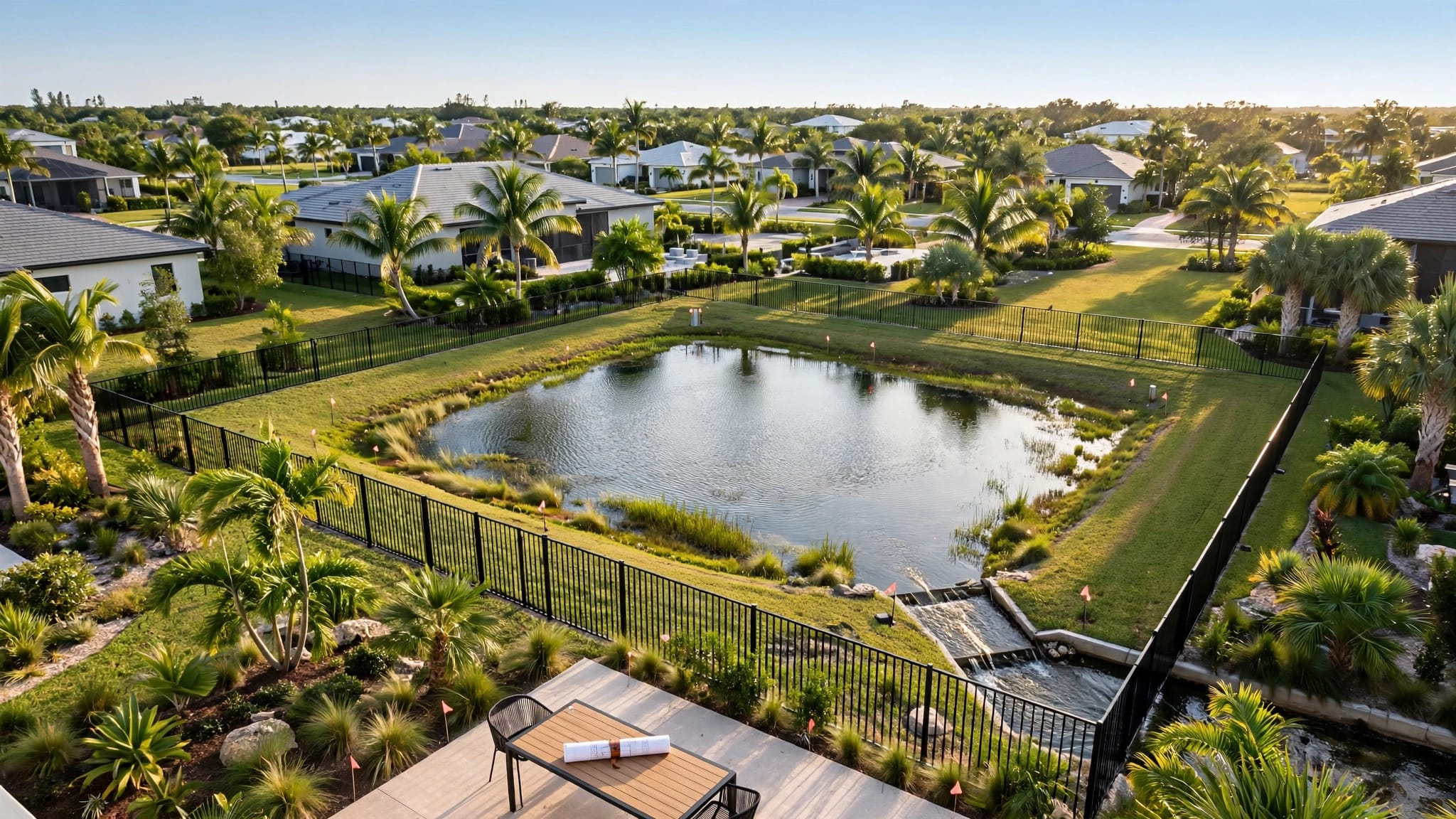
Setbacks are one of the biggest sources of failure. A fence can look fine from the street and still sit too close to a boundary, too far into a front yard, or inside a restricted area. Corner lots can be tricky because visibility rules often matter there.
Height limits also catch people by surprise. A fence that looks "normal" to a homeowner may still be too tall for that location. That often happens when a builder installs the wrong panel size or measures from the wrong point on the ground.
Gate issues sound small, but they matter. A loose latch, a gate that swings poorly, or hardware that was left unfinished can trigger a failure. The same goes for weak posts, leaning sections, or fasteners that don't hold the fence tightly.
Deviations from the approved permit plans are another common problem. If the city approved one layout and the field work shows another, the inspector will flag it. That is why the paper plan matters as much as the fence itself.
What happens next after the inspector leaves
The next steps are usually simple, but timing matters. A failed inspection does not end the permit. It just pauses the finish line.
- Read the inspection notes carefully.
The inspector should leave a reason for the failure. Save that note and compare it with your permit paperwork. - Match the problem to the approved plan.
Check the fence layout, height, gate placement, and property lines against what was approved. - Make the correction.
Some fixes are small, like replacing gate hardware. Others need real work, such as moving a section of fence or changing panel height. - Schedule a reinspection.
Once the correction is done, contact the city through its inspection system or the proper department channel. - Wait for final approval before you assume the job is closed.
Until the fence passes, the permit usually remains open.
If the inspector's note is unclear, call the City's Building Division inspections help line and ask what failed. That can save you time, especially if the correction seems minor but the written note is vague.
A homeowner can often fix a small issue in a day. A bigger problem can stretch the timeline by several days or longer, especially if material has to be reordered or a section must be rebuilt.
Repairs, delays, and compliance problems to expect
The biggest headache after a failed fence inspection is delay. The job may look done, but the city still sees it as unfinished until the issue is resolved.
That can affect your schedule in a few ways. First, the reinspection itself may not happen right away. Second, if the correction needs a new post, new panel, or a changed gate, the repair crew has to return before you can request another visit. Third, if the first failure exposed a larger problem, the city may want more than one correction before signing off.
Delays are common when a fence was installed before the final permit details were checked. They also happen when a property line is unclear or when a corner lot needs special attention. In some cases, the fence has to be adjusted in the field because the approved plan and the actual build do not line up.
Compliance problems can also stack up. A fence that misses setback rules may also miss height rules. A gate with poor hardware may also point to a structural issue. That is why a small mistake sometimes leads to more than one correction.
If the fence does not match the permit plans, the city can treat it as more than a simple repair.
That does not mean the project is doomed. It means the next step has to follow the city's current requirements, not guesses from the job site. If you are unsure about those rules, check with the City of Cape Coral before rebuilding anything major.
How to avoid a second failed inspection
The best way to avoid another failure is to slow down and compare the fence to the permit before you call for reinspection. A few minutes of checking can save days of waiting.
Start with the basics. Measure the fence height at more than one point, since a yard is rarely perfectly flat. Then check the gate, latch, hinges, and closing action. After that, look at the fence line against the approved layout and property markers.
It also helps to look for signs of weak work. Posts should stand firm. Panels should line up cleanly. Hardware should feel solid, not loose or forced. If anything looks rushed, the inspector may spot it too.
Homeowners often get into trouble when the work was done without a fresh review of the permit drawings. That is where a local contractor can help. A crew that knows Cape Coral rules and permit steps can catch setback, height, and layout problems before they become a second failure.
If you need another set of eyes on the job, expert fence installers serving Cape Coral can review the work against the permit and point out what needs attention before reinspection.
Keep these checks in mind before you call the city again:
- The fence matches the approved location.
- The height meets the permitted limit.
- The gate hardware works cleanly.
- The fence is solid, straight, and finished.
- The paperwork is ready if the city asks for it.
Verifying the current local rules matters too, because permit requirements can change. A quick call to the proper city department is better than guessing and risking another delay.
Conclusion
A failed fence inspection in Cape Coral usually points to a fixable issue, not a lost project. Most problems come back to placement, height, gate hardware, structural work, or a fence that drifted from the approved permit plans.
The fastest path forward is to read the correction notice, make the repair, and schedule the reinspection without delay. If the note is unclear, the City of Cape Coral Building Division can help explain the next step.
A careful check now can keep a small mistake from turning into a bigger compliance problem later.