June 26, 2026
Cape Coral weather can wear down a wood fence faster than many homeowners expect. Strong sun, heavy rain, high humidity, and coastal moisture all push wood in different directions.
When you're deciding between cedar vs pressure-treated pine , the right answer depends on your budget, your patience for upkeep, and how long you want the fence to stay sharp. If you want a broader look at choosing the best wood for Cape Coral's climate, this comparison will help narrow the field.
The better choice is not the same for every yard. A fence near irrigation, salt air, or poor drainage faces a different kind of stress than one in a drier, shaded spot.
How Cape Coral weather changes the equation
Wood fences in Cape Coral deal with more than rain. They get blasted by UV rays, soaked by summer storms, and exposed to sticky air that slows drying. That mix matters because wet wood that dries too slowly is more likely to cup, split, or grow mildew.
Heat also speeds up finish failure. Stain and sealers break down faster under direct sun, so a fence that looks great in spring can fade hard by late summer. Add termites to the mix, and the wood choice starts to matter even more.
In Cape Coral, the fence that dries out faster usually ages better.
Cedar and pressure-treated pine both have a place here, but they handle the climate in different ways. Cedar has natural resistance to decay, while pressure-treated pine relies on chemical treatment. Each one can work well if the fence is built and maintained the right way.
Cedar and pressure-treated pine, side by side
A quick comparison makes the tradeoffs easier to see.
| Factor | Cedar | Pressure-treated pine |
|---|---|---|
| Upfront cost | Higher | Lower |
| Look | Warm grain, more refined | Plain, practical |
| Moisture resistance | Naturally resistant, still benefits from sealing | Treated to resist rot and insects |
| Sun exposure | Can gray and fade faster without finish | Can fade and check if not maintained |
| Movement | Stable when dry, but still weather-sensitive | More likely to warp or split if boards dry unevenly |
| Maintenance | Regular cleaning and sealing | Regular sealing and closer inspection |
| Best fit | Premium look, decorative fences | Budget-conscious privacy fences |
The takeaway is simple. Cedar usually wins on appearance, while pressure-treated pine usually wins on price. In Cape Coral, both need maintenance, because local weather does not give any wood a free pass.
What cedar brings to a Cape Coral fence
Cedar has a lot of appeal for homeowners who want a nicer-looking wood fence. Its natural color and grain give it a finished look without much effort. It also contains natural oils that help it resist rot better than many other woods.
That matters in Southwest Florida, where moisture is always close by. Cedar handles damp conditions well, especially when the fence is built off the ground and water can drain away. For many homes, it feels like the more polished option.
Still, cedar has limits. Strong sun can bleach it into a silver-gray color if you leave it untreated. Some people like that weathered look. Others want the rich tone to stay visible, which means the fence needs regular cleaning and sealing.
Cedar is also softer than pine in some ways, so dents and surface marks can show up. Mower bumps, pet wear, and everyday use can leave a mark sooner than homeowners expect. The price is another factor. Cedar usually costs more upfront, so it makes the most sense when the look matters and the budget allows it.
For homeowners who want a wood fence that feels a little more upscale, cedar is a solid option. It just asks for a little more care if you want it to hold its color and stay smooth.
Where pressure-treated pine fits best
Pressure-treated pine is the workhorse choice. It is usually easier on the wallet, and it is widely available for privacy fences, posts, and framing. The treatment process helps the wood resist rot and insect damage, which matters a lot in Cape Coral.
That protection is useful, but it does not make the wood maintenance-free. Pine can still warp, crack, and split as it dries, especially if it was installed before it had time to settle. It also tends to need closer attention in spots that stay damp, like lower boards near sprinklers or shaded fence lines.
If you want more detail on protecting wood fences from termites and moisture, it helps to understand how treated lumber performs in this climate. The short version is that treatment helps, but drainage, hardware, and finish still matter.
Pressure-treated pine can be a smart choice for larger fence runs because it keeps the project cost lower. That can free up budget for stronger posts, better gates, or a more complete finish. For many Cape Coral homeowners, that tradeoff makes sense.
The main caution is timing. Treated boards often need time to dry before staining or sealing. If you coat them too soon, the finish can peel or fail early. A good sealing schedule for wood fences in Cape Coral helps you avoid that problem.
Choosing based on budget, upkeep, and lifespan
The right fence often comes down to how you want the next few years to feel.
If you want the cleaner look and you do not mind a higher starting price, cedar is a strong pick. It gives you natural resistance and a more refined finish, which works well on front yards, pool areas, and homes where the fence is part of the curb appeal.
If you want the lower upfront cost and a practical privacy fence, pressure-treated pine usually makes more sense. It is a common choice for backyards, side yards, and larger installs where budget matters. With the right care, it can last well in Cape Coral conditions.
These quick guides can help:
- Choose cedar if you want a richer look, plan to stain or seal it, and are comfortable paying more at the start.
- Choose pressure-treated pine if you want a lower-cost fence, need solid privacy, and are willing to stay on top of maintenance.
- Choose cedar or pine carefully if your yard holds water, gets heavy sprinkler overspray, or sits close to salt air.
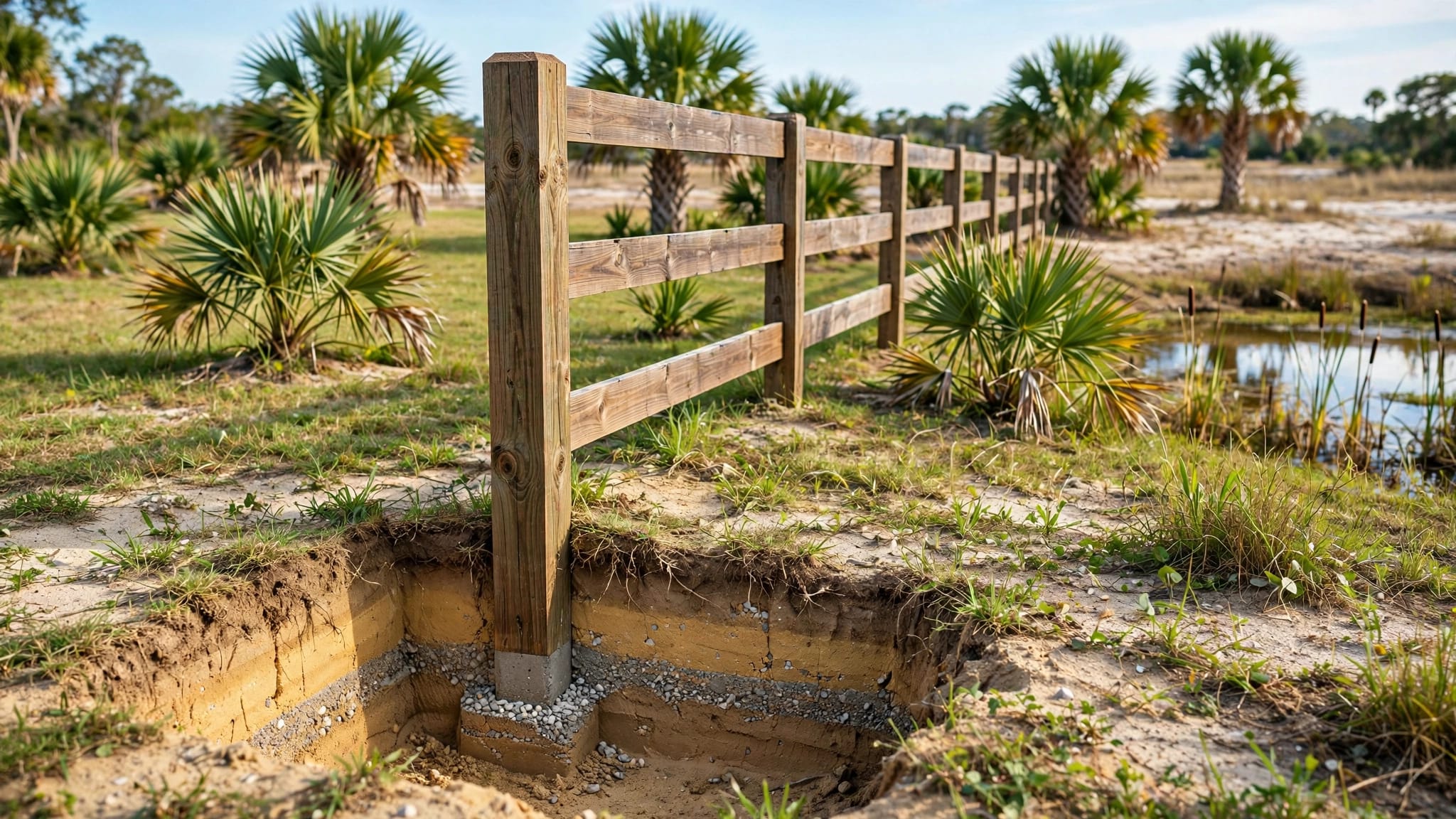
Lifespan also depends on the details. Good drainage, quality fasteners, proper post depth, and regular sealing all help a fence last longer. A good fence job in Cape Coral is more than picking the right board. It is about giving the wood a fair chance to dry, breathe, and stay protected.
Conclusion
Cape Coral puts wood fences through a lot. Sun, humidity, rain, and coastal moisture all push cedar and pressure-treated pine in different ways.
Cedar gives you a better-looking fence and natural resistance, while pressure-treated pine gives you lower cost and solid protection against rot and insects. The stronger choice depends on how much upkeep you want, how much you want to spend, and how long you expect the fence to keep its shape.
If you want a fence that looks polished and you are willing to care for it, cedar fits well. If you want practical privacy at a lower price, pressure-treated pine is the more direct choice.