June 25, 2026
You usually don't need your neighbor's permission to build a fence in Cape Coral, but that doesn't mean you can put it anywhere you want. The bigger issues are the property line, city rules, setbacks, permits, and any HOA standards that apply to your lot.
A friendly conversation can still save time and prevent hard feelings, especially near a shared boundary. The safest path is to check the line first, then confirm the current Cape Coral rules before work starts.
Who you need to check with before building a fence
Cape Coral fence permission questions usually split into four separate checks. Each one matters for a different reason.
| What to check | Why it matters | What can go wrong |
|---|---|---|
| Property line | Shows where the fence can go | A fence built on the wrong side can trigger a dispute |
| City permit and code | Confirms the fence meets local rules | The project can stop before it starts |
| HOA documents | May set extra style or height rules | The fence may pass city review and still violate the community rules |
| Neighbor communication | Keeps the project smooth | Surprises often lead to complaints later |
That table makes one thing clear. The city, the HOA, and your neighbor each play a different role.
Cape Coral generally cares more about where the fence sits and how tall it is than about whether the next-door owner likes it. Still, a neighbor's opinion can matter when the line is tight, the lot is small, or the fence changes how both yards feel.
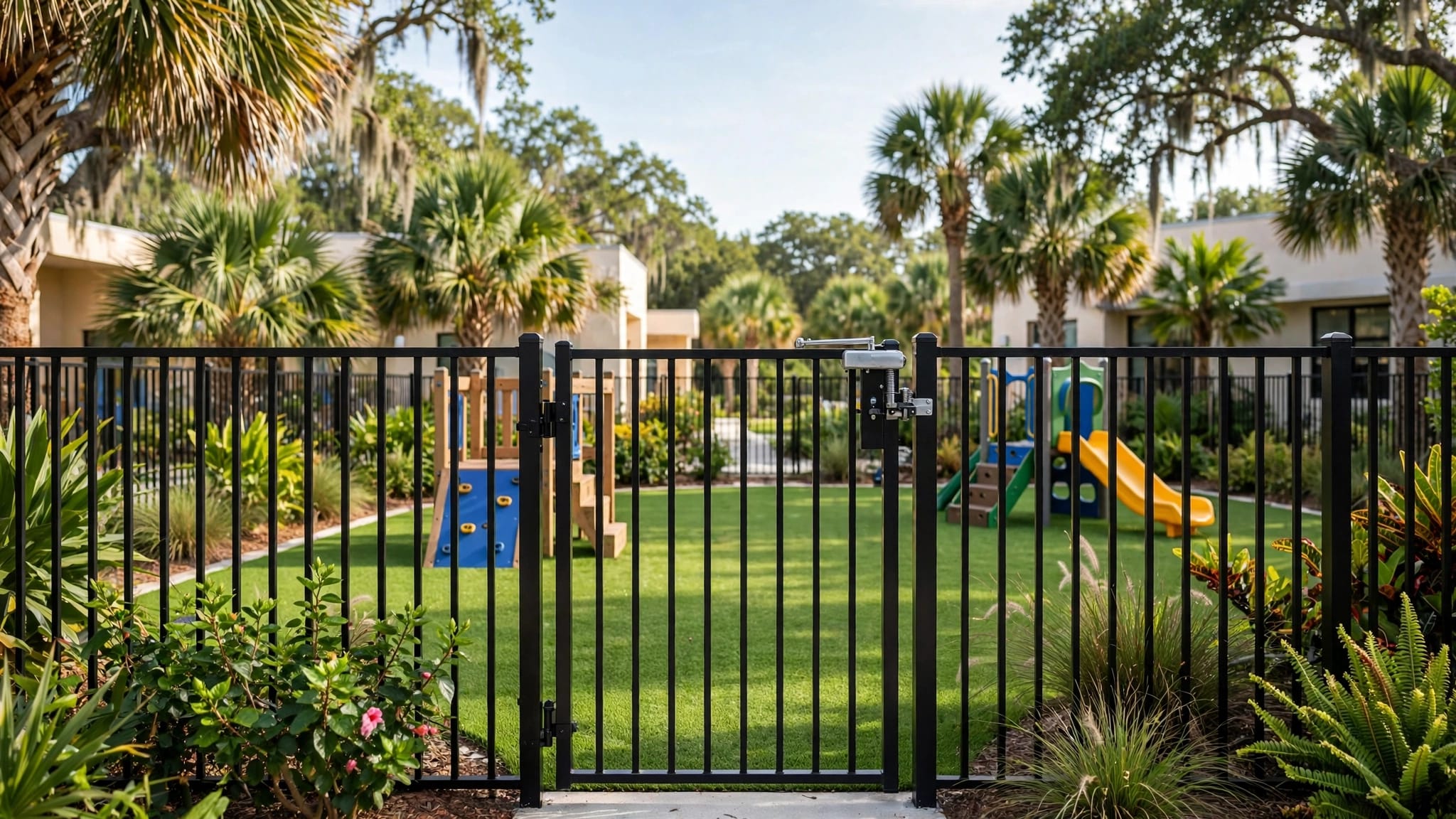
Most residential fences in the city can be up to 6 feet tall. Some lots near commercial property may allow more height. In front yards, the fence usually cannot sit forward of the house line, and corner lots face extra limits on both street sides. If your rear yard borders a canal or waterway, the rules can be different again, especially for taller fences.
If your lot has a tight setback, a canal behind it, or a tricky corner, custom fencing services in Cape Coral can help you compare materials that fit the property and the rules.
When a neighbor's permission helps, even if it is not required
A neighbor's yes is often a courtesy, not a legal need. That said, it can make the project smoother.
It helps most when the fence is close to a shared boundary or when both owners expect to benefit from it. It also helps when the new fence connects to an existing one, because a small mismatch can create gaps, bends, or arguments later.
A simple conversation can prevent a lot of trouble. If you explain where the fence will go, how tall it will be, and when the work starts, most people respond better. A few minutes now can save weeks of tension later.
A verbal okay is useful, but a written agreement is safer when the fence sits on, or near, a shared line.
Here are the situations where neighbor input matters most:
- You want to split the cost of a line fence.
- The property line is not obvious.
- The fence touches an existing fence or wall.
- The project affects access, drainage, or a gate between yards.
- The new fence changes the view or use of a side yard.
If you are only building on your own side and meeting city rules, the neighbor does not control the project. Even so, a heads-up call is still smart. It keeps a small construction job from becoming a long fence dispute.
Property lines and easements cause most fence disputes
Many fence problems start with a guess. Someone looks at an old hedge, a row of pavers, or a neighbor's fence and assumes that marks the boundary. It often doesn't.
A survey is the cleanest way to find the line. Older lots can have offsets, past repairs, or landmarks that no longer match the legal boundary. A fence that seems only a few inches off can still cause a real problem.
That is where disputes usually begin. One homeowner thinks the fence is on their land. The next homeowner sees posts inside their yard and wants them moved. Once concrete sets, the argument gets harder and more expensive.
Easements create another layer. If the fence sits in a utility or drainage easement, the city or a utility company may object, even if both neighbors agree. That can matter on narrow side yards where there is little room to spare.
The same caution applies to shared boundaries. If you and your neighbor both use the edge of the lot, don't rely on memory or the old fence line. The fence line follows the property, not the nearest object that happens to be standing there.
Cape Coral also has location-based rules. On lots near canals or other waterways, fence height and style can change in the rear yard. That is one more reason to confirm the current code before ordering materials or digging post holes.
A strong fence starts with accurate placement. Without that, even a good-looking install can turn into a problem.
HOA rules can be stricter than city rules
If your home is in an HOA, read those rules before you approve a design. The city may allow the fence, but the association can still limit the style, color, height, or placement.
That catches a lot of homeowners off guard. A six-foot privacy fence may pass city review and still get flagged by the HOA if the community wants open sight lines or a specific material. Some neighborhoods also review gates, side-yard enclosures, and how the fence looks from the street.
The safest move is to compare both sets of rules before scheduling work. The city handles code and permits. The HOA handles community standards. They are not the same thing, and one approval does not replace the other.
Use this simple rule of thumb:
- If the city cares, you need the permit and the correct placement.
- If the HOA cares, you need the approved style and any needed sign-off.
- If both care, you need both approvals before the crew starts.
That extra step matters because fence work is visible. Once a panel is set, it is hard to pretend the project never happened. A quick review of the HOA documents can prevent a lot of back-and-forth later.
A practical way to avoid fence trouble in Cape Coral
Most fence problems are preventable. You do not need a long checklist, but you do need to slow down at the right points.
- Find your survey or order one if the boundary is unclear.
- Check the current City of Cape Coral fence rules and permit requirements.
- Read your HOA documents, if your neighborhood has them.
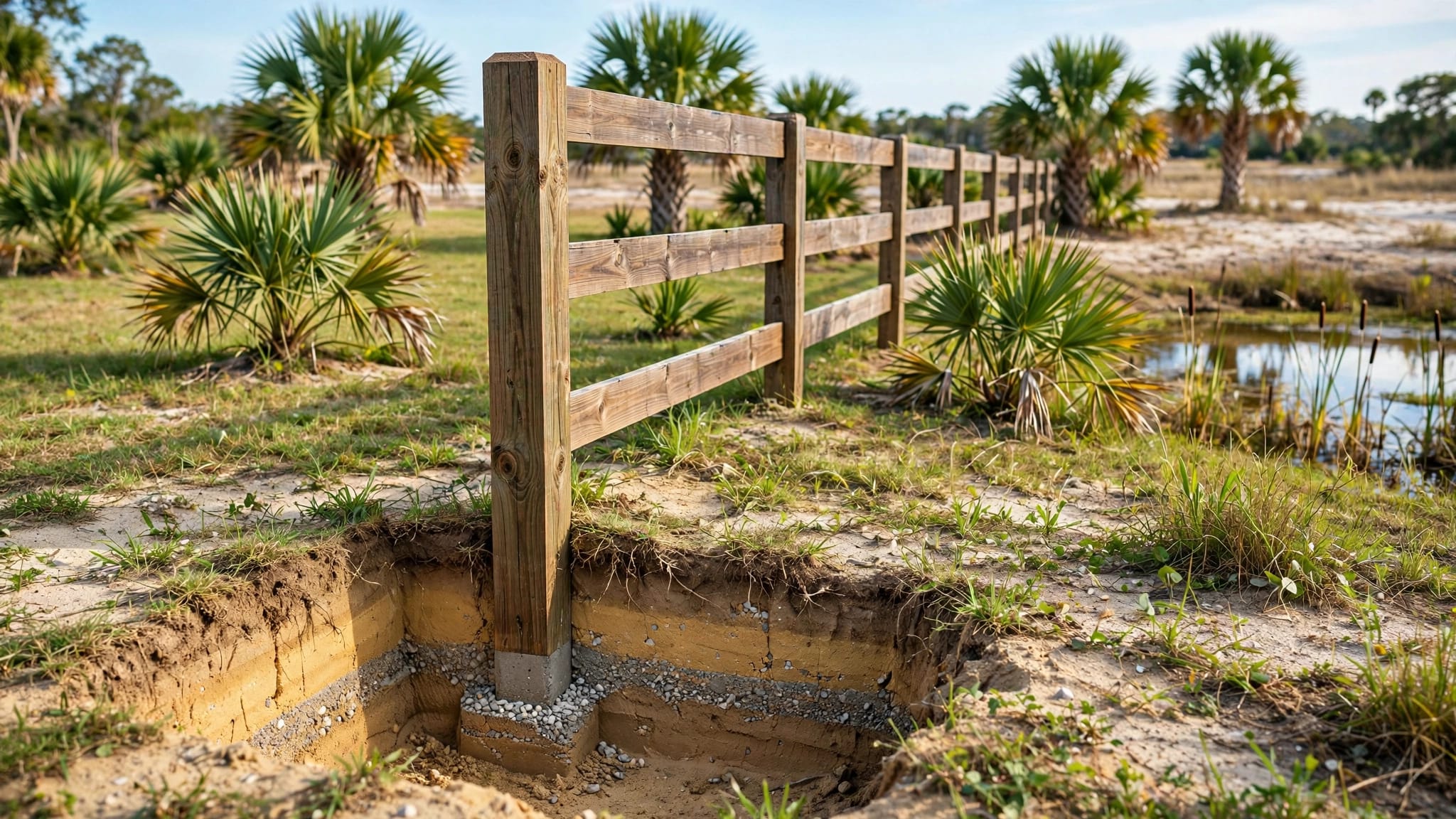
- Mark the planned fence line before digging.
- Talk to your neighbor if the fence is near a shared boundary or will replace an old one.
- Get any shared-cost or shared-line agreement in writing.
- Confirm the permit before the crew starts work.
That process sounds basic, but it prevents the most common mistakes. It also gives your installer a clear target, which makes the job cleaner and faster.
If you are still comparing materials, talk through the lot layout before you choose. Vinyl, aluminum, wood, and chain link all behave differently around slopes, canals, and tight setbacks. A fence that looks perfect on paper can become a headache if it fights the site.
When the line is clear and the design fits the lot, request a fence estimate so the quote matches the real conditions on site. That is easier than changing the plan after posts are already in the ground.
Conclusion
For most Cape Coral homeowners, neighbor permission is a courtesy, not the deciding factor. The real questions are whether the fence stays on your property, meets city rules, fits any HOA standards, and avoids easements or setback problems.
A survey, a permit check, and a short conversation with the neighbor can prevent the kind of fence dispute that starts over a few inches. In fence work, small mistakes are the ones that cost the most.
The safest approach is simple. Confirm the line, verify the current rules, and build from there.