May 17, 2026
Pie-shaped lots can make fence planning feel harder than it should. The back yard spreads out, the side lines run at odd angles, and a standard rectangle plan often looks off.
In Cape Coral, that shape also changes how you think about privacy, curb appeal, and usable space. A good fence layout follows the lot, protects the right areas, and avoids mistakes that are expensive to fix later.
The best Cape Coral fence layouts start with the lot shape, not with a fence style. Once the property lines are clear, the rest gets much easier.
Why pie-shaped lots need a different fence plan
A pie-shaped lot changes the way a fence sits in the yard. One side may run long and narrow, while the back opens wider than expected. That means a simple, straight layout can waste space or make the yard feel awkward.
The challenge is more than appearance. A fence that hugs the wrong angle can cut into usable lawn, block a patio view, or leave a strange gap near the widest part of the lot. When that happens, gates feel out of place and the whole yard loses balance.
The best plan starts with how you use the space. Do you want a play area, a dog run, a pool enclosure, or a private patio? The answer changes the layout. A fence that works for a side yard storage space may not work at all for a back patio that needs privacy.
Pie-shaped lots also make the eye follow lines more quickly. If one section angles sharply, people notice. That is why the fence line should feel intentional. It should guide the view, not fight the shape.
Verify lot lines before you draw the fence
Before you mark a single post hole, confirm the property boundaries. A plat map is helpful, but it does not replace a current survey. On a pie-shaped lot, even a small error can shift the fence in a way that matters.
Check the survey, recorded easements, HOA rules, and local fence requirements before you settle on a layout. Utility access, drainage paths, and setback rules can all affect where the fence can go.
A fence can look centered and still create a problem if it crosses an easement or sits too close to a boundary. The survey matters more than symmetry.
A smart pre-check usually includes:
- The current property survey, so you know where the corners really are
- Any easements, so access stays clear for utilities and drainage
- HOA guidelines, so height and style stay within neighborhood rules
- City or county fence requirements, so the project is approved before work starts
If the lot has older markers or unclear pins, get them confirmed before installation. Guessing is expensive. A few minutes of checking can prevent a fence from landing inches off target.
Fence layout options that fit the shape
Once the lines are confirmed, the real layout choice starts. There is no single answer for every pie-shaped yard. The right design depends on how much space you want, how private the yard should feel, and how much visual balance matters.
This quick comparison shows the main approaches homeowners use.
| Layout choice | Best fit | Main tradeoff |
|---|---|---|
| Follow the angled side lines | A larger usable yard and a natural fit | The rear line can look less even |
| Keep the rear fence straight | A clean look and easier building | Uses more space on one side |
| Split the difference | A balanced look | Takes more planning and exact measuring |
| Mix privacy and open sections | Patios and side yards with different needs | Needs careful transitions |
Following the lot lines can give you the most usable yard. It also keeps the fence aligned with the property shape. On the other hand, a straight rear fence can make the yard feel calmer and more regular, especially from inside the house.
A split layout often works well when the lot widens a lot at the back. It can reduce the sharp look of the angles without wasting space. That said, it needs careful measuring so the finished fence does not look forced.
Privacy and openness can work together too. For example, a solid section near the patio and a lighter section along a side yard can make the space feel both useful and open.
Measure the lot in more than one place
Paper measurements alone are not enough on a pie-shaped lot. The shape changes as it moves toward the back, so one width can be misleading. You need several measurements before you decide on post locations.
Start with the property corners, then measure the side lines and the widest rear point. After that, mark where gates, AC access, pool equipment, or storage areas need room. Those features often decide where the fence should shift.
A simple field plan helps keep the layout honest:
- Mark the property corners or survey pins first.
- Measure the front width, mid-point width, and rear width.
- Check the angle where the yard opens, especially near the back.
- Mark gate swings and access paths before finalizing post spacing.
That process helps you see how the fence will sit in real life, not just on the survey. It also shows where a small angle change can create a better yard shape.
If the yard slopes or drains toward one side, factor that in too. Water flow can change where the bottom of the fence should sit. A line that looks fine on flat ground can look uneven once the posts are set.
Pick materials and styles that match the shape
Material choice matters as much as layout. In Cape Coral, sun, moisture, and wind all affect how the fence looks over time. A layout that fits the lot but uses the wrong style can still feel out of place.
If you're comparing options, view our full range of fencing options to see which materials fit your yard plan best.
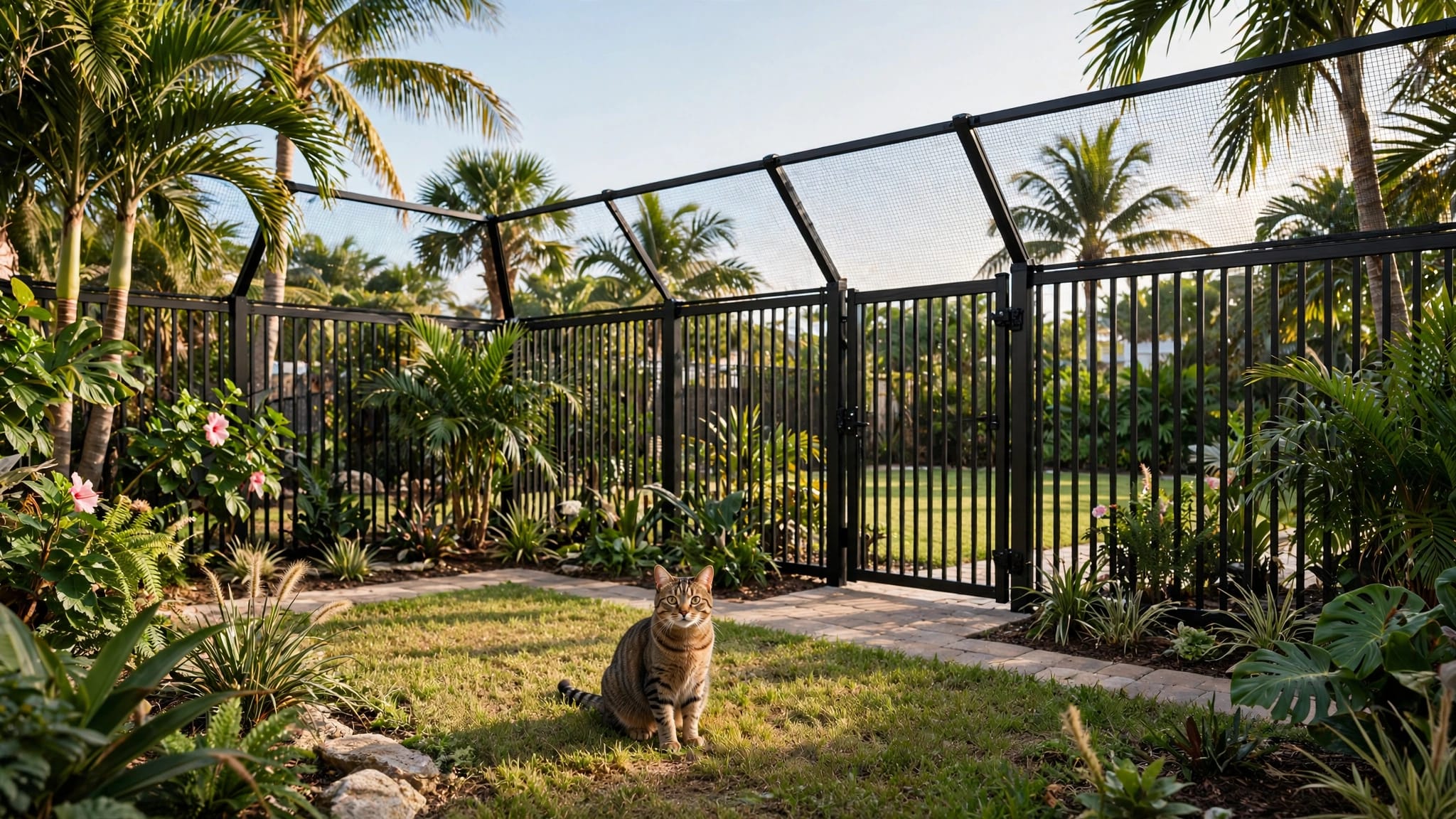
Vinyl works well when you want a clean, consistent look. It can help a pie-shaped lot feel more orderly because the lines stay crisp. Aluminum is a good match when you want openness and less visual bulk, especially along sides where you do not need full privacy.
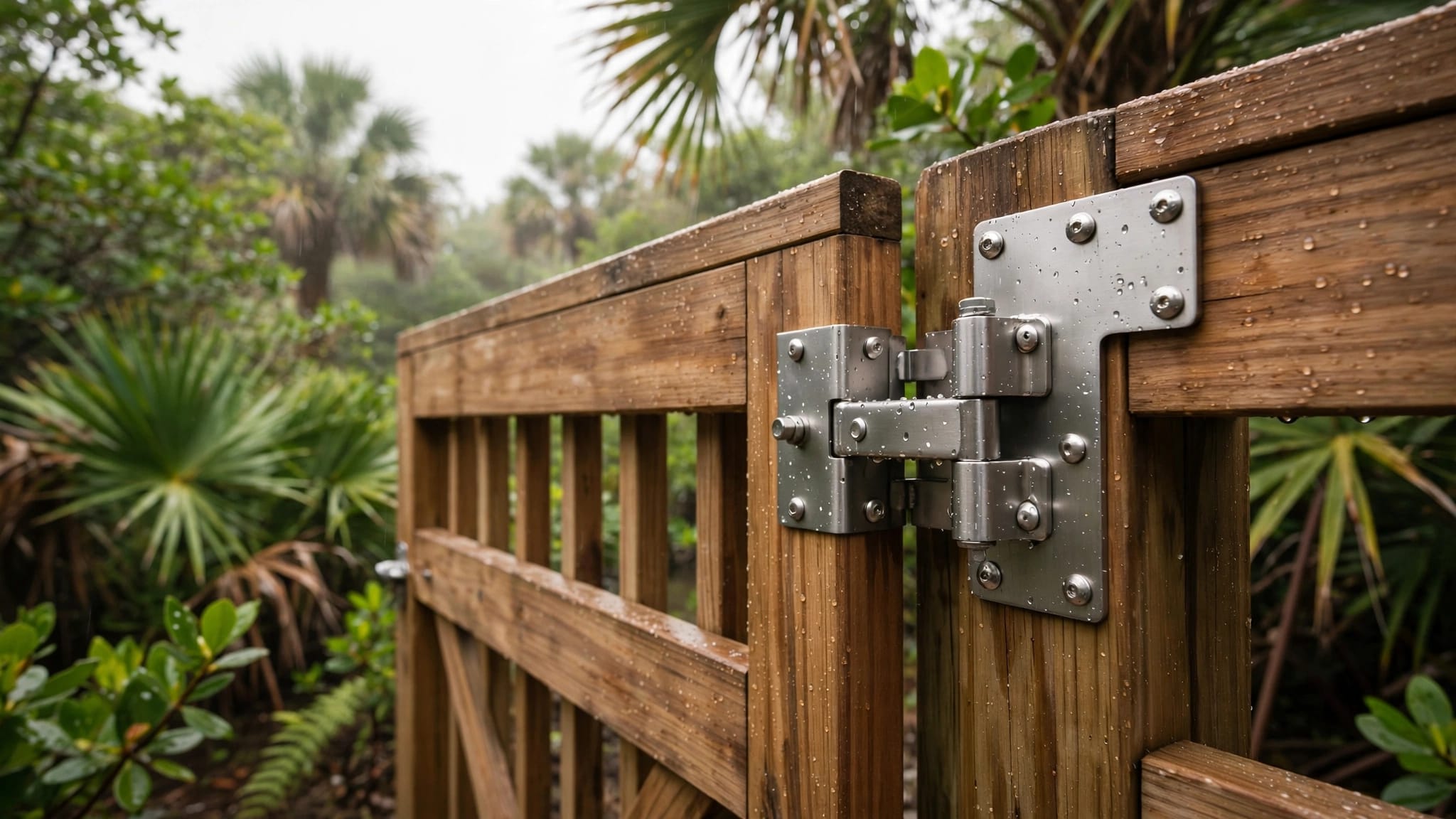
Wood brings warmth and a softer look. It can also make a wide rear yard feel more natural. The tradeoff is upkeep, since wood needs more care over time. Chain link is practical for side yards, pet areas, and budget-focused projects, though it does not hide the odd angles.
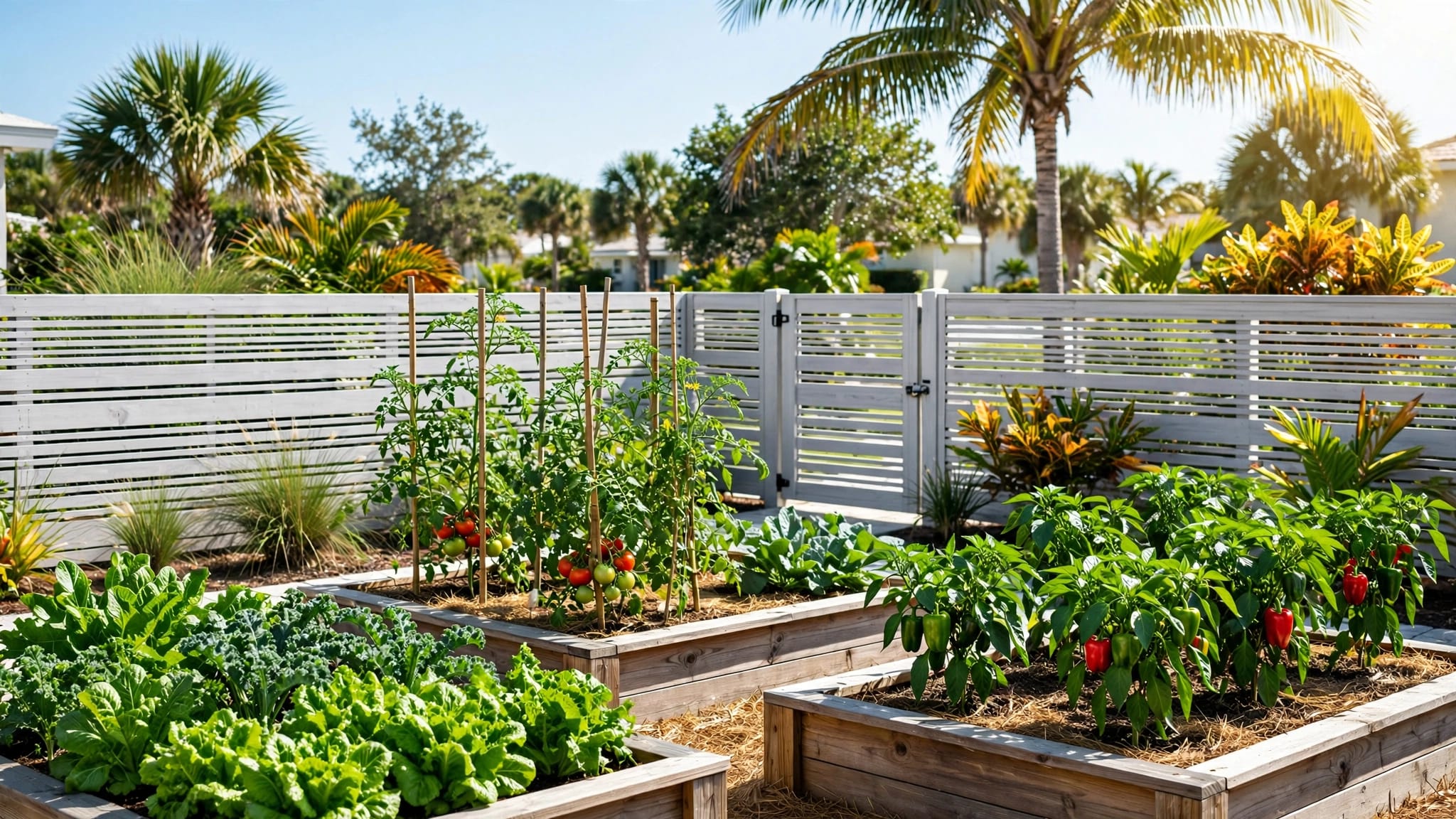
Louvered and semi-private styles are useful when you want a middle ground. They block direct views without turning the widest part of the lot into a solid wall. That can matter on a pie-shaped yard, where a full privacy fence may make the back feel narrower than it is.
The best visual results usually come from matching the style to the shape. A sharp angle draws attention fast. A softer transition, or a change in fence height or style near the widest point, can make the layout feel planned instead of patched together.
Conclusion
Pie-shaped lots need more thought than a standard fence job. The best result comes from clear property lines, checked easements, and a layout that fits how you use the yard.
Once the measurements are right, the fence style becomes easier to choose. Privacy, openness, and curb appeal can all work together when the design follows the lot instead of fighting it.
If your Cape Coral yard widens in the back or narrows near the front, a careful site plan can save time and money. A layout that fits the shape will feel better every day. If you want help with the next step, request a free fence installation estimate.