May 20, 2026
A fence can look perfect on paper and still cause problems if it crowds a septic tank or drain field. In Cape Coral, that matters because many yards need space for inspection, pumping, and repairs, not just a neat border.
The best Cape Coral fence layouts leave room for the system and still fit the yard you want. They also avoid surprises when a technician needs access or a future fence repair comes up.
Before posts go in, it helps to map the septic parts, the service path, and the fence style that fits the space. That small step can save a lot of rework later.
Cape Coral fence layouts start with the septic map
The first step is locating every septic feature on the property, not just the tank itself. Tank lids, risers, cleanouts, and the drain field all matter, because each one needs a different kind of access.
Old records can help, but they don't replace a fresh check on site. A tank may sit closer to a side yard than the owner expects, and the drain field can spread into an area that looks open at a glance.
A fence line that crosses those areas can create a tight work zone. That makes pumping harder, slows inspections, and can turn a small repair into a bigger job.
If the septic layout isn't obvious, mark it before a layout stake goes in. A simple walk-through with the installer, plus any paperwork you already have, gives everyone the same picture.
If the access lid is hard to reach on foot, it will be harder to reach with a truck or hose.
That point sounds simple, but it changes the whole plan. The fence should never make routine septic work feel like a puzzle.
Leave room for service access and repairs
Once the system is marked, the fence should follow the yard, not trap the service route. In many cases, that means shifting a line a few feet, moving a gate, or leaving a wider opening near the tank side of the home.
Think about the path a service tech would use on a busy day. The route should be direct, wide enough for tools, and free of sharp turns. If the fence forces a tech to carry hoses or equipment across planted beds or tight corners, the layout is working against you.
A good fence plan also keeps future repairs in mind. Lids may need to be opened, lines may need to be located, and the drain field may need a careful check after heavy rain. A layout that looks clean but blocks that access can cause frustration later.
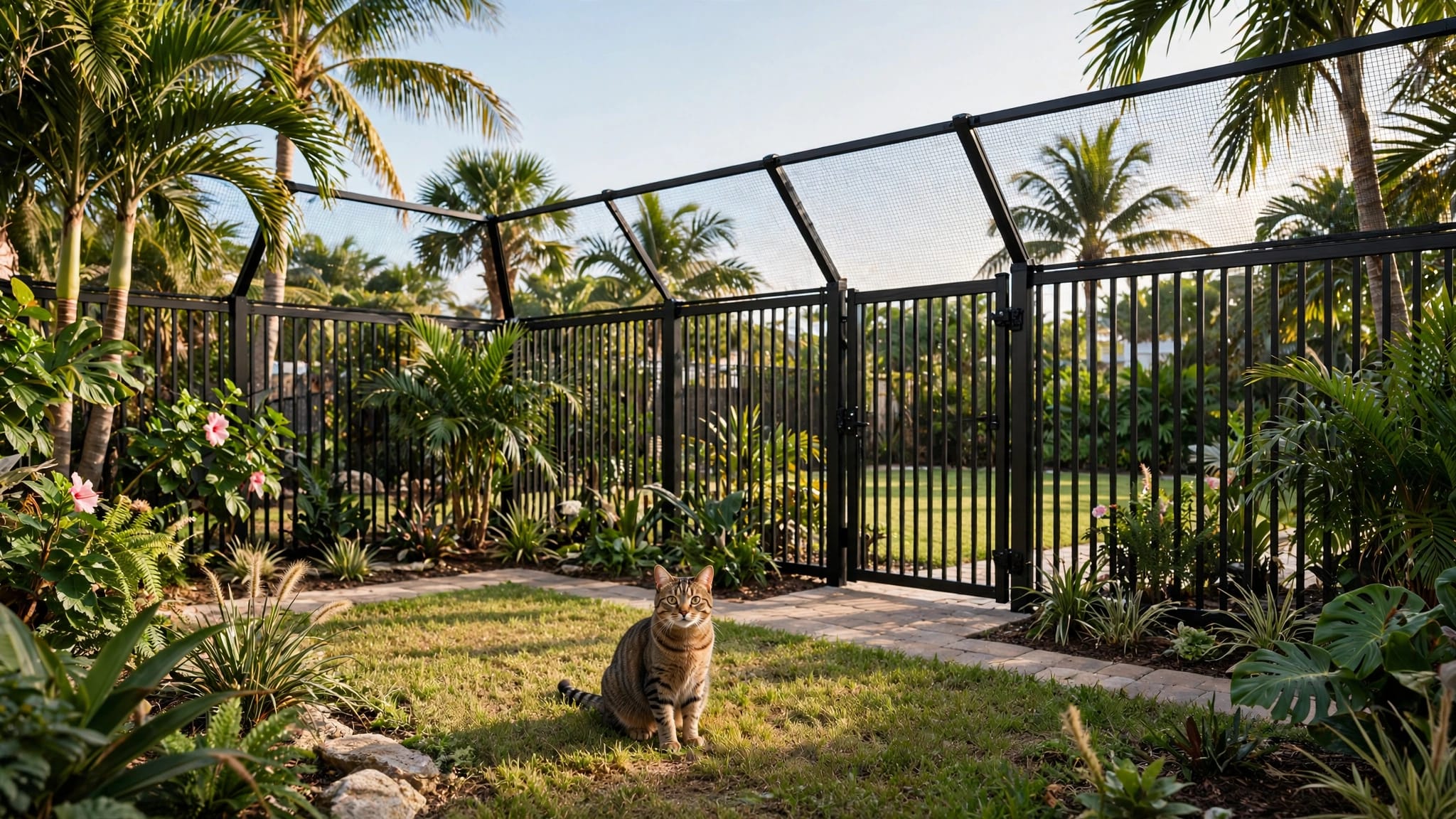
If you want privacy, it can still be done. The trick is putting privacy where it helps, then easing up near the service area with a gate, an offset, or a more open section. The fence can protect the yard without boxing in the septic system.
Fence styles that work better near septic areas
Fence material matters, because some styles fit a septic yard more easily than others. The best choice depends on how close the system sits to the property line, how much privacy you want, and how often you may need to reach the tank.
The table below gives a quick side-by-side look at common options.
| Fence type | Why it can work near septic areas | Watch out for |
|---|---|---|
| Vinyl | Clean look, easy to match a home, good when placed outside service zones | Solid panels can hide lids and narrow the access path |
| Aluminum | Open sightlines and a lighter look near a drain field | Gate placement still needs care |
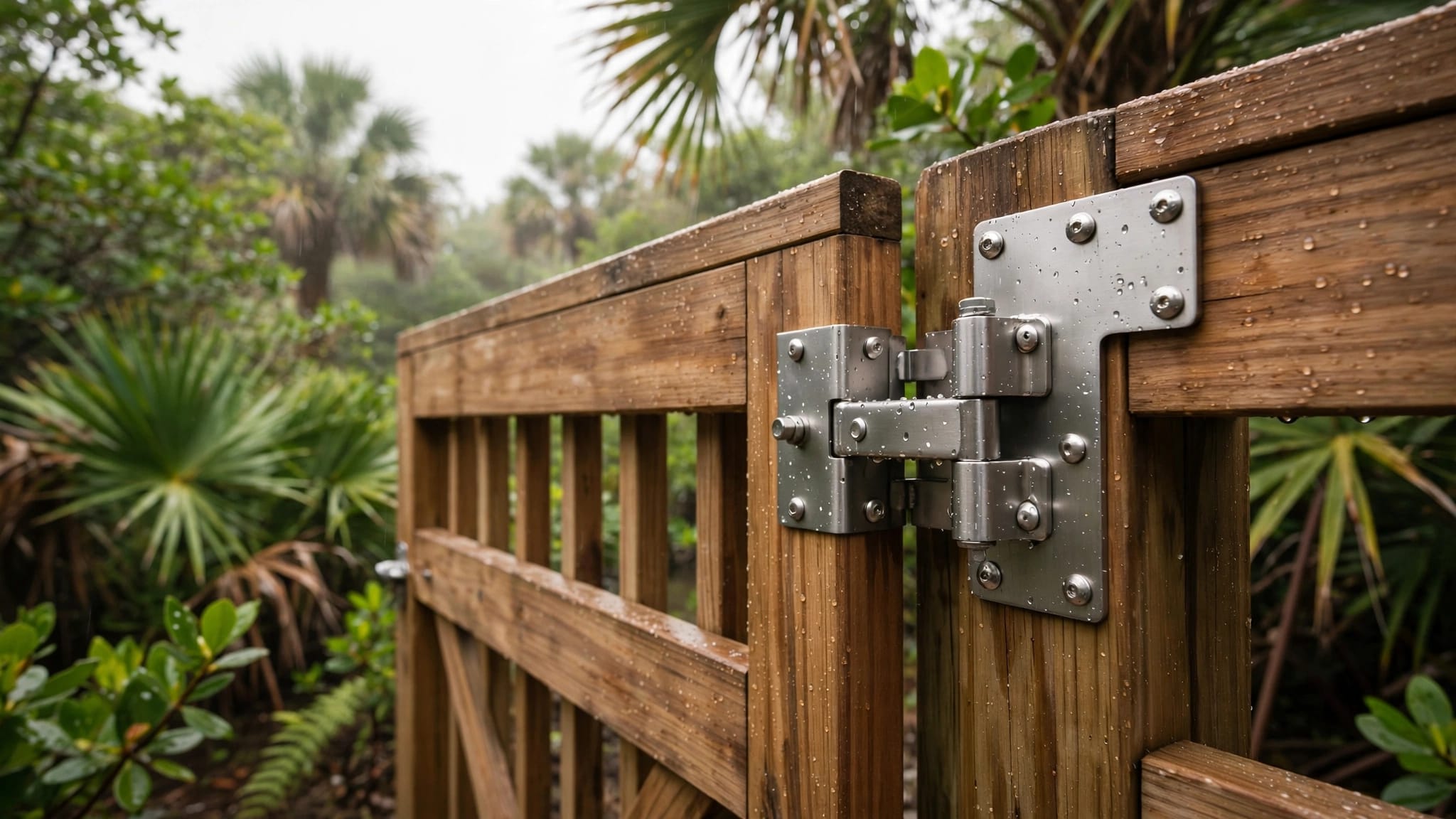
| Wood | Good for privacy on the main yard side | Needs more planning around service access and wet spots |
| Chain link | Simple, visible, and easy to service around | Doesn't give much privacy |
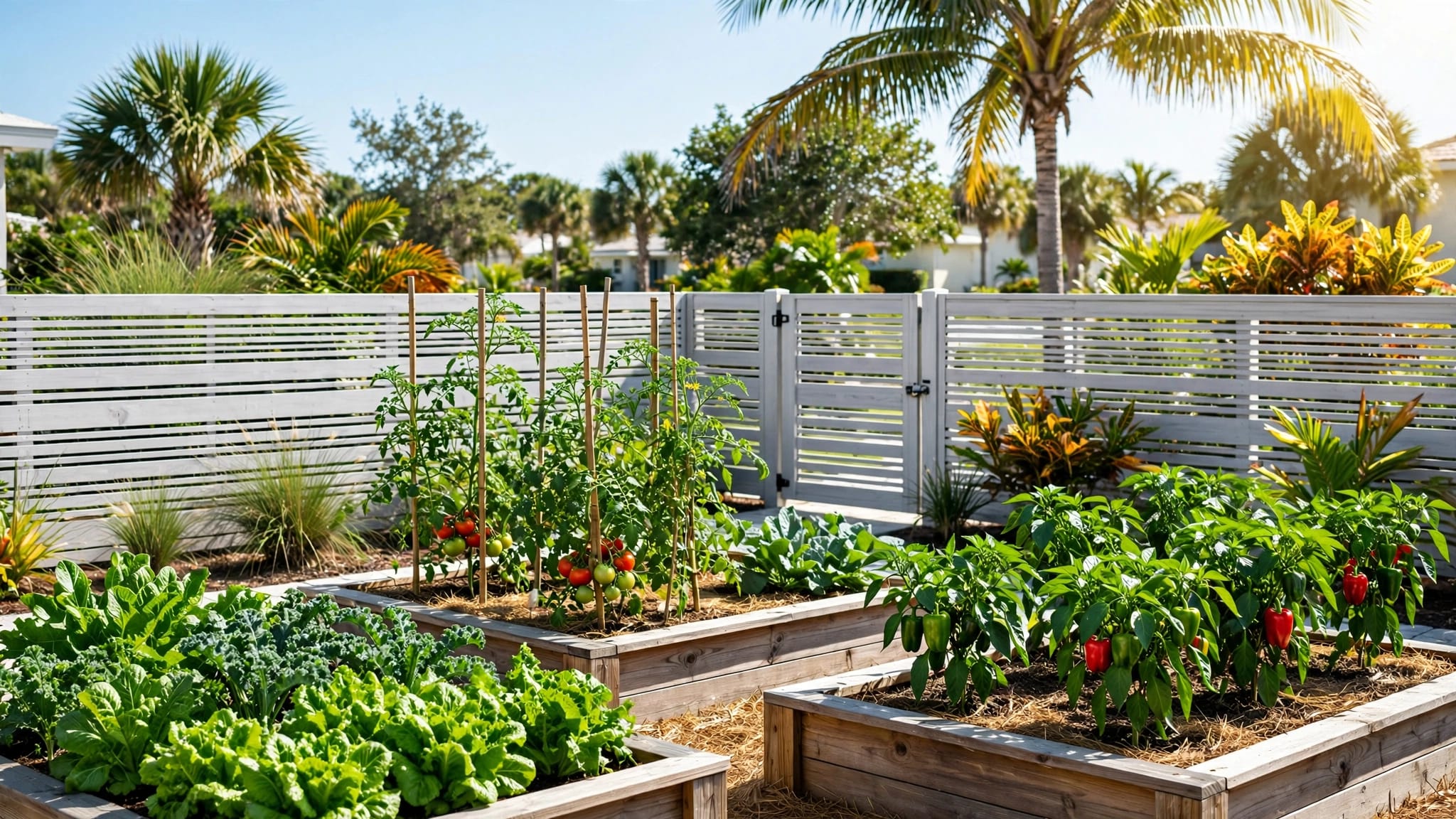
| Louvered or slatted | Balances privacy with a less closed-in feel | Too much closure can still crowd the area |
Open designs usually make septic access easier. That doesn't mean every homeowner should choose the same fence, because style, lot shape, and budget still matter. It does mean the area closest to the tank or drain field often benefits from a simpler layout.
Some homeowners use one style near the service side and another in the backyard. That keeps the space practical without giving up curb appeal. It also makes it easier to spot changes in the ground if the septic area needs attention later.
What to confirm before the crew starts digging
Before any hole gets dug, confirm the basics. Utility locating should happen first, because fence posts and buried utilities don't mix. After that, check the current permitting path and any septic-related requirements that apply to your property.
A local fence contractor should know to slow down when a marked system, easement, or service line changes the plan. Septic components aren't always where the owner thinks they are, so a fresh review is better than guessing.
It also helps to ask how the job will unfold. What to expect during fence installation gives a useful picture of the workday, from layout to cleanup, which makes it easier to prepare the yard and keep the septic area open.
Timing matters too. If your install needs a permit or a reschedule around weather, the project can take longer than a simple backyard fence. Cape Coral fence installation timelines helps set realistic expectations before you commit to a layout.
The best time to catch a septic conflict is before holes are dug. That is when moving a gate or shifting a post line is still simple.
Common mistakes that cause trouble later
The most common mistake is treating the septic system like empty yard space. It isn't. A post too close to a lid can block access later, and a fence line that cuts across a drain field can make service harder than it should be.
Another problem is forgetting the equipment. A person can squeeze through a narrow gate. A pump truck, hose, or repair crew often can't. If the only access route is a tight side yard, the layout needs another look.
Heavy traffic over the drain field is another concern. Repeated pressure can affect the soil, so it's smart to keep vehicles and deep post work out of that area whenever possible. Even when the yard looks firm, the safest path is usually the one that avoids the field.
Drainage deserves attention too. In Cape Coral, a fence that sits in the wrong low spot can collect water along the line, especially after rain. That doesn't help the septic area, and it can shorten fence life.
A careful layout keeps the fence useful for years, not just for opening day. It also gives you a cleaner yard without creating extra work for the next service visit.
Conclusion
Good septic-friendly fencing starts with access. If a tank, cleanout, or drain field sits near your fence line, the layout needs to respect it from the start.
That usually means a clear service path, the right gate placement, and enough room for inspection, pumping, and repairs. When those pieces line up, the fence still looks polished, and the septic system stays easier to manage.