May 26, 2026
A double lot gives you room to spread out, but it also makes fence planning more complicated. A layout that works on a standard parcel can look awkward, block access, or waste space when the yard is twice as wide.
That matters in Cape Coral, where yards often need to balance privacy, drainage, gates, and everyday use. The best Cape Coral fence layouts do more than mark a line, they help the whole property work better.
If you're planning a fence for a larger residential lot, the layout should start with how you live on the property, not with the fence style. The shape of the yard, the placement of the house, and the way you move through the space all shape the right plan.
Why a double lot changes the fence conversation
A double lot feels open at first, then the design questions pile up. Do you want one large backyard, or two clear zones? Should the fence hug the entire perimeter, or should part of the property stay open for views and access?
On a larger lot, a fence becomes part boundary, part design feature. A run of privacy panels can make the yard feel secure, but it can also make a wide property feel boxed in. Meanwhile, a lighter fence can keep the space open, yet leave outdoor areas feeling exposed.
The right answer depends on how you use the land. Some homeowners want one broad lawn for kids and pets. Others want a separate side area for storage, tools, or service access. In many cases, the best fence plan is the one that defines space without cutting it up too much.
The size of the property also affects how the fence looks from the street. Long fence lines need visual balance. If every section has the same height and same material, the yard can feel flat. A better layout adds purpose to each side of the lot.
Start with the lines, easements, and gate access
Before you think about style, confirm the property lines. Guessing is expensive, especially on a double lot where one side can stretch much farther than expected. A property line survey check before fencing gives you a cleaner start and helps avoid placement mistakes.
That step matters even more when the lot includes easements, drainage paths, or utility access. A fence can't block something you may need to reach later. It also shouldn't force awkward gate placement just because the layout looked fine on paper.
A fence plan can look perfect and still fail if it ignores access or drainage.
Before installation, mark the parts of the yard that need room to function. These usually include:
- Driveways and vehicle turn areas
- Side gates for mowers, carts, or trash bins
- Utility access strips
- Drainage swales or low areas
- Pool service access, if there's a pool
Once those pieces are clear, the fence layout becomes easier to shape. You can place gates where they get used, not where they happen to fit. You can also avoid locking in a design that feels crowded once furniture, equipment, or landscaping goes in.
Common Cape Coral fence layouts for double lots
There isn't one layout that fits every property. Still, a few patterns show up often because they solve common problems well.
| Layout | Best for | Strengths | Trade-offs |
|---|---|---|---|
| Full perimeter fence | Owners who want privacy and a clear boundary | Strong security, clean lines, easy to define the whole lot | Can feel heavy on a large property |
| Perimeter fence with open front sections | Homes that need curb appeal and some openness | Keeps the yard from feeling closed off | Less privacy near the street |
| Split yard zones | Properties with play areas, storage, or service space | Organizes the lot and keeps uses separate | Needs careful gate and path planning |
| Mixed-height fence layout | Lots that need both privacy and visual balance | Adds function without making the property feel boxed in | Requires thoughtful design to look intentional |
A full perimeter fence works well when privacy is the top goal. It gives the entire lot one clear edge and can make a big property feel secure. This is a strong choice for families, pet owners, and homeowners who want a contained outdoor space.
Split zones make sense when the lot needs different jobs. One side can stay open for lawn care or storage, while the other side becomes a more private hangout or play area. On a double lot, that kind of separation can make the property feel easier to use every day.
Mixed-height layouts offer a middle ground. For example, you might use taller privacy fencing at the back and along one side, then switch to a lighter style near the front or along a visible edge. That keeps the fence from dominating the yard while still giving you the coverage you need.
The key is to avoid random changes. A layout should look like one plan, even when it uses more than one fence height or style.
Choosing fence materials that fit the scale
Large properties can make weak design choices obvious. A fence material that looks fine on a smaller lot may feel too busy, too heavy, or too plain when it runs across a double lot.
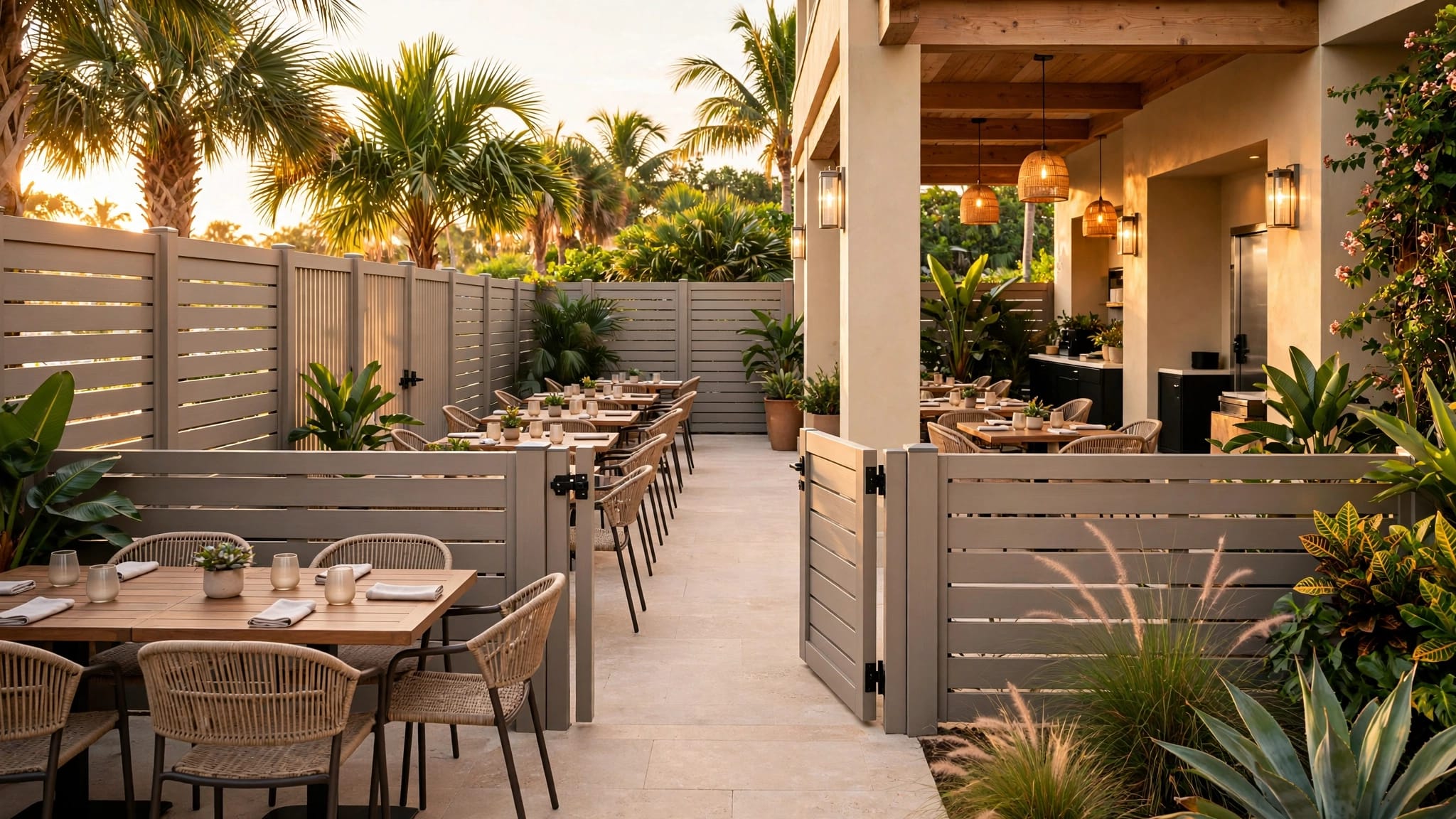
Vinyl is a strong option when you want a clean, low-maintenance look. It works well for privacy sections and long runs because it holds a consistent appearance. On a larger property, that consistency helps the fence feel intentional.
Aluminum is a good fit when you want visibility and a lighter feel. It suits pool areas, side boundaries, and places where the yard should stay open. Because it doesn't block the view, it can keep a wide lot from feeling cut off.
Wood brings warmth and a classic look, but it needs more upkeep. On a double lot, the extra footage matters, so maintenance becomes part of the decision. Wood can still be the right choice if you want a natural finish and don't mind regular care.
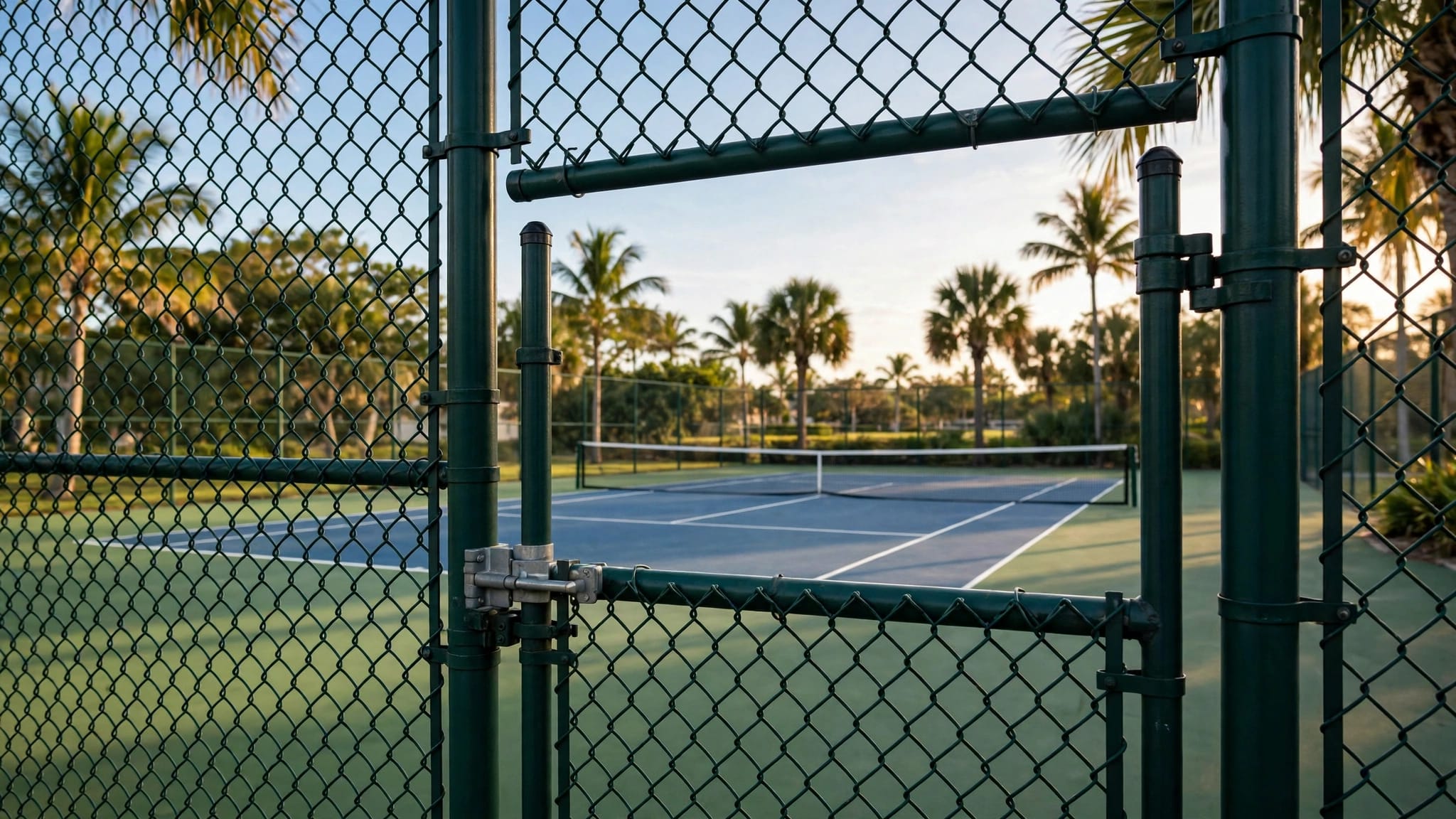
Chain link is practical for pets, service areas, and budget-focused layouts. It's not the most private option, but it can work well on large properties where function matters more than appearance.
Louvered or privacy-style fences are helpful when you want airflow with coverage. That can matter in Southwest Florida, where wind and sun are part of daily life. These styles can soften the look of long fence lines without leaving the yard fully exposed.
Plan around the yard zones you actually use
A double lot works best when the fence matches the way you move through it. That means thinking about zones, not just lines.
If you have a pool, the fence should support safe movement around that area. If you have a dog run, that part of the yard should connect to the house and a gate without extra steps. If you need space for a trailer, mower, or storage pad, the layout should leave a clear route in and out.
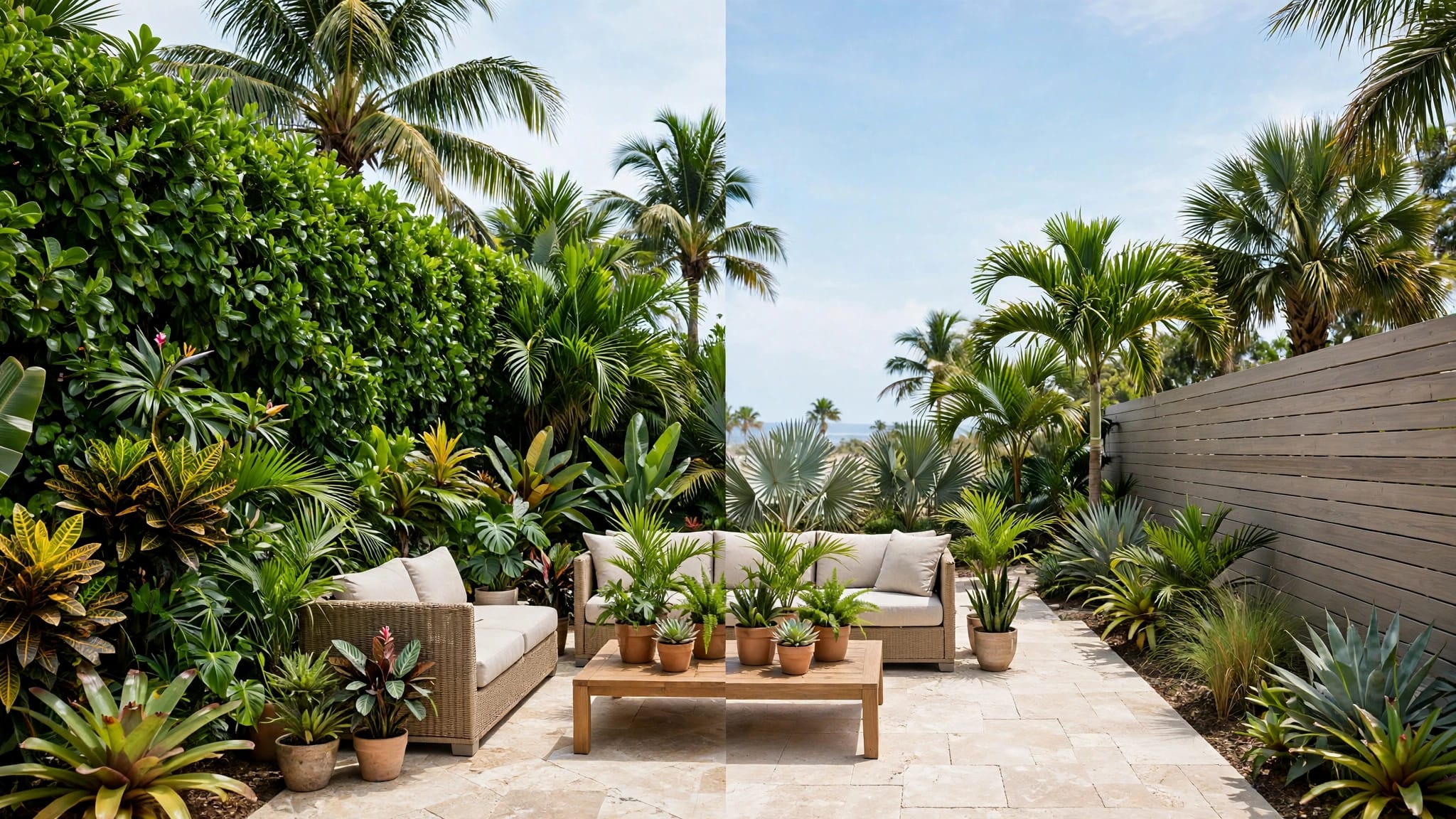
A wide lot also gives you room for outdoor living areas. Maybe one part of the yard is for a patio set, while another holds turf, garden beds, or a play space. The fence should support those uses, not fight them.
This is where gate placement matters most. A gate on the wrong side can turn a simple task into a daily hassle. A gate in the right spot saves time every week. It can also make the yard feel more connected to the house.
If you're also planning pavers, turf, or landscaping, line those decisions up with the fence plan. Otherwise, you can end up reworking one project after the other.
If the lot is a new build, time the fence right
New construction gives you more flexibility, but timing matters. If you install too early, you may have to work around grading, sod, or irrigation. If you wait too long, the yard can stay unfinished for months.
When the property is still under construction, it helps to plan the fence before the final landscape work goes in. A layout that matches the finished site saves a lot of extra labor later. It also reduces the chance of damaging new grass or freshly installed features.
For homeowners in that stage, fence planning before sod goes in can make the whole project easier to coordinate. The layout, post placement, and gate locations all work better when they're set before the yard is finished.
That said, don't rush the decision just to get it done. A fence is part of the property's long-term use. It should fit the final yard, not the temporary one.
Questions worth asking before installation
A strong fence plan starts with a few simple answers. Before you approve a layout, ask:
- Where do you need daily access?
- Which parts of the yard need privacy?
- Do you want one large open space, or separate zones?
- Will a gate need to fit a mower, cart, or trailer?
- Are there drainage, utility, or pool concerns?
- Do you expect to add landscaping or outdoor features later?
These questions help narrow the layout before posts go in the ground. They also keep the project focused on how you'll use the property, not just how the fence looks on day one.
A double lot gives you more room to plan well, but it also gives you more room to make costly mistakes. Once the fence is set, changing the layout is a lot harder than changing the drawing.
Conclusion
The best fence layout for a double lot is the one that makes the property easier to live with. It should fit the lines, respect access points, and support the way you use the yard every day.
When you get the layout right, the fence feels like part of the property, not an afterthought. That's what makes a large Cape Coral lot feel organized, private, and ready for real use.