May 11, 2026
Cape Coral chain link fence cost can swing more than most homeowners expect. A simple run on flat ground may stay near the low end, while a taller fence with a gate, coastal coating, or tricky access can climb fast.
In May 2026, most installed chain link projects in Cape Coral land in a broad range, often about $10 to $40 per linear foot . That spread makes sense once you factor in height, wire gauge, posts, gates, permit work, and how close your lot sits to salt air or water.
If you're still choosing between galvanized and coated options, the homeowner guide to chain link fence options is a helpful place to start. The numbers below will help you read a quote with a sharper eye.
What Cape Coral homeowners are paying in 2026
For most residential jobs, chain link sits near the budget-friendly end of the fence market. The price rises when the fence gets taller, the wire gets heavier, or the finish needs more protection from Florida weather.
Here is a simple way to think about installed pricing in Cape Coral right now.
| Fence type | Typical installed range per foot | What it usually fits |
|---|---|---|
| 4-foot galvanized chain link | $10 to $20 | Basic yard enclosure, simple layout |
| 4-foot vinyl-coated chain link | $12 to $25 | Better curb appeal and rust resistance |
| 6-foot galvanized chain link | $15 to $30 | More privacy and security |
| 6-foot vinyl-coated chain link | $18 to $40 | Stronger coastal choice, higher finish cost |
That spread is normal. The low end usually means a clean, easy layout with standard hardware. The high end shows up when the fence is taller, the lot is more complex, or the finish needs extra protection.
A professional chain link fencing installation also includes more than fabric and posts. Labor covers digging, concrete, stretching the mesh, setting gates, and cleanup. On a Cape Coral property, that labor matters as much as the materials.
The costs that move the quote up or down
A chain link quote is a stack of small choices. Change one piece, and the final number shifts.
Here are the main items that shape the price:
- Fence height : A 6-foot fence needs more material and stronger posts than a 4-foot fence. That alone can add several dollars per foot.
- Wire gauge and coating : Thicker wire costs more. Vinyl coating also adds cost, but it can help in salty air.
- Gates : A single walk gate often adds a few hundred dollars. Drive gates cost more.
- Yard access : If crews can reach the work area easily, labor stays lower. Tight side yards or lots with poor access add time.
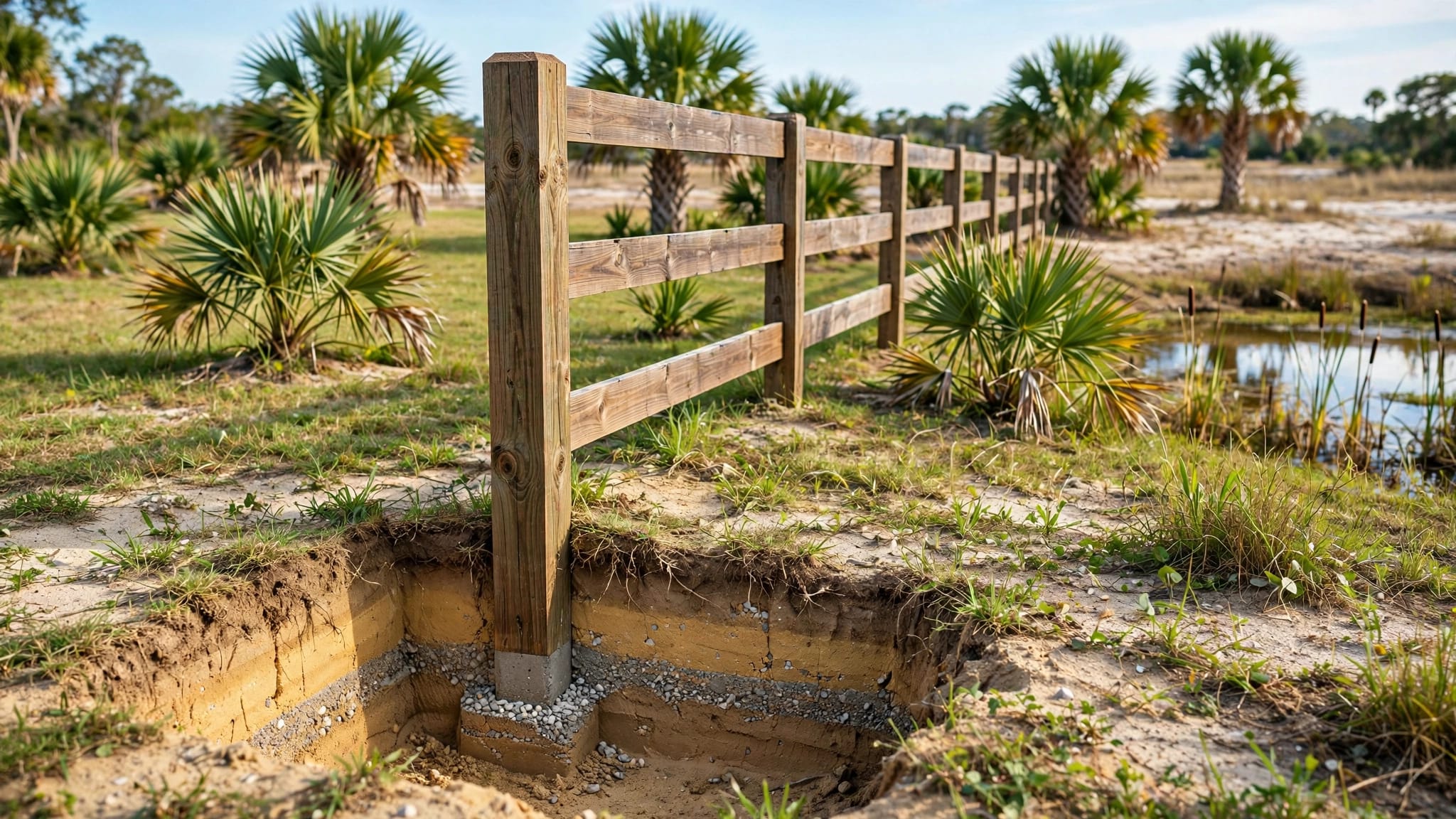
- Ground conditions : Cape Coral soil is sandy, so posts may need deeper holes and more concrete.
- Old fence removal : Taking down and hauling away an old fence adds labor and disposal fees.
- Hardware quality : Better tension bands, fittings, and posts cost more upfront, but they usually hold up better.
A fair quote should explain these parts in plain language. If a bid is vague, ask what kind of wire, posts, and gate hardware it includes.
The cheapest quote can hide thin wire, light posts, or low-grade hardware. Those savings disappear fast if the fence sags or rusts early.
Sample prices for common yard sizes
Per-foot pricing helps, but most homeowners want to know the total. Yard size changes the math quickly.
The table below shows rough installed totals for common Cape Coral fence projects. These are estimates, not promises.
| Yard size / project | Typical setup | Rough installed total |
|---|---|---|
| 80 feet | 4-foot residential fence | $800 to $1,800 |
| 100 feet | 4-foot residential fence | $1,000 to $2,400 |
| 150 feet | 4-foot or 6-foot fence | $1,800 to $4,500 |
| 200 feet | 6-foot or mixed-height fence | $3,000 to $7,000 |
| 250 feet | Larger perimeter with gate(s) | $3,800 to $8,500 |
Those ranges can shift with one gate, extra corner posts, or a difficult layout. For example, a 150-foot backyard with a walk gate, vinyl coating, and normal access may land near the middle of the range. The same fence on a flat, open lot with basic galvanized mesh may cost less.
This is why two neighbors can get very different quotes for what looks like the same fence. Length matters, but site conditions and finish choices matter too.
If you want a broader material comparison before you price the job, the article on galvanized vs vinyl-coated chain link fence is useful for coastal lots.
Cape Coral permits and coastal conditions
Cape Coral pricing does not exist in a vacuum. Local rules and coastal wear can both push a quote higher.
Fence permits and code checks may apply based on height, placement, and lot location. A contractor should verify current city rules before work starts. That matters near corners, easements, canals, and drainage areas. If the fence location needs adjustments, the project can take more time and cost more.
Coastal conditions matter just as much. Salt air can wear down metal faster than inland conditions. That is why coated chain link often makes sense on exposed lots, especially near water. Posts, fittings, and fasteners need attention too, because weak hardware fails before the mesh does.
Sandy soil also affects the build. Posts may need deeper setting and more concrete so the fence stays straight. On some properties, drainage or root issues can slow the install as well.
Common price bumps in Cape Coral include:
- permit and inspection work
- canal-side or water-adjacent placement
- deeper post setting for sandy soil
- stronger hardware for wind exposure
- removal of an old fence or overgrown material
None of these items makes a fence a bad investment. They just explain why one quote may look simple while another looks higher.
How to keep the quote in check without cutting corners
A smart fence budget starts with clear choices. You do not need to overbuild a yard fence, but you also should not buy the cheapest parts on the truck.
A few practical moves help:
- Choose the height you actually need. A 4-foot fence costs less than a 6-foot version.
- Limit gates if you can. Every gate adds labor and hardware.
- Clear access before install day. Crews work faster when they can reach the line easily.
- Ask what the quote includes. Posts, concrete, gates, and cleanup should all be clear.
- Compare more than one bid. Make sure the wire gauge and coating match.
A low price only helps if the fence lasts. For Southwest Florida, that means looking at finish, hardware, and install quality together. A stronger build can save money later because it resists rust and sagging better.
The best quote is the one that fits your lot, your use, and your weather exposure. That matters more than chasing the lowest line on the page.
Conclusion
Cape Coral chain link fence cost in 2026 comes down to a few clear pieces: height, length, coating, gates, and the condition of the site. Once you add coastal wear, sandy soil, and local permit steps, the range starts to make sense.
If you compare quotes using the same details, the numbers are easier to read. That way, you can spot the difference between a fair install and a cheap bid that leaves out the parts that matter.
A good chain link fence should fit the yard, handle the weather, and stay straight after the first season.