May 28, 2026
A lot of homeowners want more privacy without tearing out a fence that already works. The good news is that aluminum fence privacy panels can often be added to an existing fence, but the fit depends on the fence you already have.
The answer is rarely a simple yes or no. Rail design, picket spacing, post strength, fence height, local code, and wind exposure all matter. If you live in Southwest Florida, those details matter even more because sun, salt air, and strong gusts can punish a weak retrofit.
How privacy panels work on an aluminum fence
Most aluminum fences use open pickets, which means they were built for visibility and airflow. That layout makes them clean and durable, but it also leaves your yard exposed.
Privacy add-ons change that look in a few different ways. Some products slide between pickets. Others attach to rails or posts as screens. A few are custom-made to match the fence line and cover larger sections, such as a patio side, pool equipment area, or back boundary.
If you already have aluminum fencing options on your property, the next step is to see how the fence was built. A fence with standard spacing and solid posts is usually easier to upgrade than one with decorative spacing or older hardware.
If your fence moves a lot in the wind, the privacy add-on needs to be chosen with more care than a simple clip-on insert.
What has to line up before you install anything
Compatibility is where most projects succeed or fail. A privacy panel might look light in a catalog, yet it can put more stress on the fence than you expect.
Here are the main factors to check first:
- Panel spacing : Wide open picket spacing can make some inserts loose or uneven.
- Rail design : Some rails accept add-ons better than others, especially if they have clean, straight runs.
- Post strength : Weak or aging posts may not handle extra weight or wind load well.
- Fence height : Taller fences usually need stronger support for privacy materials.
- Local code : Pool fences, corner lots, and HOA rules can limit height, opacity, or placement.
- Wind exposure : Open yards, canal lots, and corner properties in Southwest Florida often need more caution.
A fence that looks sturdy may still need reinforcement. That matters most when the privacy product blocks air movement. A solid panel catches wind like a sail, so the whole fence has to carry that load.
Best material choices for privacy add-ons
The best material depends on the look you want and how much air you need to keep moving. A full privacy wall is not always the best answer, especially in a warm coastal climate.
| Option | Best for | Maintenance | Main tradeoff |
|---|---|---|---|
| Custom aluminum privacy panels | Clean match to the fence | Low | Less airflow, higher cost |
| Louvered inserts | Partial privacy with ventilation | Low to moderate | Does not block every view |
| Vinyl or composite panels | Strong visual screening | Moderate | Can catch wind and may not match the fence |
| Landscaping screens | Soft, natural privacy | Moderate to high | Takes time to grow and needs trimming |
Custom aluminum panels are the closest visual match when you want the yard to look finished. Louvered panels work well when you want privacy without trapping heat. Vinyl and composite materials can create a stronger screen, but they may need more support in windy spots. Landscaping takes longer, yet it can soften the fence line and reduce the hard look of solid panels.
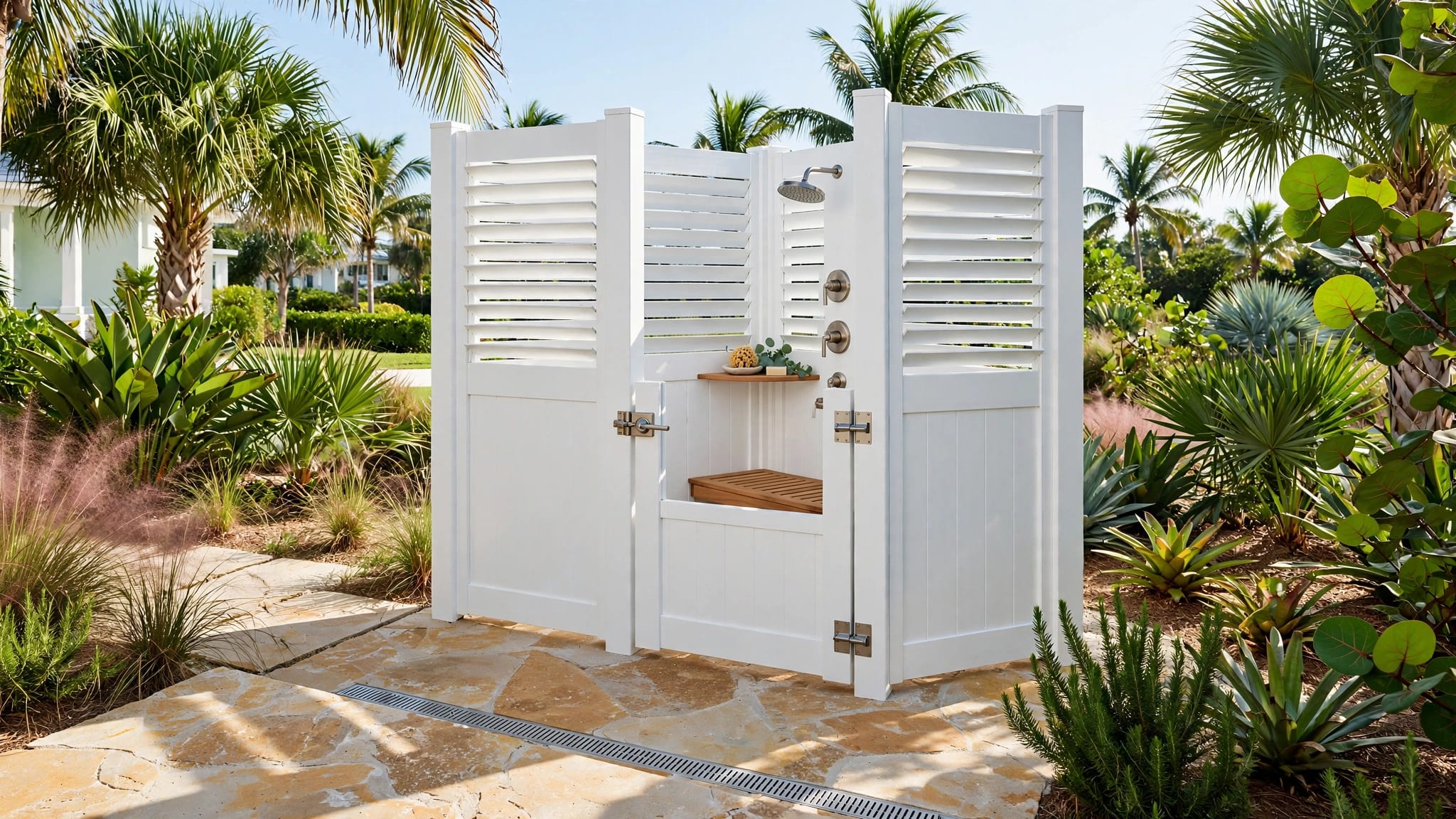
If you want privacy but still want air flow, louvered aluminum privacy styles are worth a look. They can be a smart middle ground for patios, side yards, and pool areas.
DIY or professional installation?
A small retrofit can look simple from the ground. Once the first panel goes up, the real work starts.
DIY makes sense when the add-on is light, the fence is newer, and the product is made for your exact rail size. It can also work for short runs where a homeowner wants a partial screen rather than full coverage.
Professional installation is a better fit when the project involves taller sections, custom cuts, or older posts. It also makes sense when you need the fence checked for corrosion, loose fasteners, or movement in the soil. In Southwest Florida, soil conditions and weather can shift a fence more than people expect.
A pro can also spot a problem that's easy to miss, such as a gate post that already leans a little. Add privacy to that post, and the stress gets worse fast.
Gates, hardware, and long-term care
Gates deserve extra attention. A privacy panel can add weight or change the wind load near the latch side, and that can affect how the gate closes. Hinges may need adjustment, and latches should stay easy to use after the retrofit.
Maintenance depends on the material you choose. Aluminum add-ons usually need the least care. A rinse with water helps remove salt and grime. Vinyl and composite products may need more cleaning to stay bright, while planted screens need trimming and watering.
Check the hardware after strong storms. Fasteners loosen over time, especially when wind pushes against a larger surface. A quick inspection every few months can help avoid rattles, sagging, or bent brackets.
When a different privacy solution works better
Sometimes the smartest move is not a full panel at all. Partial privacy screens can block a patio, AC unit, or pool equipment area without closing off the whole yard. That keeps the fence lighter and often gives better airflow.
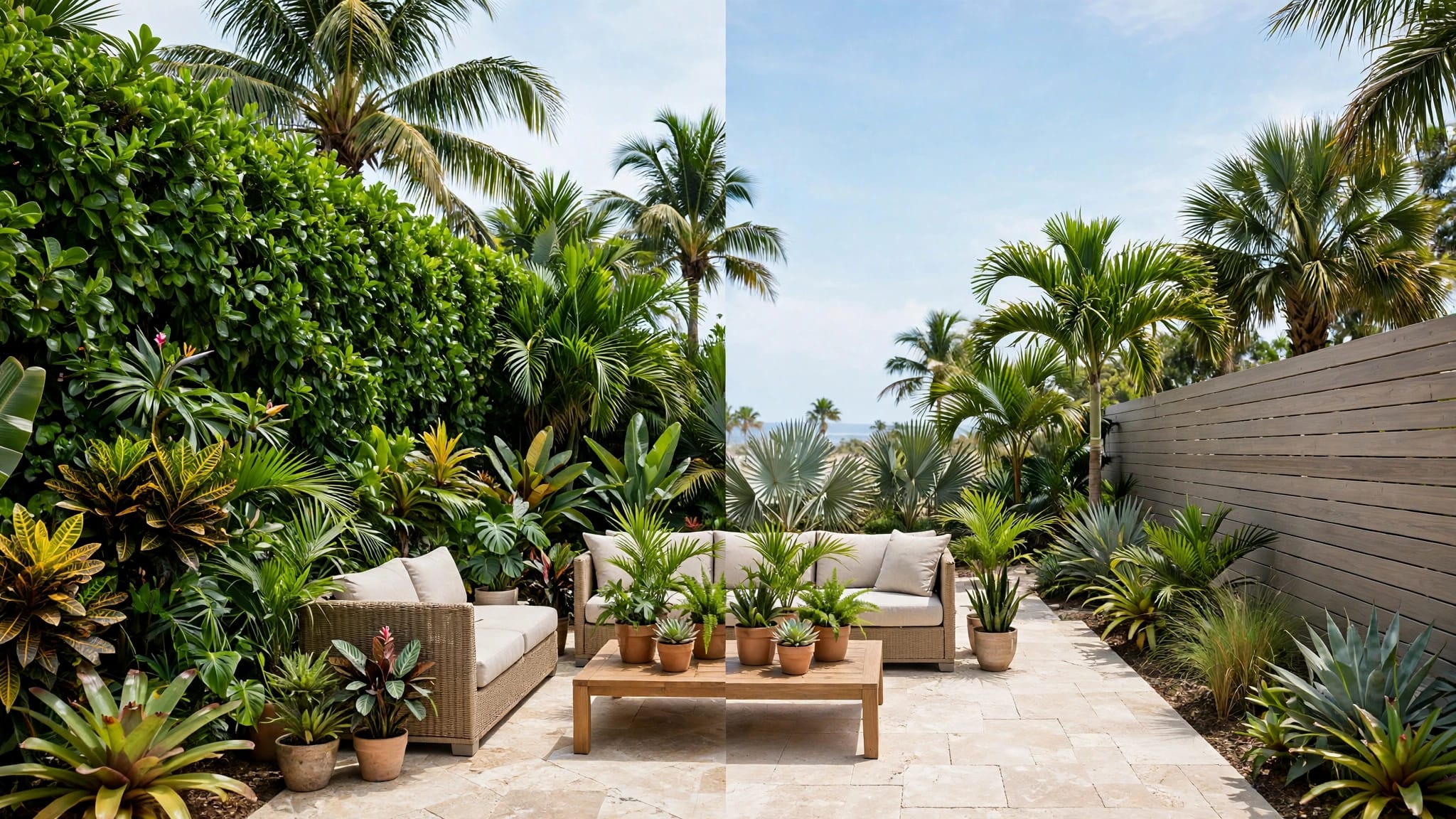
Landscaping is another useful option. Shrubs, hedges, and planters can break up sightlines without changing the fence itself. They also work well when you want privacy in one spot, not the whole perimeter.
If you prefer a balance of shade, air, and coverage, a mixed approach can work well. A few fence sections may get panels, while other areas rely on plants or shorter screens. That keeps the space open where you want it and private where you need it.
Conclusion
Yes, you can often add privacy panels to an existing aluminum fence. The real question is whether your fence can handle the extra weight, wind, and hardware without trouble.
A good retrofit starts with the fence you already have, then matches the privacy product to the rail design, post strength, and local conditions. In a place like Southwest Florida, that check matters as much as the look.
The best result is the one that gives you privacy, fits your fence, and still works after the next storm season.