June 22, 2026
Golf-course homes in Cape Coral need a fence that does more than mark a line. It has to protect pets, soften stray-ball worries, and still keep the fairway view open.
The best golf course fence styles do three jobs at once. They look clean, hold up in heat and humidity, and fit the way the home is seen from the course.
That balance matters even more in neighborhoods where the backyard is on display. If the fence feels heavy or closed in, it can shrink the whole property.
What a golf-course fence needs to do
A fence along the fairway has a different job than one around a side yard. It needs to stay low-profile, respect the view, and still give the yard a clear edge.
For many Cape Coral homes, that means choosing an open style first and a privacy style only where it makes sense. A fence near the course should frame the landscape, not cut it off. If your home also needs a clean front presentation, best Cape Coral fence styles for front yards gives a good clue about the open, polished look that works well here.
A golf-course fence should frame the view, not fight it.
The right design also depends on what you're trying to solve. A dog that likes to chase birds needs a different setup than a patio that needs a little screening. A family worried about golf balls may want tighter spacing, while a homeowner focused on curb appeal may want the lightest look possible.
That's why the fence line matters so much. One part of the yard may call for open pickets, while another can use a more private section near a seating area. The goal is a fence that fits the lot, not a fence that forces the lot to fit the fence.
Fence styles that fit the setting
The most useful golf-course fence styles usually keep the view open and the look neat. Some are better for pets. Some are better for privacy. A few do both with fewer trade-offs.
| Style | Best use | View impact | Maintenance |
|---|---|---|---|
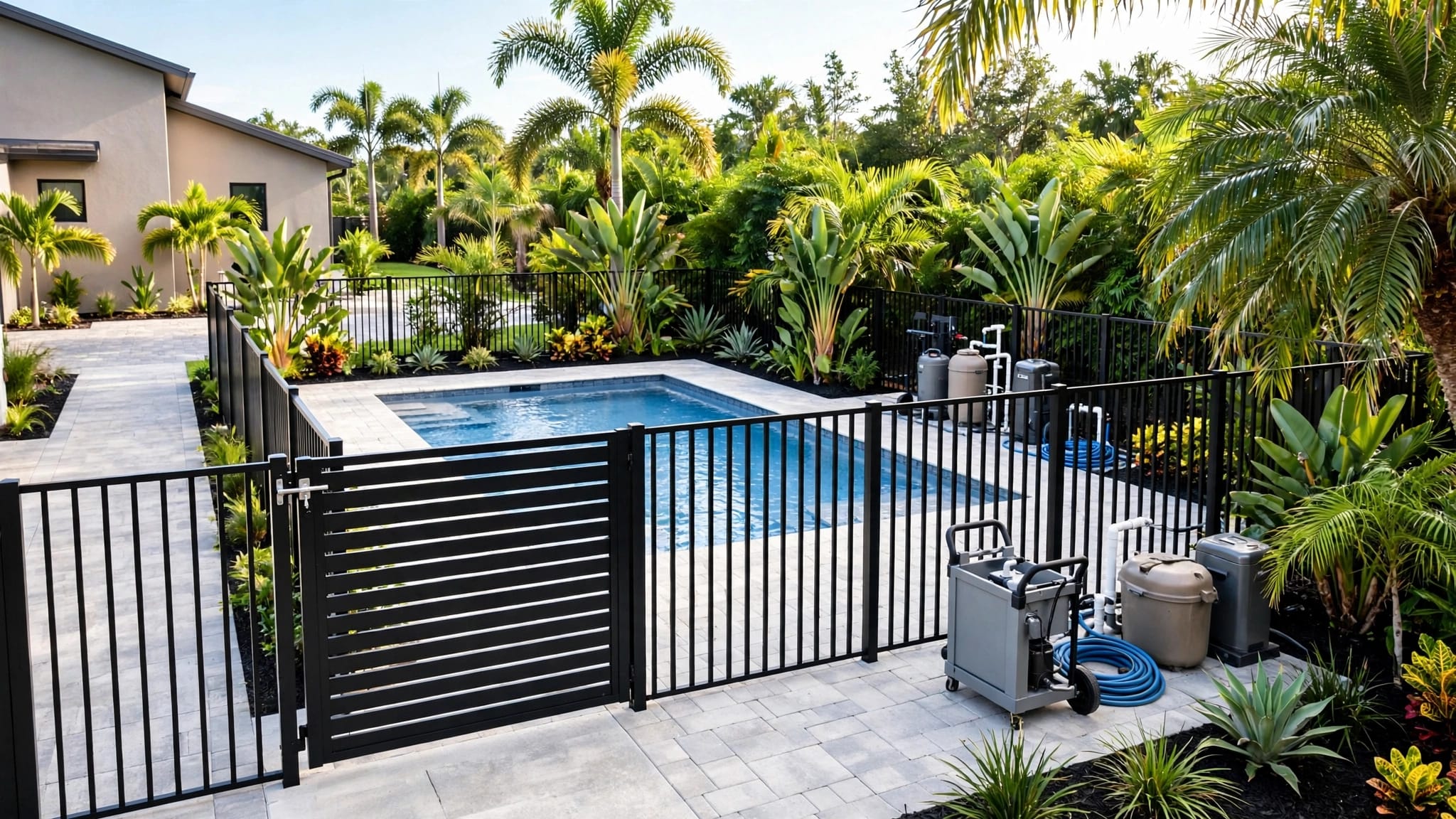
| Aluminum picket | Open rear boundaries, curb appeal, pet containment | Very low impact | Low |
| Vinyl picket or semi-privacy | Softer look, side yards, small pet areas | Low to moderate | Low |
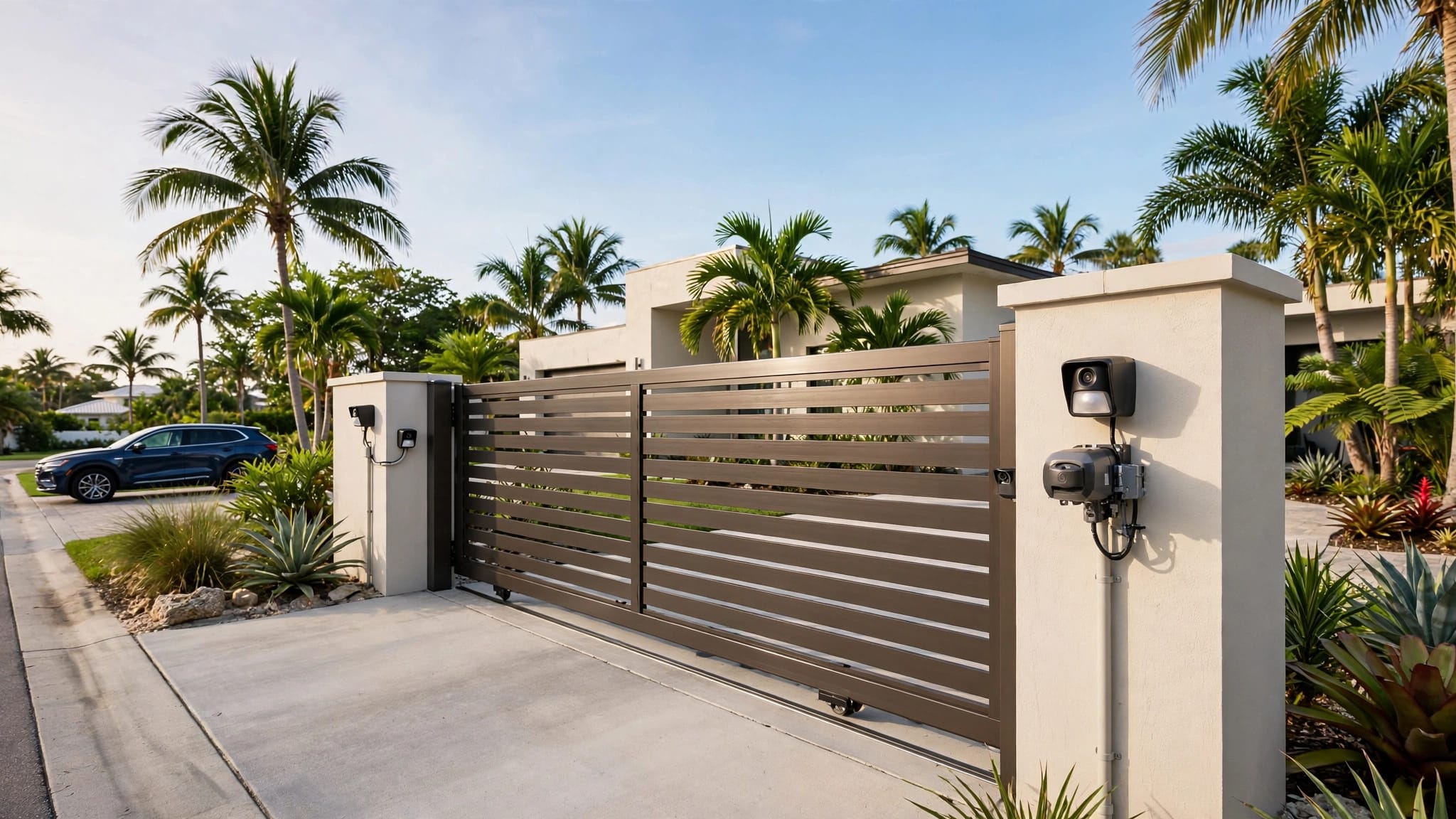
| Louvered fencing | Patio screening with airflow | Moderate | Low to moderate |
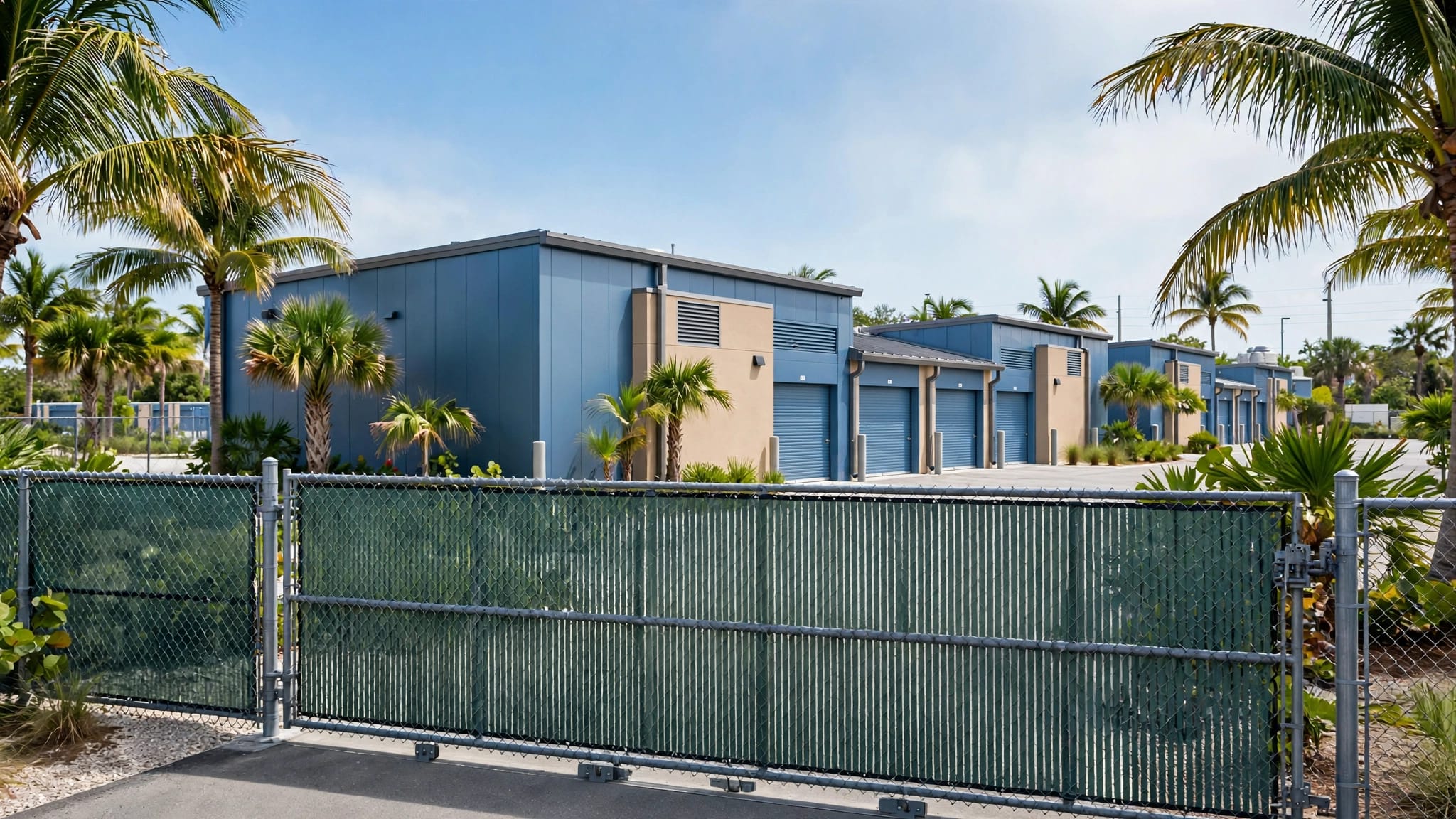
| Vinyl-coated chain link | Budget-friendly pet control | Minimal visual weight | Low |
| Shadowbox wood | Traditional look with some airflow | Moderate | Higher |
Aluminum picket is usually the strongest fit for a golf-course home. It looks refined, leaves the view open, and handles moisture well when the finish is good. Vinyl picket or semi-privacy works when you want a softer edge without closing off the yard. Louvered fencing gives a little more cover, which helps around a patio or seating spot.
Chain link can be practical for a pet area or a less visible side run. It is not the prettiest choice, but it does the job. Wood can look warm and classic, yet it needs more upkeep in Southwest Florida.
The same open-view logic used for weather-resistant fence styles for Cape Coral waterfront yards applies here too. Open designs handle exposure better, and they keep the space from feeling boxed in.
How to choose between view, privacy, and ball protection
No single fence solves every problem on a golf-course lot. The best choice depends on what you care about most.
If the view is the priority, aluminum picket is hard to beat. It gives the yard a finished line without making the fairway feel smaller. If pets are the bigger concern, tighter picket spacing or a vinyl section may make more sense. If the patio sits close to the course, a short louvered run can add comfort without walling off the yard.
A few simple rules help narrow it down:
- Choose aluminum picket when you want the lightest visual impact.
- Choose vinyl picket or semi-privacy when you need a cleaner barrier for pets.
- Choose louvered fencing when you want screening near a seating area.
- Choose chain link when function and budget matter more than style.
Golf balls change the equation, too. A fence can reduce risk, but it won't make the yard ball-proof. Open styles can still help by defining the boundary and protecting children and pets, while solid panels may create more visual blockage and can feel harsh along the fairway.
For that reason, many Cape Coral homeowners use more than one fence idea at once. An open back line keeps the view alive. A short side section gives privacy where it's needed. That mix often looks better than one long wall of panels.
Materials that hold up in Cape Coral weather
Cape Coral weather is rough on weak fence materials. Sun, humidity, salt air, and heavy rain can wear down cheap finishes fast.
Aluminum does well here because it resists rust and keeps a clean shape. Powder-coated finishes hold color better, which matters when the fence stays in full sun. Vinyl is also popular because it's easy to clean and doesn't need paint or stain. For homeowners comparing low-care options, durable vinyl fencing options in Cape Coral are worth a look, especially for side runs or pet sections.
Wood still has a place, but it asks for more attention. Sealing, staining, and hardware checks become part of the plan. Without that care, the fence can warp, fade, or split faster than many owners expect.
Chain link with a vinyl coating can be a smart budget pick, especially for a utility area. The coating helps it look cleaner and gives some extra protection from moisture. Even so, the hardware matters just as much as the mesh. Good posts, coated fasteners, and proper setting depth can make the difference between a fence that lasts and one that leans after a storm season.
HOA rules and build details to check before you start
Golf-course communities often have rules about height, style, and where a fence can sit. Some also limit solid panels or require colors that blend with the neighborhood. Because of that, the review step matters as much as the material choice.
Start with the property line and any easements. Then check the HOA rules, the city requirements, and any golf community standards that apply to the rear boundary. A fence that looks great on paper can still get delayed if the setback is wrong.
Placement matters, too. Fence posts should follow a straight line, and gate swings should not crowd walkways or low landscaping. If a cart path, service strip, or drainage swale sits near the back line, those details need attention before installation begins.
A clean build often comes down to small choices:
- Keep the line level and true.
- Match the fence color to the home and community look.
- Use hardware that stands up to moisture.
- Leave enough room for mowing and cleanup.
Those details matter because a golf-course fence is seen from both sides. It should look finished from the yard and calm from the fairway.
Conclusion
For most Cape Coral homes backing up to a golf course, aluminum picket is the strongest all-around choice. It keeps the view open, looks sharp, and holds up well in Southwest Florida weather.
Vinyl, louvered, and chain-link options still have a place, especially for side yards, pet areas, or short sections that need more cover. The best result usually comes from matching the fence to the part of the yard, not forcing one style to do everything.
A good golf-course fence should feel like part of the setting. It protects the home without stealing the view that makes the lot special.