May 7, 2026
Floodwater changes how a fence behaves. A panel that looks solid on a dry lot can trap water, pull against posts, and fail fast after a storm.
That matters in Cape Coral, where FEMA flood zones, canal edges, salt air, and HOA rules can all point in different directions. The best choice is the one that handles water well, stands up to wind, and still fits your property.
If you're comparing Cape Coral fence options for a flood-prone yard, the details matter more than the brochure. Start with the site, then choose the style.
What flood zones change about fence choice in Cape Coral
Flood zones affect more than finish and style. They change how much water sits around posts, how fast debris hits the fence, and how much wind the fence must carry.
Even the ground under the fence matters. Sandy soil can wash out under heavy rain, while low spots hold moisture around posts. If your lot sits near a canal or drainage ditch, the line between dry and wet can shift after one storm. That is why a fence design should start with the site, not the catalog.
On Cape Coral lots, storm surge, heavy rain, and canal overflow can all push water across the yard. When that happens, a solid fence can trap pressure like a small dam. Erosion around footings can loosen posts, while salty water and humid air speed up corrosion.
That is why the same fence that works inland may struggle near a canal or low spot. Before you pick a material, check your exact flood zone, HOA rules, and permit requirements. The Cape Coral Permitting Services Division and the Lee County residential fence guide are good places to start, because current rules can change by location.
In flood-prone yards, the fence should help water move, not fight it.
If you're unsure how much drainage your yard needs, Cape Coral fence drainage tips for wet yards can help you spot weak points before you order materials.
The fence materials that handle water and wind best
No single fence material wins in every category. Some give you privacy. Others give you airflow and easier upkeep. The right pick depends on how wet, windy, and exposed your lot is.
| Material or style | Flood-zone strengths | Trade-offs | Maintenance |
|---|---|---|---|
| Aluminum picket | Open design lets wind and water pass. Powder coating helps fight rust. | Limited privacy. Can dent if hit hard. | Rinse salt, check posts and fasteners. |
| Vinyl fence | Doesn't rot, easy to clean, good for privacy on calmer sites. | Solid panels can catch wind and hold water if the layout is poor. | Wash panels, inspect brackets, watch for shifting posts. |
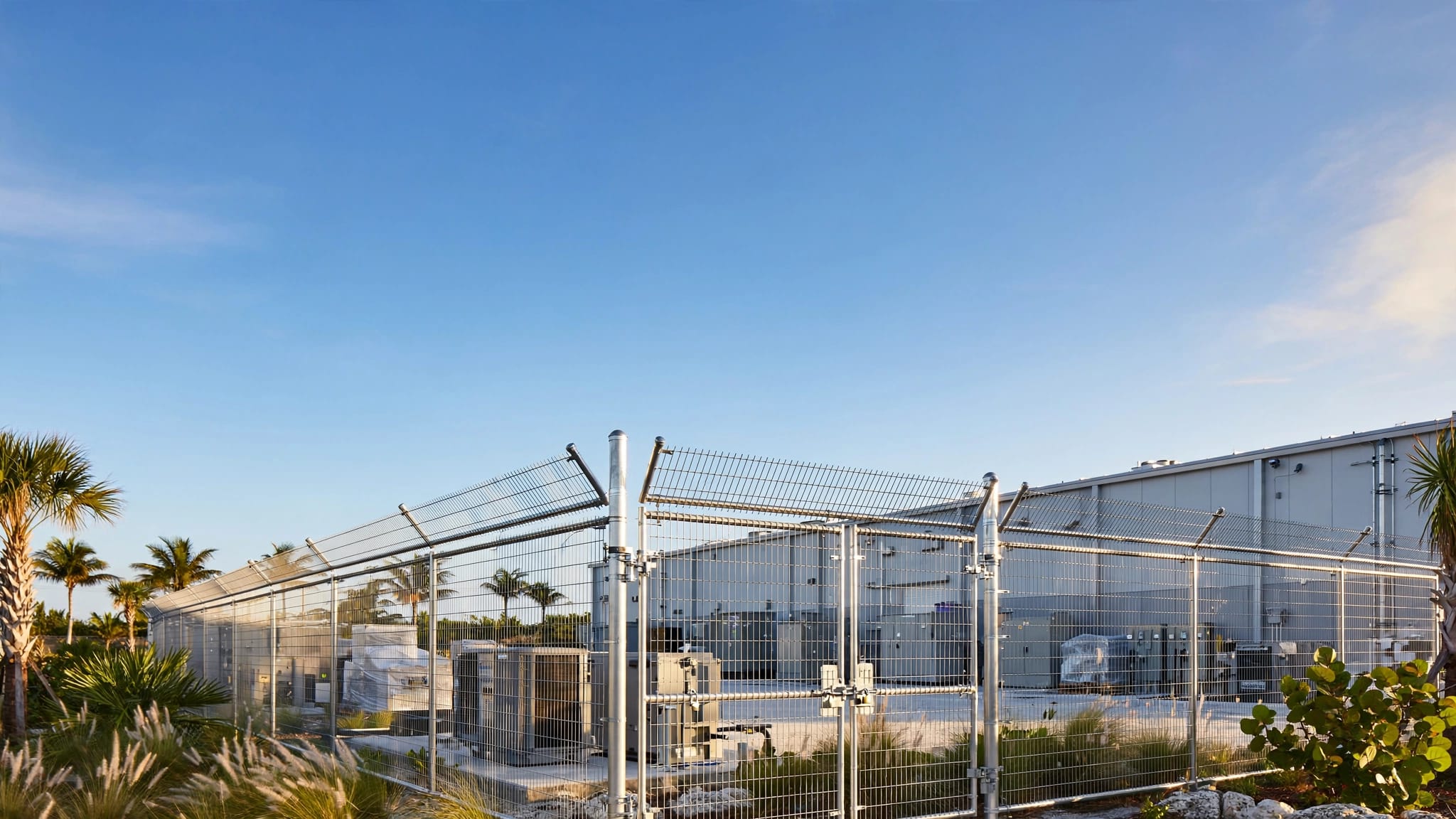
| Vinyl-coated chain link | Drains fast, handles wet ground well, works near canals. | Less privacy unless slats are added. Slats can add wind load. | Rinse coating, tighten hardware, check for rust spots. |
| Wood fence | Warm look, easy to repair in sections, flexible design. | Rot, swelling, termites, and warping are bigger risks. | Seal or stain often, replace damaged boards, keep wood off damp soil. |
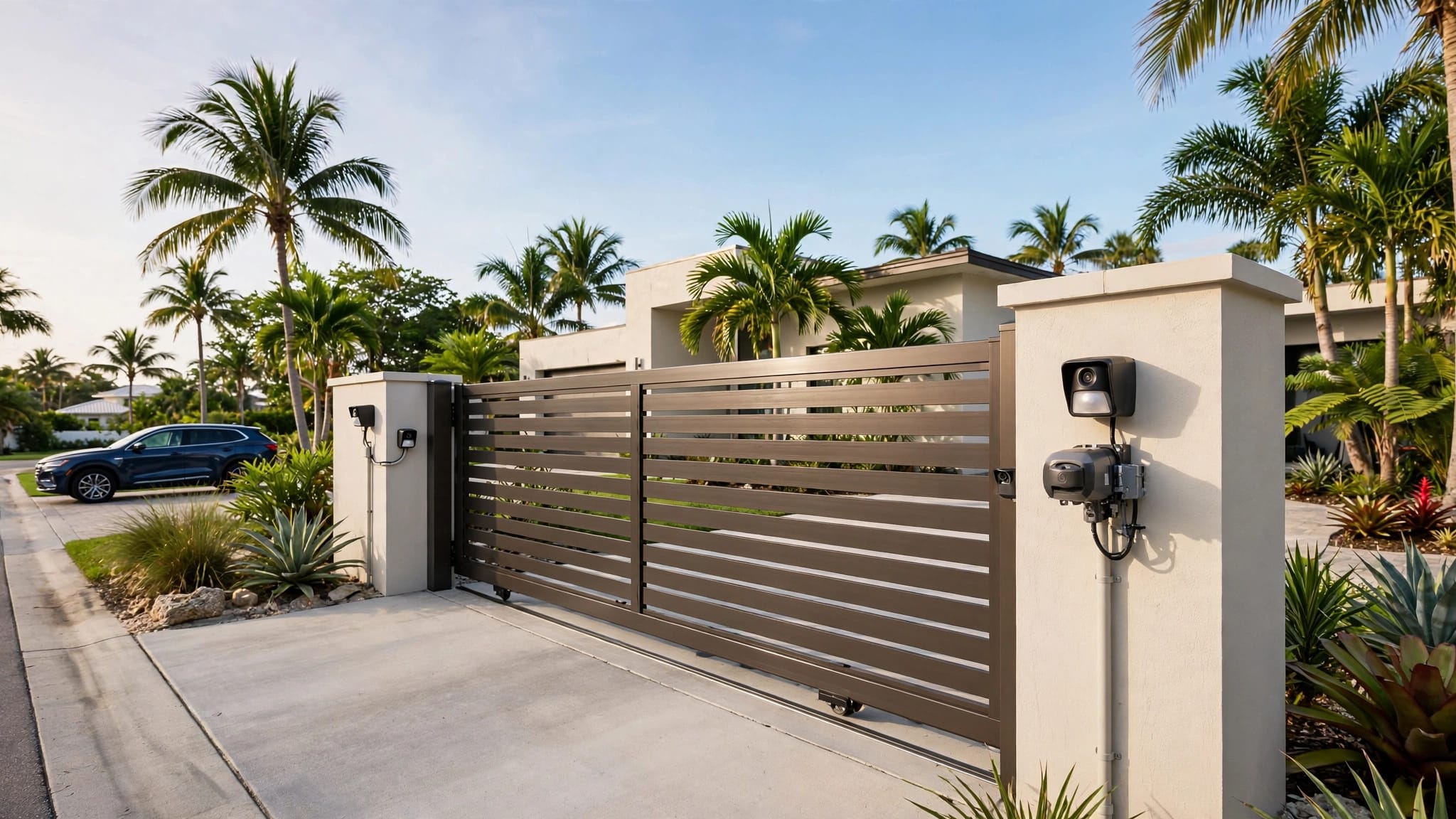
| Louvered privacy style | Offers privacy and better airflow than a solid wall. | More parts mean more cost and more care. | Inspect slats, connectors, and gate hardware after storms. |
For a house that faces a canal or open side yard, aluminum often gives the cleanest balance of strength and airflow. Vinyl is a better privacy pick when the lot drains well and the fence line is set up with enough clearance. Wood can still fit the right home, but it needs the most care and loses the most strength after repeated soaking.
For waterfront properties, best fence styles for canal-front homes in Cape Coral shows how privacy, views, and drainage fit together on the same lot. If your first concern is storm resistance, hurricane-resistant fencing for Cape Coral homes is a helpful companion piece.
Open-design vs solid privacy in flood-prone yards
Open designs are easier on a flood zone lot because they let water move through. Aluminum pickets and chain link reduce pressure during storm surge and heavy rain. They also give wind less to grab.
Solid privacy fences do one job well, they block views. They can also make a yard feel calmer and more enclosed. Yet in a flooded yard, a solid run can act like a barrier, trap debris, and put extra stress on posts. That risk grows near canals, low corners, and drainage paths.
A middle-ground design often works better. Louvered panels, partial privacy screens, and removable sections can give some screening without sealing off the yard. On lots where runoff cuts across the back line, a breakaway or flow-through detail may be worth discussing with the installer before the first post goes in.
Some waterfront properties also face open-mesh expectations near the waterline, so confirm your distance from the canal or drainage feature before you buy materials. The Cape Coral floodplain code is the place to confirm those details.
Maintenance that keeps a fence standing after storms
A good fence starts with the right material, but it lasts because the details are handled well. In Cape Coral, that means deep posts, proper concrete, and hardware that won't rust out in a season.
After a big rain, walk the line and look for leaning posts, exposed footings, standing water, and loose gates. Catching small problems early is cheaper than replacing entire sections later. A quick rinse after salt spray or flooding can also slow corrosion on metal parts.
Wood needs the most care, since moisture, sun, and termites all work on it at once. Vinyl needs less upkeep, but panels and brackets still need a check after high wind. Aluminum and chain link hold up better in wet yards, yet their fasteners and coatings still need attention.
Gate placement matters too. A gate that swings into pooled water or across a slope wears out faster. Latches, hinges, and post caps should be chosen for wet, salty air, not just for looks. Small parts fail first.
A professional installer can place posts for your soil, slope, and flood exposure. That's important in Cape Coral because sandy ground and storm runoff can shift faster than people expect. It also helps to call 811 before digging and keep the fence clear of drainage easements and utility access.
Permits, HOA rules, and local checks before you build
Before you buy a single panel, verify what your property needs. Cape Coral and unincorporated Lee County both expect a permit for residential fence work, and HOA approval may add another layer. The best starting point is the Cape Coral Permitting Services Division or the Lee County residential fence guide, depending on where your lot sits.
Current city guidance usually keeps front-yard fences lower than side and rear fences. That matters on corner lots, where sight lines and placement can get tricky. On waterfront lots, the rear line may need extra open space or a different material choice altogether. Floodplain location, easements, and drainage paths can also affect what works. Confirm those details before you order anything.
A short checklist helps before installation:
- Verify your flood zone and any drainage easement.
- Confirm HOA rules on height, color, and style.
- Mark utility lines and access areas.
- Ask whether the site needs open mesh, a setback, or another flood-friendly detail.
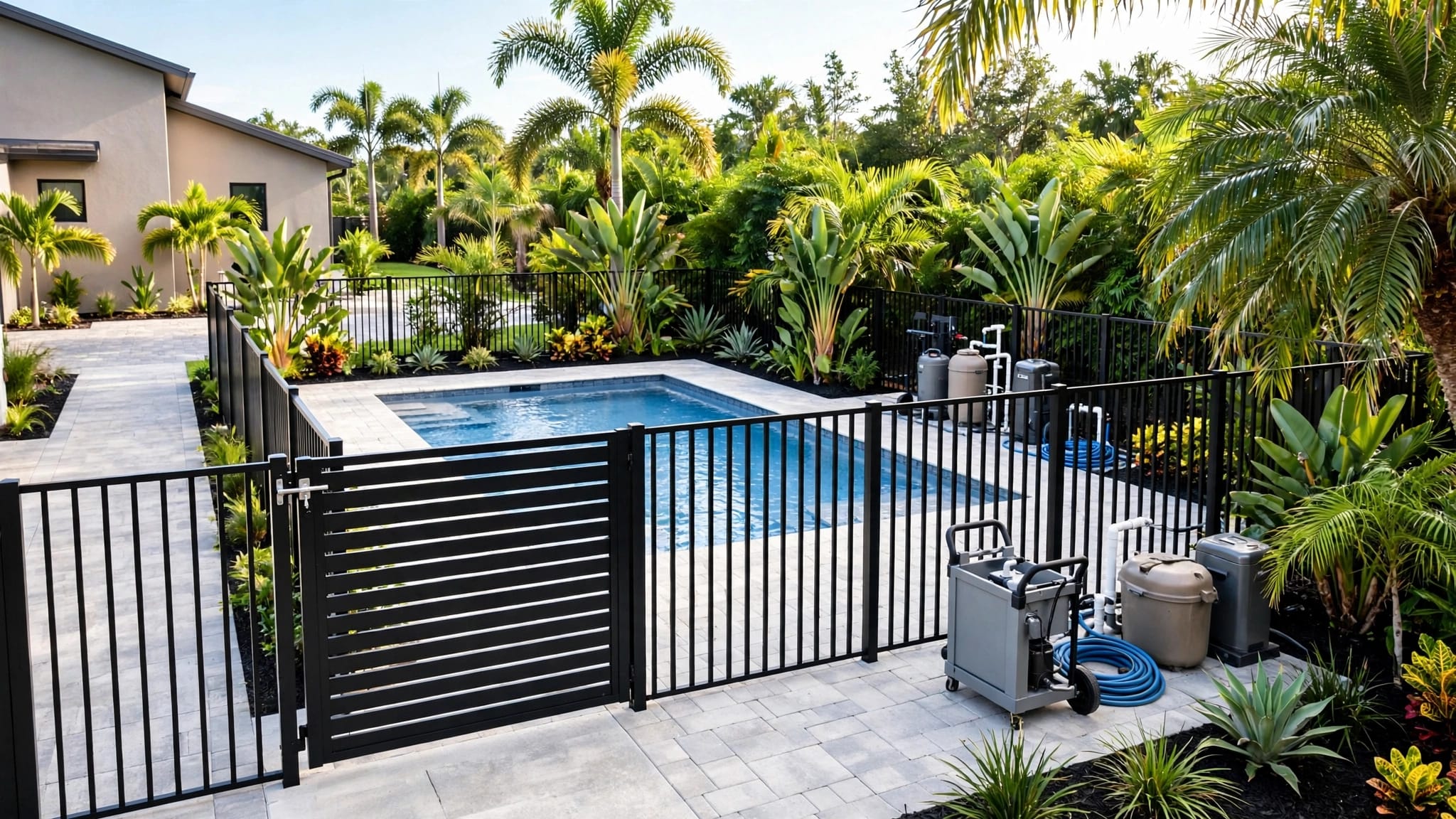
If your fence will also protect a pool, check those rules too. Gate latch height, self-closing hardware, and opening size all matter there.
Conclusion
The best Cape Coral fence options for FEMA flood zones are the ones that let water move, resist corrosion, and stay stable in wind. Aluminum, chain link, and well-planned vinyl or louvered systems usually fit that job better than a solid wall in the wrong spot.
If your lot floods often, start with drainage and local review before style. That one step can save you from a fence that looks good for a month and struggles the first time a summer storm rolls through.