October 21, 2026
Artificial turf can feel much hotter under Florida's midday sun than it looks. To cool artificial turf, focus first on shade, then use a short, targeted rinse when the surface needs relief.
Cooling methods offer temporary comfort, not a temperature guarantee. In Cape Coral and across Southwest Florida, the turf's exposure, infill, drainage and nearby surfaces all affect how comfortable the yard feels. Start by looking at where the sun falls and how your household uses the space.
Key Takeaways
- Shade provides the most lasting relief because it blocks direct sunlight from reaching the turf.
- A quick rinse can cool the surface for a while, but repeated watering uses water without solving the cause of the heat.
- Infill choices may affect comfort, but no option keeps turf cool throughout a sunny Florida afternoon.
- Give pets access to shade and a cooler place to rest. Avoid relying on the turf during the hottest part of the day.
- Good drainage, gentle cleaning and careful planning help protect the turf while managing heat.
Why Artificial Turf Gets Hot in Direct Florida Sun
Artificial fibers and infill absorb sunlight, so turf in an exposed yard can become uncomfortable during bright, hot hours. Nearby walls, patios and pavers can also add reflected heat. A shaded corner may feel more comfortable, even when it has the same turf.
The surface doesn't cool itself through growth and water use as living grass does. A rinse can provide short-lived relief, but the turf will warm again while direct sun continues to hit it. Plan around the hottest part of the day rather than expecting a permanent fix from a hose or a particular infill.
Before changing the yard, watch the sunlight at different times. Note which areas stay exposed, where people and pets spend time, and how water drains after rain. This simple review helps identify whether shade, a different layout or improved drainage should come first.
Add Shade Where People and Pets Use the Yard
Shade blocks sunlight before it reaches the turf, making it a practical choice for a dog run, play area or seating space. Choose a solution that fits the yard and remains safe in local weather.
Consider structures and movable shade
A pergola or properly installed shade structure can cover a regular-use area. A movable umbrella or canopy offers flexibility, though it may need to be secured or put away when weather turns windy. Keep supports out of walkways and avoid placing heavy feet or anchors where they could damage turf or interfere with drainage.
Trees can create broader shade, but account for roots, falling leaves and upkeep. Dense canopy also means more debris to clear. If you are weighing turf against grass in a shaded section, read our guide to how synthetic grass performs in shade.
Use fences and landscape features thoughtfully
A fence may shade part of the yard as the sun moves, but the effect depends on its height, position and orientation. Observe the property before choosing a fence or planting trees, especially if you want to shade a specific run or seating area.
Landscape features can help create more comfortable zones without covering every square foot. We offer landscape design and installation in Cape Coral for homeowners planning a coordinated yard. The main goal is to put shade where it helps most while keeping access and drainage clear.
Rinse Turf for Short-Term Relief
A gentle rinse can reduce the surface's heat temporarily. Use a hose to wet the exposed area that needs relief, then give the water time to drain. The turf will warm again in direct sun, so rinsing works best as an occasional measure before pets or people use the space.
Avoid running a sprinkler for long periods just to cool the yard. Aim water at the area in use rather than saturating the whole lawn. In Florida's heat, water can evaporate quickly, and a rinse won't replace shade during hours of full sun.
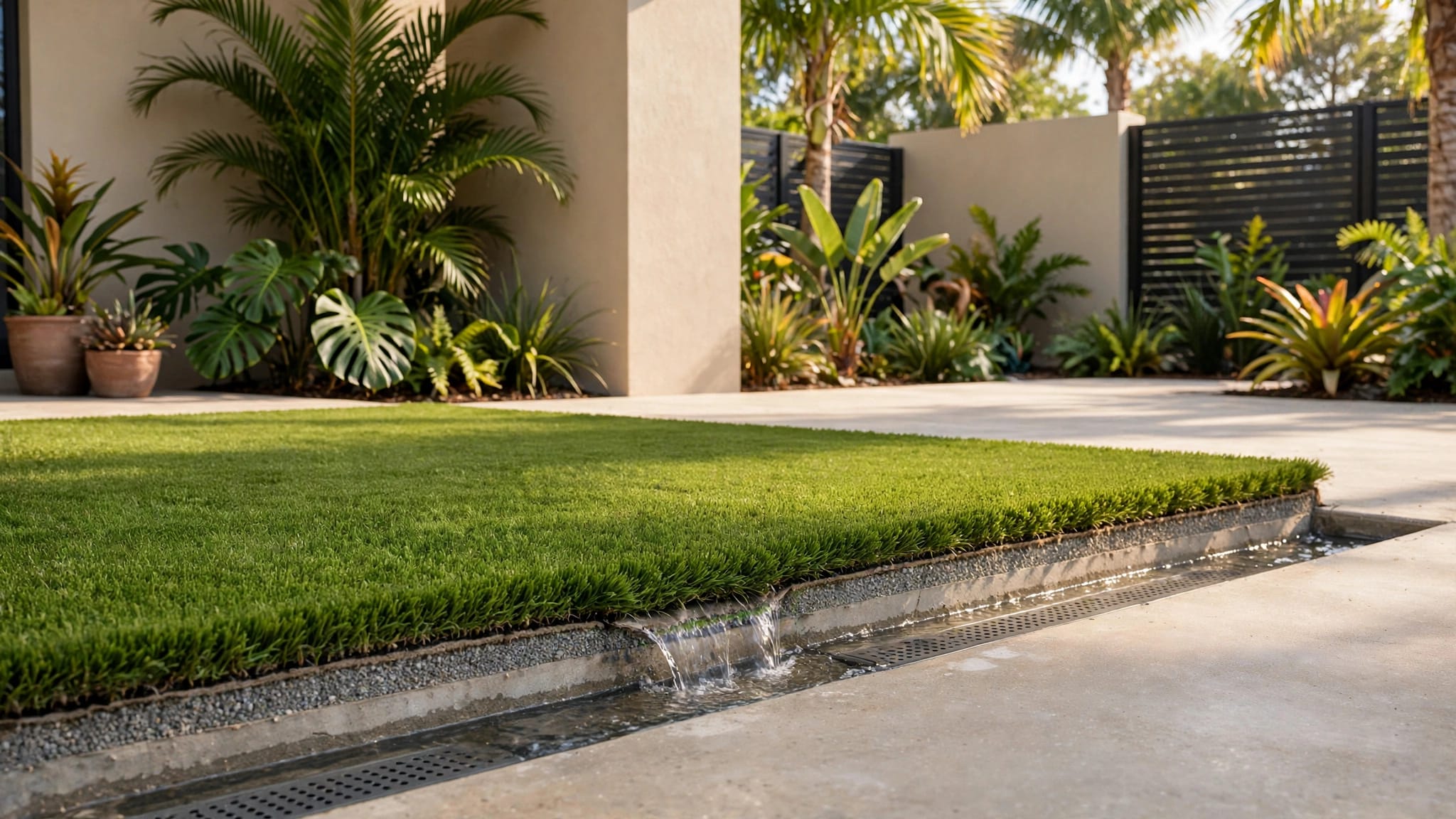
Drainage matters as much as the rinse itself. A properly prepared base and permeable backing help water pass through, while poor grading or a compacted base can leave puddles. If water already collects in the yard after rain, address that problem before adding more water to the surface.
Ask About Infill Without Expecting a Cool Surface
Infill affects how a turf system performs, so discuss it when selecting or replacing turf. Some installations use cooling infill, but the phrase doesn't guarantee a cool surface in strong sun. Results depend on the complete system and conditions in the yard.
Our article on dog-friendly turf and fencing in Cape Coral discusses cooling infill in the context of pet yards. Ask about compatible infill choices and how they fit your turf, drainage and maintenance needs.
Compare samples in the actual yard
If you're choosing new turf, look at product samples where they'll be installed. A showroom or shaded sample can't show how the surface will feel in your exposed yard. Compare fiber and infill options in the conditions where your family or pets will spend time.
A lighter infill may be worth discussing, but color alone doesn't promise a specific cooling result. Treat shade and use patterns as the main comfort tools, with material selection as one part of the plan.
Make the whole system the priority
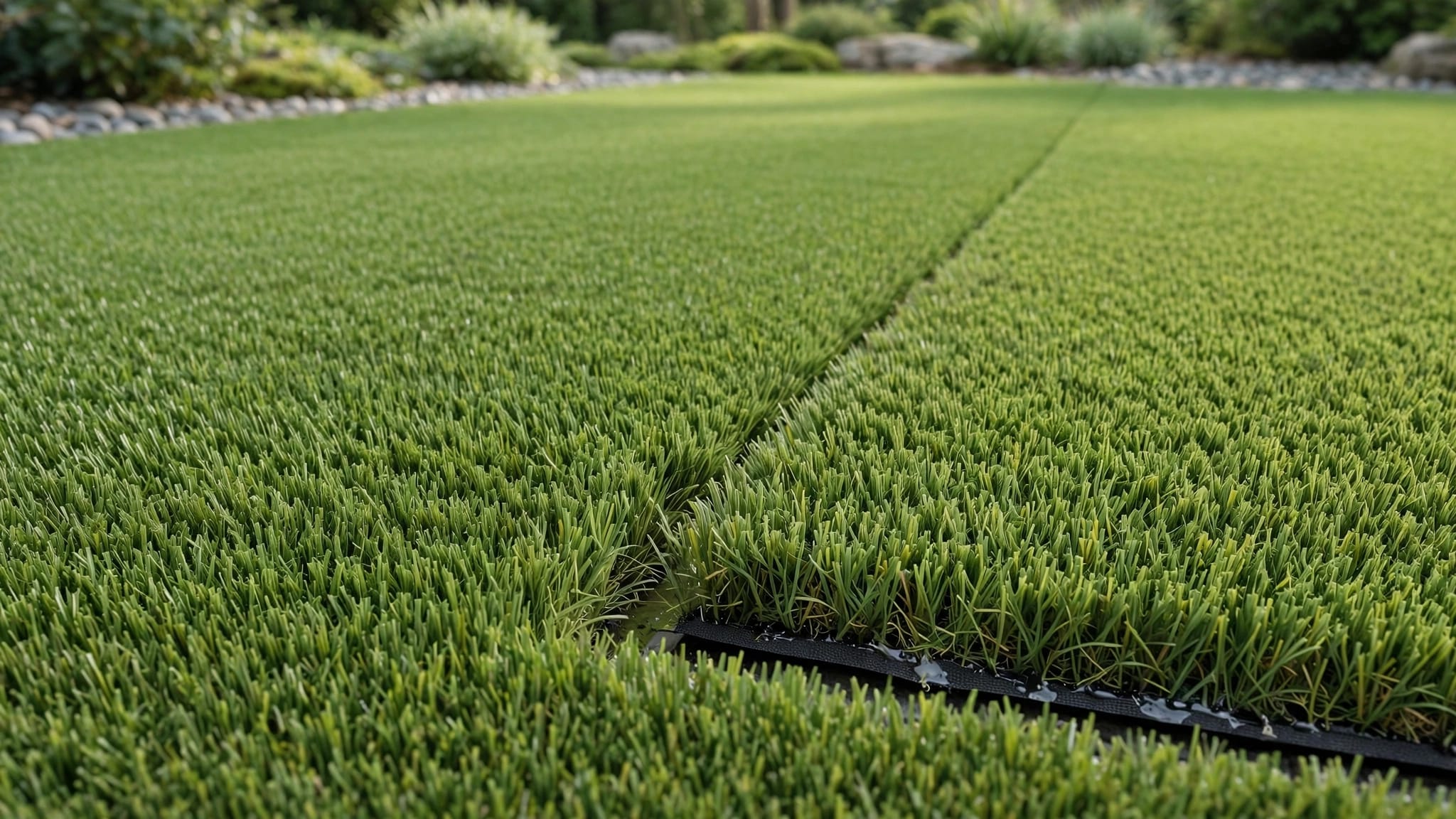
Turf, backing, infill and base work together. A surface that drains poorly may stay wet after rinsing or rain, while loose infill can shift under heavy use. An installation should account for the grade and drainage pattern rather than treating the visible blades as the whole project.
For details about artificial turf installation in Cape Coral, consider how site preparation and the finished layout fit your yard. A well-planned system supports daily use, although it can't prevent the sun from warming exposed turf.
Keep Pets Comfortable on Hot Turf
Dogs may run over turf that feels too hot for their paws, especially when they are excited or focused on play. During the hottest hours, give them a shaded route to a cooler resting place, and keep fresh drinking water available. Bring pets indoors or onto a more comfortable surface when needed.
Don't treat a quick hand test as a reliable measure of paw comfort. Watch your pet's behavior and check for signs of discomfort after outdoor time. If a dog avoids the area, lifts its paws or seems uncomfortable, move it to shade and reduce time on the turf.
Rinsing can help before play, but it isn't lasting protection. Pet areas also need regular cleaning because urine residue and organic debris can contribute to odor. Rinse as needed, remove waste promptly and use a pet-safe cleaner suitable for the turf.
Protect the Turf and Avoid Wasting Water
Use a gentle hose rinse, not a pressure washer on a tight setting. Strong pressure can disturb infill, stress seams or push debris deeper into the backing. For leaves, palm fibers and other loose material, use a blower or a stiff brush carefully rather than aggressive scraping.
Clear debris regularly, especially beneath trees. Organic material can collect between the fibers and make the surface harder to clean. Occasional rinsing helps remove dust and residue, but routine flooding isn't necessary for cooling.
If you see standing water, soft spots or water that drains slowly, investigate the base and grading. Adding more water won't fix a drainage problem. Keep irrigation aimed at plants that need it, and use a targeted rinse only when the turf needs cleaning or short-term relief.
Plan the Yard Around Sun, Drainage and Use
A useful turf layout begins with the way you live in the yard. Place high-use areas where shade is available or can be added. Leave open routes for pets and people, and avoid creating a narrow hot corridor between a fence and a wall.
Consider how trees, fences, patios and roof runoff affect the area. Tree roots can complicate preparation, while a new fence can change the shade pattern along a property line. Note where water flows during heavy rain so the finished base connects with the yard's drainage.
For homeowners comparing improvements, Royal Fence provides artificial turf installation in Cape Coral as part of its services in Southwest Florida. Discuss shade, drainage and how you use the space as part of planning, rather than treating cooling as a last-minute add-on.
Frequently Asked Questions
Does watering artificial turf keep it cool all day?
No. A rinse can provide temporary relief, but direct sun will warm the surface again. Shade offers more lasting protection during the hours when the turf receives strong sunlight.
What is the best way to cool artificial turf for dogs?
Provide shade over the dog's regular resting or play area, and keep a cooler place available during the hottest part of the day. A brief rinse may help before use, but it doesn't remove the need to limit exposure when the surface is uncomfortable.
Can cooling infill stop turf from getting hot?
Cooling infill is an option to discuss when selecting a turf system. It shouldn't be treated as a promise that turf will stay cool in direct Florida sun. Shade and thoughtful placement remain important.
Will a privacy fence keep the whole yard shaded?
No. A fence may shade a portion of the yard as the sun moves, but the coverage depends on its location, height and the time of day. Check the yard's sun pattern before relying on a fence for shade.
Make Comfort Part of the Yard Plan
Direct Florida sun will warm exposed artificial turf, so set realistic expectations. Use shade for lasting relief, reserve rinsing for brief comfort or cleaning, and keep pets' needs and drainage in view.
A comfortable turf yard comes from matching the surface and layout to the way you use the space. Plan shade where it matters, and the whole yard will work better through the hottest hours.