November 23, 2026
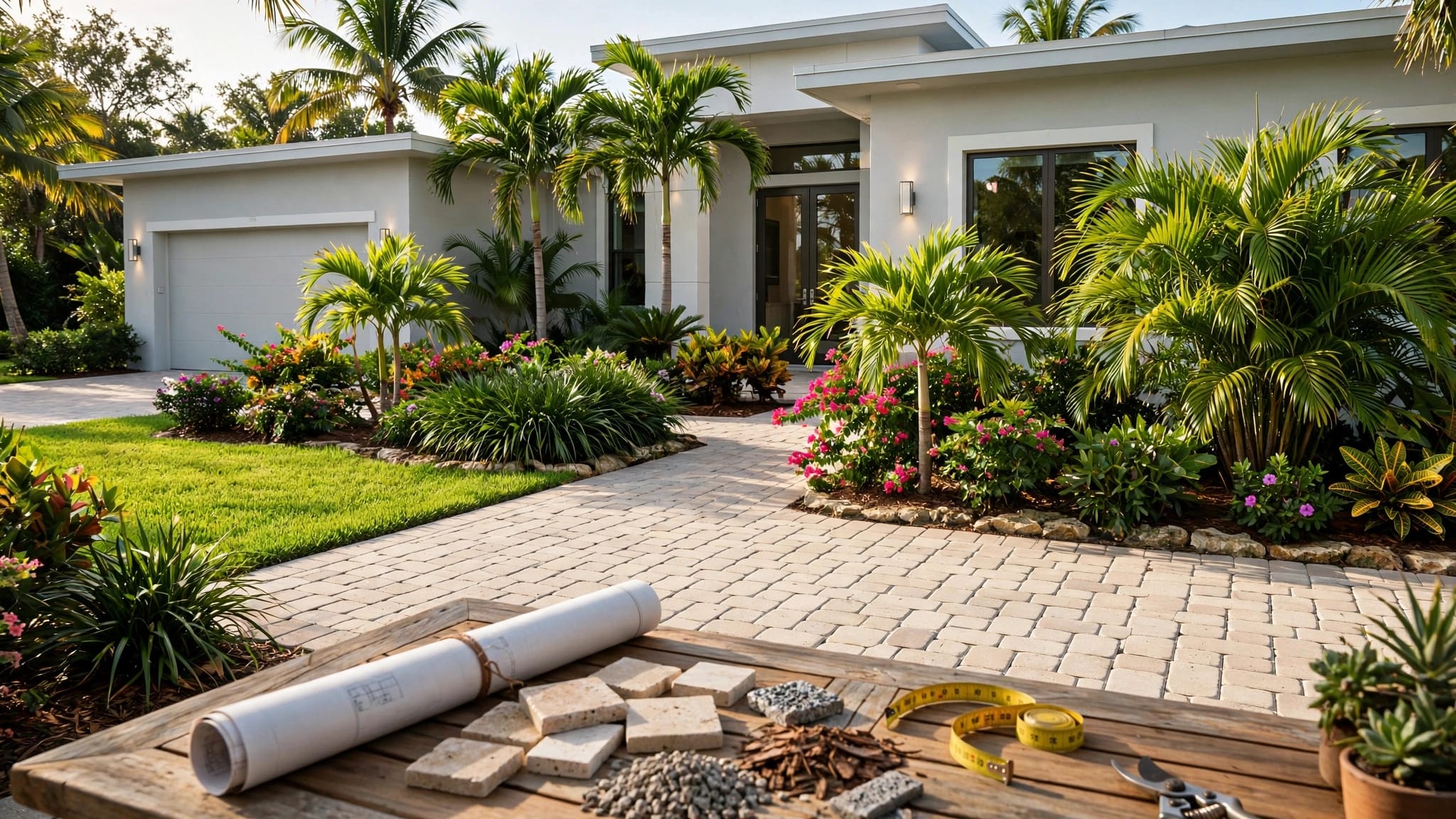
Cape Coral landscape design for new construction homes should start before sod, planting beds, and fencing go in. A coordinated layout protects drainage, keeps irrigation clear of fence posts, and reserves space for how you'll use the yard.
A newly built home gives you room to plan, but construction access and underground utilities can complicate the work. Start with the site plan so each installation supports the next.
Key Takeaways
- Plan fencing, drainage, irrigation, and outdoor living areas together before finishing the yard.
- Choose plants for Southwest Florida's sun, sandy soil, and seasonal weather, with enough room for mature growth.
- Schedule disruptive work before final planting, then watch how water and daily traffic move through the yard after move-in.
Start Cape Coral Landscape Design With One Site Plan
Your landscape plan needs more than bed outlines and plant locations. It should show how the house, property boundaries, utilities, and outdoor features fit together.
Map the features that control the layout
Begin with the property survey and construction site plan. Mark the driveway, doors, air-conditioning equipment, utility boxes, drainage features, and proposed fence line. Then add gates, walkways, patio edges, and planting areas.
Keep utility and equipment access visible on the drawing. A shrub bed may look attractive beside mechanical equipment but become a maintenance obstacle as plants grow.
Also identify any future pool or patio expansion. Reserving access now can prevent finished landscaping from becoming the route for equipment later.
Give every installer the same drawing
The builder, fence installer, irrigation crew, and landscape installer should work from the same layout. Separate sketches can leave a gate facing a planting bed or a fence footing competing with patio edging.
Our guidance on coordinating fence footings with pavers explains why those connections belong in the initial plan.
Before work begins, walk the proposed routes. Follow the path between the garage, backyard gate, and patio to spot awkward turns that aren't obvious on paper.
Protect Drainage Before Adding Landscape Features
Cape Coral yards need to handle heavy seasonal rain. New landscaping should preserve the property's intended drainage routes rather than cover them with decorative features.
Keep swales and inlets open
A shallow depression along a property edge may be a drainage swale. Filling it to create a level planting bed can interrupt water movement.
Show swales, drainage inlets, downspout outlets, and low areas on the landscape drawing. Keep mulch, rock, stored materials, and fence details out of the places that collect or carry runoff.
Drainage structures also need maintenance access. Plantings and gates should allow someone to reach them without removing established shrubs or dismantling the fence.
Coordinate patio edges and finished grades
Patios, lawns, and planting beds meet at different surfaces, but their finished elevations must work together. A raised bed or patio edge can trap water even when each feature looks well built.
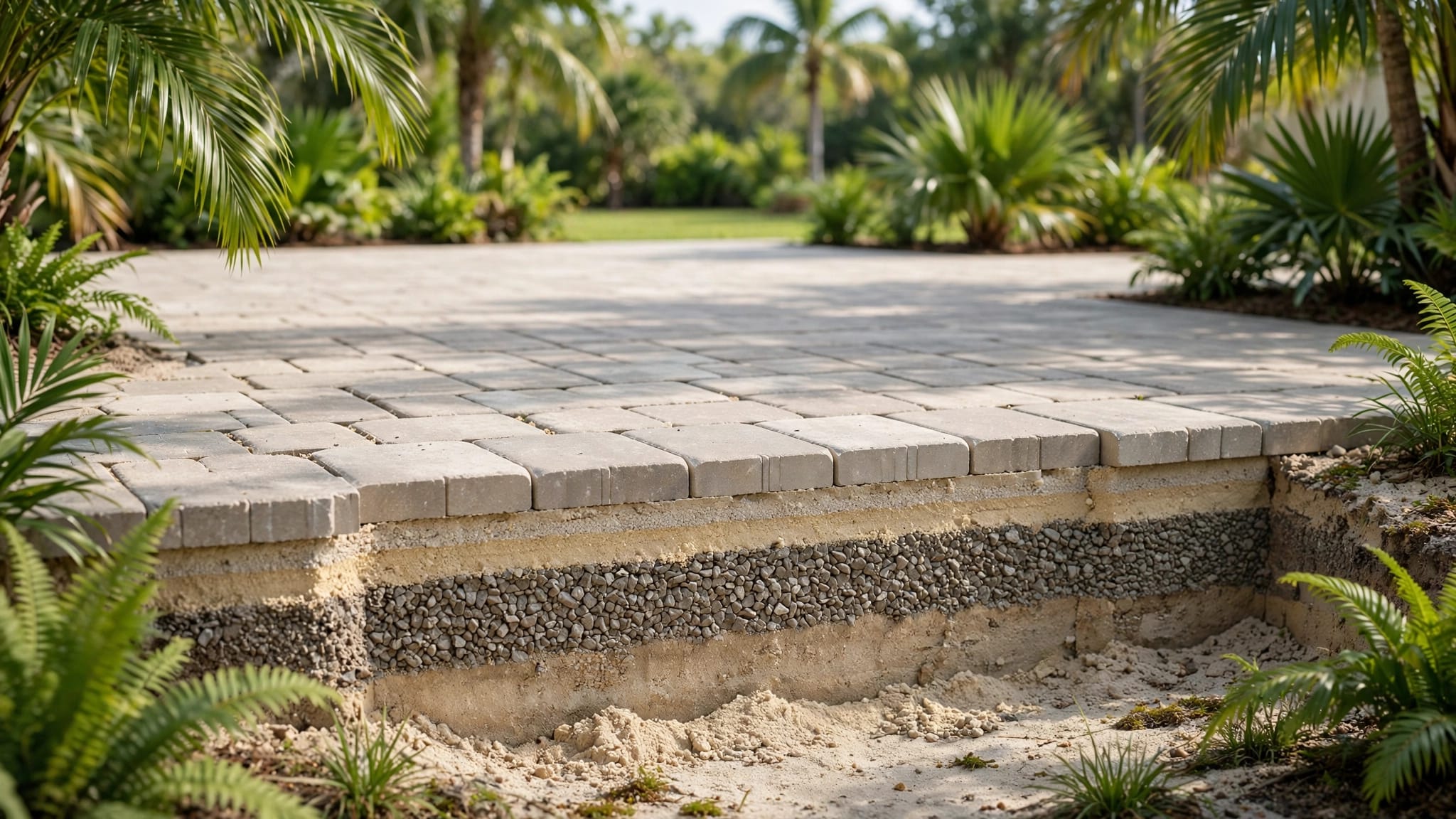
Standard sand-jointed pavers don't automatically function as permeable pavement. Water still needs an appropriate route through the overall design.
A fence line can follow the property boundary while still interfering with drainage. Post placement, surrounding soil, and access openings all matter.
Address drainage concerns with the builder or drainage professional before covering the ground. Decorative rock won't correct an unsuitable slope or discharge path.
Plan Irrigation Around Fences and Planting Beds
Irrigation works best when its layout follows the finished landscape. Installing it independently can leave sprinklers blocked by shrubs or pipes crossing planned post locations.
Separate areas with different watering needs
Group plants with similar moisture needs, and distinguish planting beds from lawn areas in the irrigation design. Otherwise, one area may receive excess water while another stays too dry.
The plan should also account for sun exposure. An open front lawn and a shaded side bed can behave differently even when they share the same soil.
Direct spray away from fence panels, gates, patios, and equipment. Repeated overspray wastes water and can leave stains on surrounding materials. Keep irrigation controls and valves reachable after planting.
Record underground work before it's covered
Photograph visible irrigation trenches and keep an as-built sketch showing pipe routes, valves, and other buried components. Those records help when fence posts, replacement plants, or future improvements require digging.
Map private irrigation separately from utility markings. A marked utility route doesn't explain where every landscape pipe runs.
After fence and landscape installation, operate the irrigation system and look for damaged heads, leaks, and blocked spray patterns. Construction traffic can disturb a system that worked before the yard was finished.
Choose Plantings for Southwest Florida Conditions
New-build landscapes often begin with exposed ground and little shade. Choose plants for those conditions instead of assuming the yard will resemble a sheltered, established garden.
Match plants to exposure and soil
Cape Coral planting areas can face strong sun, sandy soil, humidity, and dry spells. Some properties also experience salt exposure through coastal winds or irrigation water.
Select plants according to the conditions in each bed. A street-facing area beside pavement may need different choices than a protected corner near the house.
Use functional categories to organize the selection: shade trees where space allows, screening shrubs where privacy matters, and lower plants beside paths. Flower color can refine the choices after the site requirements are met.
Space for growth, not installation day
Use mature size to place trees, palms, and shrubs. Small nursery plants can leave tempting gaps, but filling every opening creates crowding later.
Keep growth clear of gate swings, equipment access, windows, and walking routes. Along fences, leave room for plant care and fence maintenance.
Layered planting with openings between larger shrubs and palms can soften a boundary without creating one continuous mass. Mulch can cover open soil while plants establish, but keep it away from trunks, stems, and fence bases.
Balance Curb Appeal With Usable Outdoor Space
A new home's landscape should make the entrance welcoming while leaving the backyard useful. Filling every available edge with plants can limit both goals.
Keep the front yard open and readable
Use planting beds to frame the entry rather than hide it. Lower planting near walkways helps visitors see the route to the door, while appropriately placed larger plants give the house visual balance.
Consider the driveway when shaping beds. Plant growth shouldn't narrow the space people use when opening car doors or carrying groceries.
On corner properties, visibility also matters. Keep street-facing landscape decisions connected to the broader site layout rather than treating them as isolated decorative choices.
Design the backyard around everyday movement
Decide where you'll sit, let pets out, store bins, and move maintenance equipment. Then place screening and planting around those activities.
A private seating area doesn't always need dense planting along every boundary. Focus screening on the views that affect that space.
Our fence and landscape combinations show how those elements can work together. For tighter lots, small-backyard fence and paver layouts offer another useful starting point.
Reserve lawn where it supports play, pets, or open space. Use beds and paving where they better suit the activity.
Coordinate Installation Before and After Move-In
The right schedule depends on construction access and the features included. However, finishing delicate landscape work before disruptive installations increases the chance of damage.
Before move-in, settle the layout and sequence
Give the builder and installers the shared plan before final yard work begins. Identify which contractor needs equipment access and which installations could damage another crew's work.
Schedule fence post work before finished sod and planting wherever the construction sequence allows. Our guide to fence planning before sod installation covers that coordination.
Work out post locations and irrigation routes together. Then coordinate hardscape construction, grade restoration, irrigation adjustments, and final planting. Avoid committing to a planting date while heavy equipment still needs the same access route.
After move-in, assess performance before expanding
Walk the yard during or after rainfall when it's safe. Look for standing water, washed mulch, exposed soil, and runoff collecting beside the house or fence. Bring those observations to the builder or appropriate installer before adding more material.
Also notice how you use the outdoor space. A planned seating area may receive more afternoon sun than expected, or the shortest route to the gate may cross a new bed.
Resolve those practical issues before extending the planting. Finally, keep plants, soil, and stored items from gradually blocking drainage features or service access.
Questions About New-Construction Landscaping
Should the fence go in before landscaping?
Fence post installation should generally precede finished sod and planting when access and the construction schedule allow. The fence and irrigation layouts still need coordination before digging. That reduces the risk of damaged pipes and avoids sending fence equipment through newly completed beds.
Can landscaping be installed in phases?
Yes. Complete the shared layout first, then prioritize drainage, underground coordination, and installations that require equipment. Decorative planting can follow later. Phasing works best when the early work preserves space and access for everything still planned, rather than treating each phase as a separate design.
Does the entire yard need to be lawn?
No. Lawn makes sense where you want usable open ground, but it doesn't need to occupy every narrow strip or corner. Planting beds, paths, and patio areas can better support other uses. Choose surfaces according to drainage, sunlight, maintenance needs, and how you'll use each area.
Build the Yard Around One Coordinated Plan
A successful new-construction landscape begins with one coordinated plan for drainage, irrigation, fencing, and outdoor use. Planting choices work better once those relationships are settled.
At Royal Fence, we provide landscape design and installation using plants and materials suited to Florida's climate. Bring your site plan and outdoor priorities to a free estimate so the yard's layout can take shape before the finishing work begins.