June 14, 2026
A fence in a Cape Coral swale can work in some cases, but it can also create a fast headache if it blocks drainage or lands in the wrong place. That low strip near the street is not empty space. It often plays a real role in stormwater flow and city access.
If you own a lot with a swale, the answer depends on more than fence style. Property lines, drainage easements, right-of-way limits, canal frontage, and permit rules all matter. A Cape Coral swale fence has to fit the lot, not the other way around.
Why a Cape Coral swale changes the fence plan
A swale is the shallow drainage area along many Cape Coral streets. Rainwater moves through it after heavy storms, so it cannot be treated like a normal part of the yard.
That matters because a fence can do three things wrong very quickly. It can block water flow, it can sit where the city needs access, or it can end up outside your legal build area. Even if the fence looks neat from the street, the location may still be a problem.
The safest mindset is simple. Treat the swale as part of the drainage system until the city says otherwise. That is why a quick visual guess is not enough. A surveyed lot plan gives you a better picture of where the usable yard ends and where the drainage area begins.
If a fence traps water or cuts off access, the city may reject it, even if it looks fine from your side of the lot.
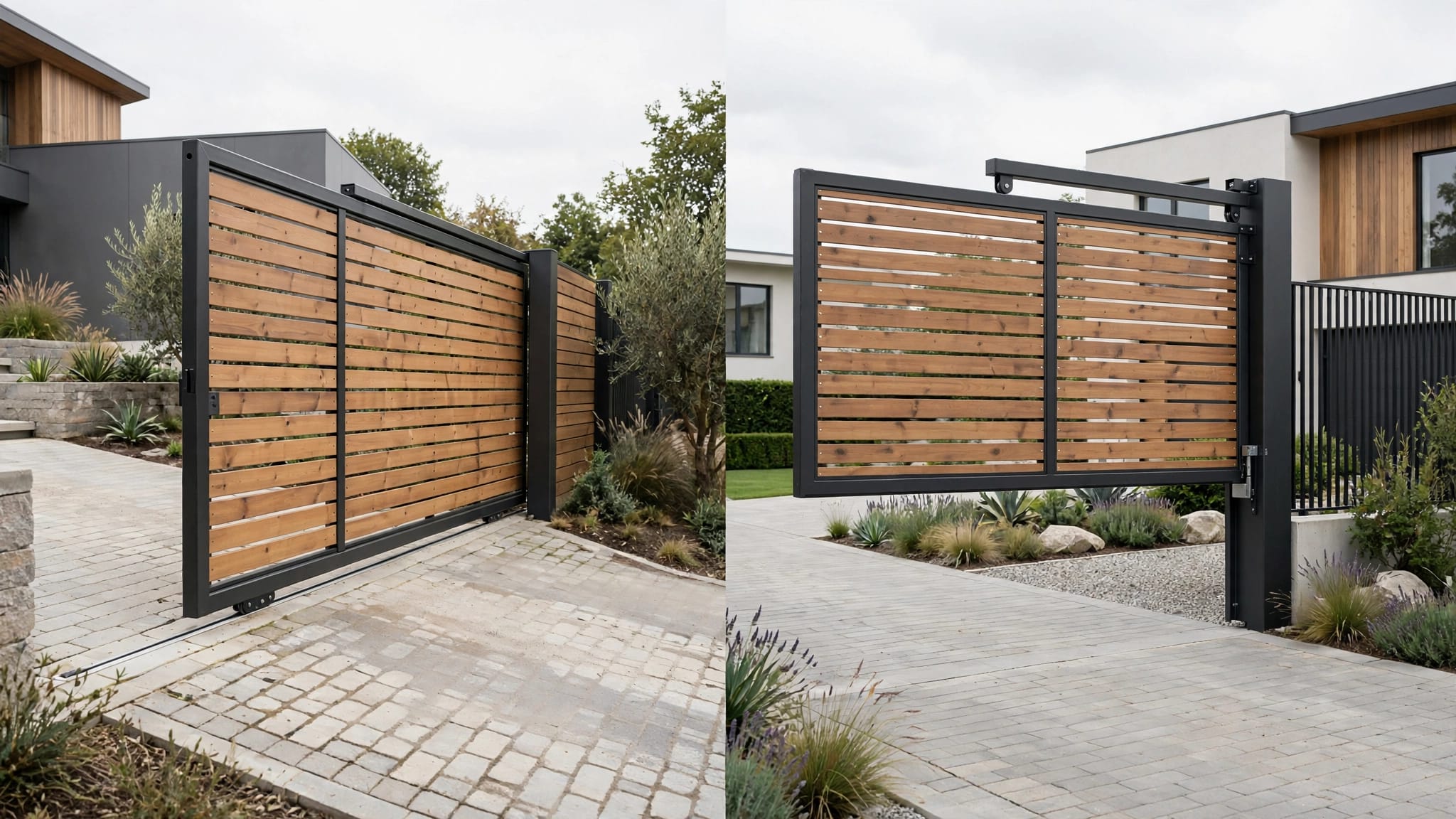
This is where a local fence contractor can help. When you are comparing materials, residential fencing services can show how vinyl, aluminum, wood, and chain link fit different lot layouts. The right style still has to clear the swale rules.
When the city may allow a fence there
Cape Coral does not treat every lot the same. A fence may be possible if it stays on your side of the property line and outside any drainage easement. It also needs to respect front-yard setbacks and any city access area tied to the swale.
In many cases, the fence must not sit across the low drainage strip at all. That is the part many homeowners miss. They think the swale is "their grass," but city rules can treat it as a drainage feature with limits on what you can build there.
Height rules matter too. Residential fences are commonly limited to 6 feet, but waterfront lots and certain lot types can have added limits. A fence that fits one home may fail on another just a few doors away.
Use this quick checklist before you assume the project is allowed:
- The fence stays inside your property line.
- The fence does not block the swale's drainage path.
- No drainage easement is crossed.
- Front-yard and corner-lot setbacks are checked.
- Permit requirements are confirmed before work starts.
That list sounds basic, but each item can change the whole plan. A fence in the wrong spot can trigger a redo, and that gets expensive fast.
Lot type, easements, and canal frontage can change everything
Lot shape often decides the answer. Corner lots can have different front-yard rules, so the fence line may need to sit farther back than you expect. Interior lots are usually simpler, but they still need a clean property-line check.
Canal-front homes need extra care. Water access, visibility, and lot setbacks can affect where a fence can go. A fence that works on a standard neighborhood lot may not work along a waterfront edge. The same goes for homes with utility or drainage easements near the swale.
The lesson is plain. You cannot judge the site by the grass alone. You need the survey, the setback lines, and the permit details in front of you. If any of those points conflict, the city's rule wins.
For homeowners choosing a design, the fence type matters after the location is settled. Aluminum can feel lighter on a frontage lot. Vinyl can offer privacy without much upkeep. Wood gives a warmer look, while chain link is often chosen for budget and utility. Still, the placement rules come first, because the best-looking fence is useless if it sits in the wrong zone.
What to check before installation starts
Before you set posts, get the basics lined up. A few hours of checking can save you from tearing out a fence later.
- Confirm the property line with a current survey or site plan. A guess is not enough.
- Ask the City of Cape Coral about the permit path for your lot. Requirements can change.
- Verify whether the swale area is part of a drainage easement.
- Check setbacks for front yards, side yards, and corner lots.
- Look at canal frontage or other special conditions if your lot has them.
If the project moves ahead, the install process should still be planned carefully. What to expect on fence install day gives you a good sense of the layout and post-setting steps that happen before the fence goes up.
The goal is not just getting a fence installed. The goal is getting one that stays where it belongs, clears drainage concerns, and passes the permit review without surprises.
Conclusion
Yes, you may be able to put a fence in a Cape Coral swale, but the answer depends on the lot. The city will look at drainage, access, setbacks, easements, and permit requirements before a fence makes sense.
If you remember one thing, make it this: the swale is part of the site plan , not just extra yard space. Check the line, check the easement, and confirm the current city rules before any digging starts.