April 16, 2026
Your courtyard home in Cape Coral offers a cozy outdoor retreat. Neighbors peek close, though. Heat builds fast in tight spaces, and salt air from nearby canals wears down weak materials. You need Cape Coral fence styles that boost privacy, fight humidity, and handle wind without crowding the yard.
Pick the wrong fence, and it traps moisture or leans after a storm. Smart choices keep air flowing and views blocked. Local rules cap heights at six feet in backyards, so options fit snug patios and pools. Let's look at styles that work best here.
Courtyard Challenges Shape Fence Picks
Courtyards squeeze fences into narrow side yards and around pools. Privacy matters because homes sit tight together. Yet wind from open canals pushes hard, and humidity breeds mold on poor picks.
Salt spray rusts metal fast near water. Rain pools in sandy soil, so posts need deep footings. Pools demand tight gaps under four inches and self-latching gates. These factors rule out bulky wood.
Aluminum and vinyl lead because they resist corrosion and fade. They also vent breezes to cool hot patios. For example, solid panels block peeks from two-story neighbors but need layers for full cover. Check privacy fence ideas for Cape Coral yards facing two-story neighbors for layered tips.
Balance looks with strength. Low upkeep saves time in our steamy climate.
Louvered Fences Excel in Heat and Wind
Louvered fences tilt slats to block views while letting air pass. They suit courtyards because gaps prevent sauna-like buildup near lanais. Fixed angles at 45 degrees shut down neighbor sightlines from most spots.
Wind slips through, so panels stay upright in gusts. Aluminum louvers resist salt best; they won't warp like vinyl in direct spray. Pros include privacy without darkness and easy hosing for cleanup. Cons? They cost more upfront, around $35 to $50 per foot.
In tight spaces, pair them with pool barriers. They meet four-inch gap rules if spaced right. Humidity stays low, unlike solid walls that trap steam. See the Cape Coral louvered fence guide for wind and privacy for angle picks.
Homeowners love them for patios. Breezes cool seats, and upkeep drops to yearly rinses.
Aluminum Picket Fits Open Courtyards
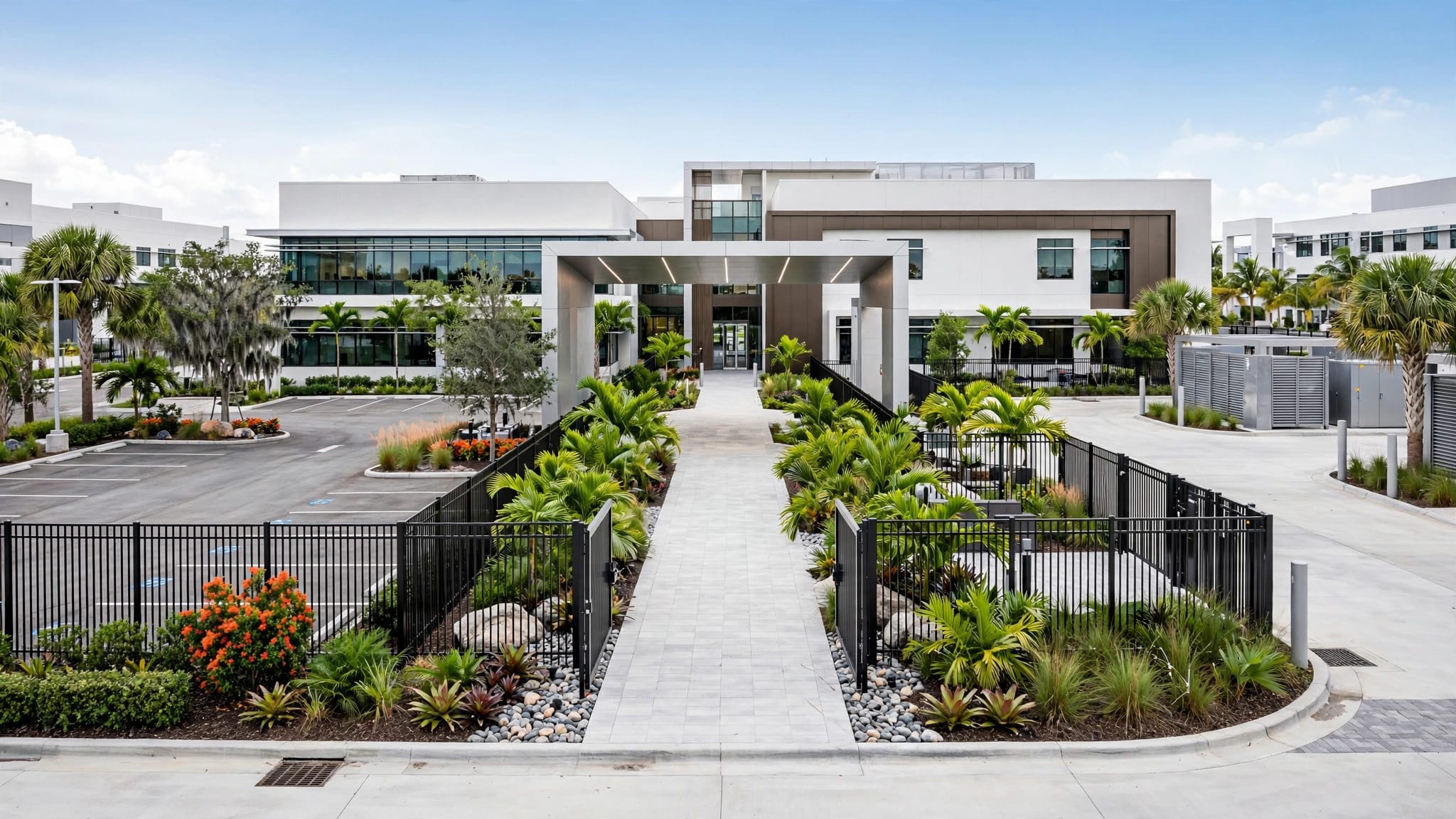
Aluminum picket fences use vertical bars for a light feel in small yards. Tight spacing under four inches keeps kids and pets in, perfect near pools. Powder-coated finishes fight salt air and sun fade.
They handle 150 mph winds better than solid types because gusts flow through. Privacy comes from slim gaps that block straight views but allow light. Pros: low cost at $25 to $40 per foot, no rust, and modern curb appeal. Drawbacks include less full screening; add fabric inserts for extra cover.
Courtyards gain openness without lost safety. Vertical bars deter climbs, unlike slats. Install deep posts in sand to fight shifts from rain. They blend with pool cages too.
Choose black or bronze to match local homes. Maintenance means quick wipes after storms.
Vinyl Privacy Panels for Full Screening
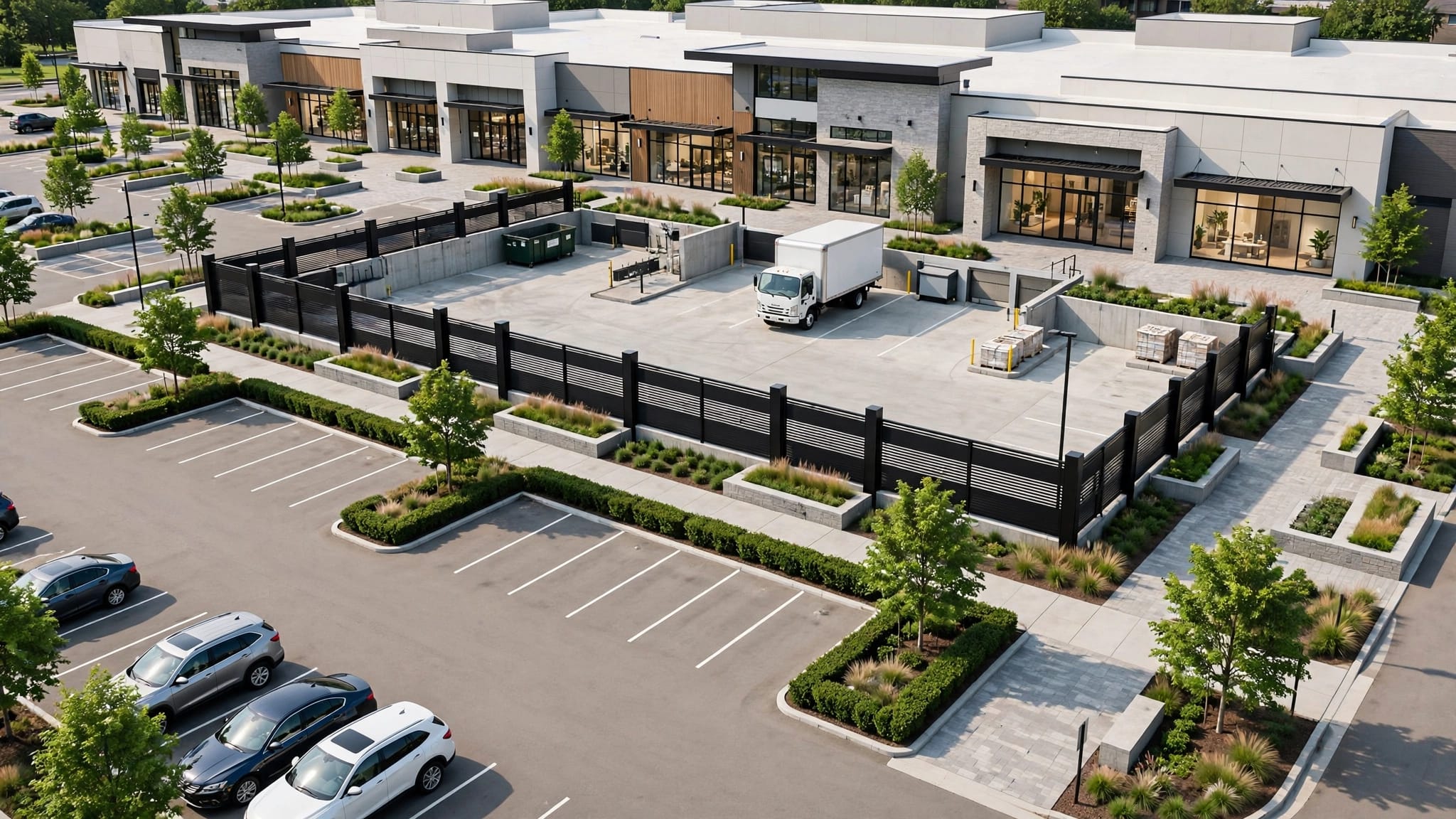
Vinyl privacy fences deliver solid walls up to six feet. They hide grills and loungers from close neighbors in dense courtyards. Smooth panels shrug off humidity and mildew with no staining needed.
Salt resistance beats wood, though direct spray dulls color over years. Wind catches flat faces, so beef up posts and gates. Pros: total seclusion, pet-proof, and $28 to $45 per foot installed. Cons: heat pockets form without vents; pair with louvers on top.
For pools, add self-closers and check two-inch bottom clearance. They soften noise from traffic or canals. In limited space, vertical tongue-and-groove styles save room over bulky wood.
Rinse yearly to shine. They outlast chain link in our wet spells.
Chain Link and Wood as Backup Choices
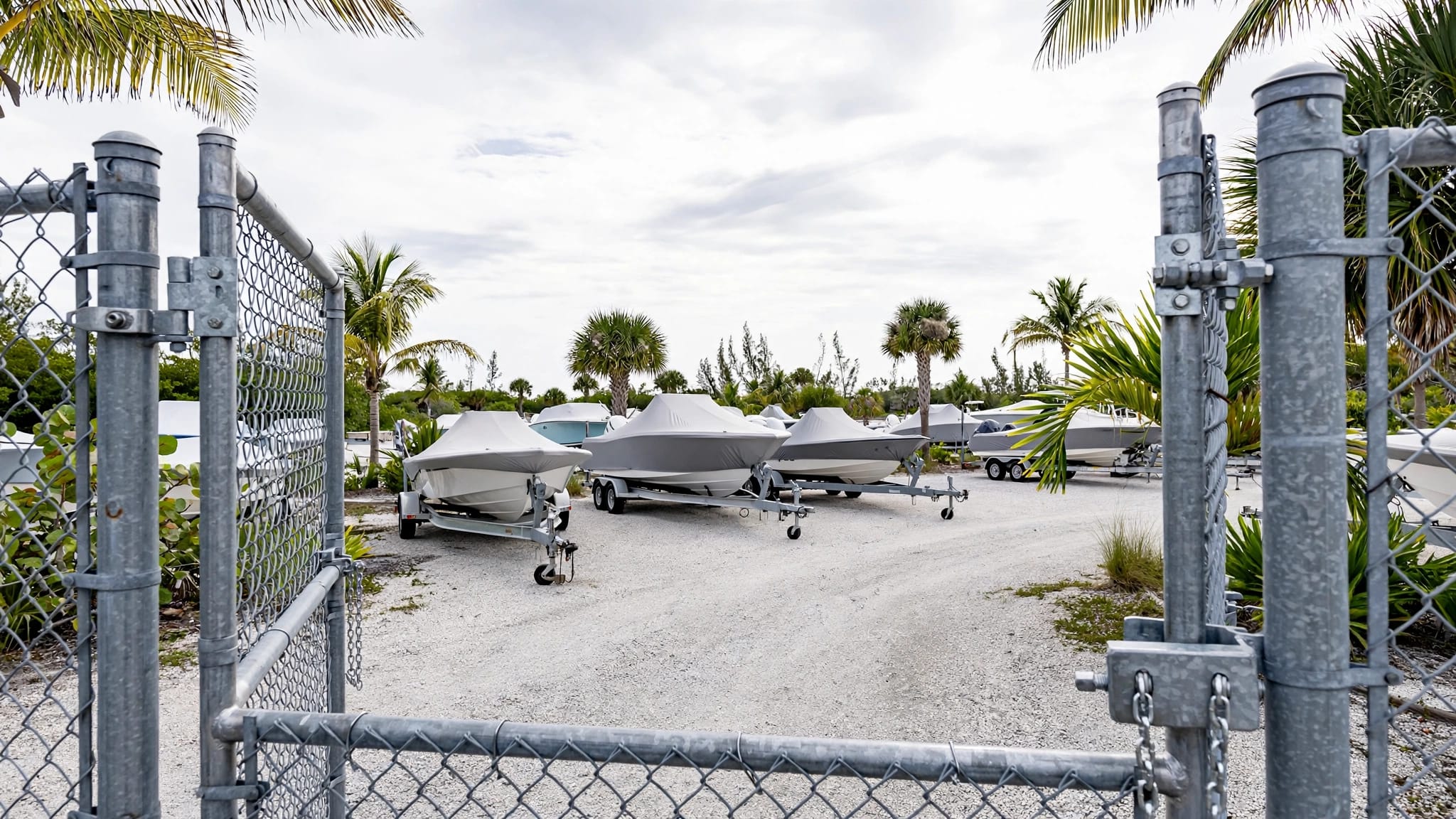
Chain link works on budgets with vinyl slats for semi-privacy. Open mesh vents wind fully, ideal for narrow courtyard runs. Galvanized holds salt better near water, but coated lasts longer. Pros: cheap at $15 to $25 per foot and quick fixes. Cons: plain looks and climb risk without slats.
Wood tempts for warmth, but humidity rots it fast. Cedar resists termites somewhat, yet needs yearly seals. Skip it unless sealed heavily; aluminum mimics the grain without work.
Compare options in this table for courtyard fits:
| Style | Privacy Level | Wind Resistance | Salt/Humidity Fit | Cost per Foot |
|---|---|---|---|---|
| Louvered | High | Excellent | Excellent | $35-50 |
| Aluminum Picket | Medium | Excellent | Excellent | $25-40 |
| Vinyl Privacy | Full | Fair | Good | $28-45 |
| Chain Link | Low-Medium | Best | Fair-Good | $15-25 |
Pick based on your main need, like pool safety or neighbor distance.
Regulations and Lasting Care
Cape Coral caps rear fences at six feet; front at four. Permits need site plans showing gates and pools. Waterfront spots require 75 percent open above three feet. Verify with city, Lee County, and your HOA, as rules shift.
Deepen footings to 42 inches for wind. Use galvanized hardware. For pools, see privacy fence options for Cape Coral pool equipment.
Inspect post-storm. Rinse salt often. These steps keep fences strong for years.
Courtyard homes thrive with fences that prioritize airflow, strength, and privacy. Louvered or aluminum styles lead in our tough weather. They expand small spaces without hassle. Match your setup to local demands, and enjoy the yard worry-free.